
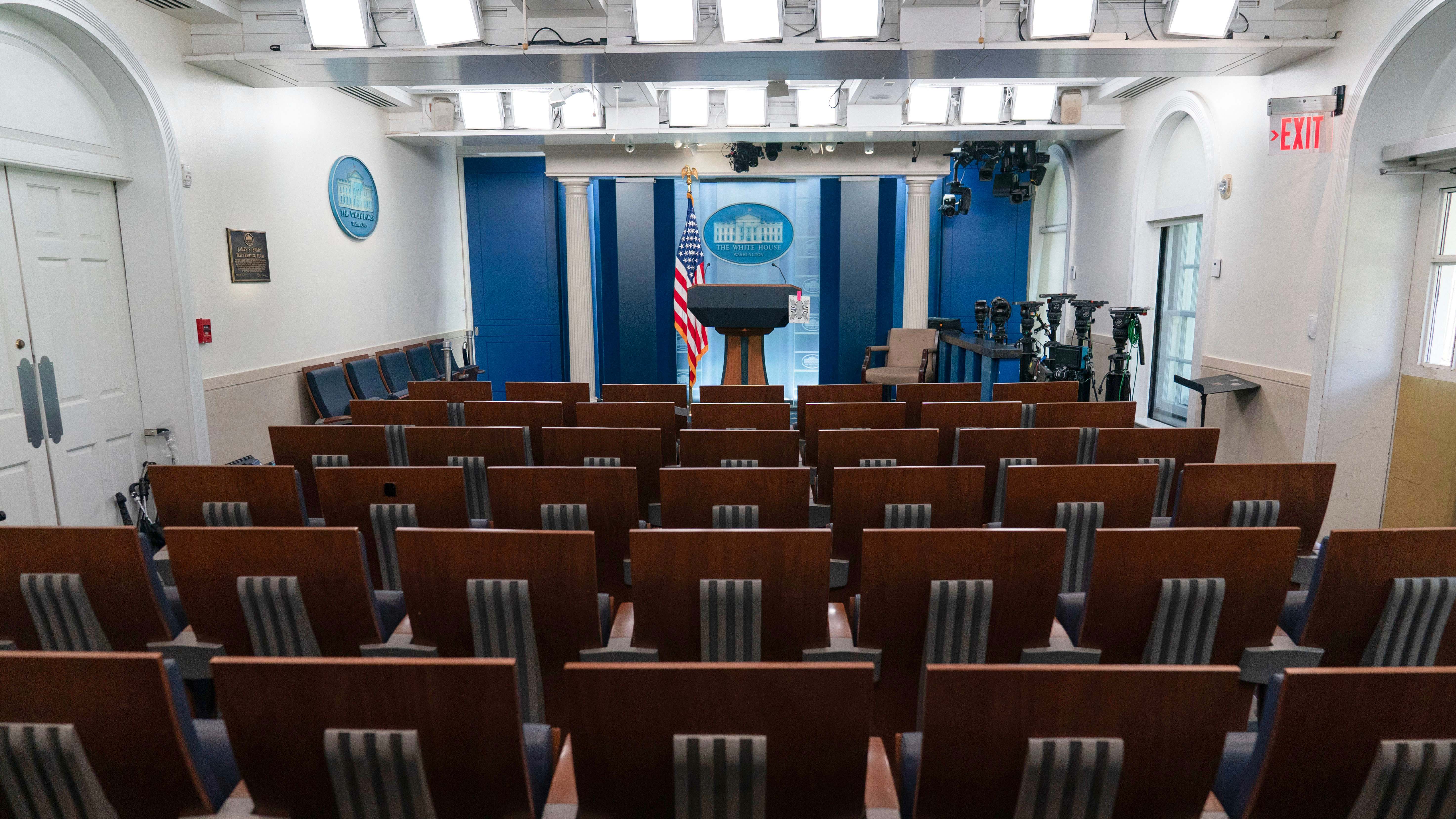
In a significant development that reverberated through the nation's capital, a federal judge has issued a temporary injunction, ordering the White House to restore access to news organizations that had been barred from press briefings and events. This ruling marks a critical moment in the ongoing dialogue between the executive branch and the press, particularly in an era of heightened scrutiny and public discourse.
This decision underscores the vital role of a free and unfettered press in a democratic society. For citizens to remain informed, journalists must have consistent and equitable access to information and to those in power. Azeem USA is committed to exploring the nuances of this ruling and its far-reaching implications for the principles of transparency and accountability.
📑 Table of Contents
1. The Ban: A Challenge to Press Freedom
The controversy ignited when the White House announced its decision to revoke press credentials for reporters from CNN, MS NOW, and Politico. The stated rationale, as articulated by President Trump, was that these outlets "constantly write or report fiction or lies" about his administration. This move, however, was immediately met with strong condemnation from journalistic organizations and civil liberties advocates, who viewed it as a direct assault on the foundational principles of the First Amendment.
Such bans, particularly when perceived as retaliatory or based on the content of reporting, raise serious questions about the government's role in managing access to information. The power to grant or deny access to the White House press corps is a significant one, and its exercise warrants careful consideration of due process and equal treatment. Critics argued that the administration was attempting to control the narrative by silencing critical voices, a tactic that runs counter to the ideals of an open society.
Defining 'Fiction or Lies'
The subjective nature of the administration's justification – labeling reporting as "fiction or lies" – proved to be a central point of contention. In a democracy, the media serves as a crucial check on power, and the ability to report critically, even if the subject disagrees with the portrayal, is essential. The ruling suggests that the court found this justification insufficient to warrant the severe action of revoking press access.
2. The Lawsuit: A Stand for the First Amendment
In response to the ban, the affected news organizations swiftly took legal action, filing a lawsuit against President Trump and several of his top advisers. Their complaint centered on the assertion that the ban violated their First Amendment rights, which protect freedom of the press and prohibit government censorship. The lawsuit argued that barring journalists based on their reporting constituted an unconstitutional restriction on the press's ability to gather and disseminate news.
The legal strategy focused on the principle that the White House, as a public forum for disseminating information, cannot arbitrarily exclude news organizations without a compelling, content-neutral justification. The plaintiffs contended that their reporting was factual and that the ban was punitive, aimed at discouraging critical coverage. This legal battle highlighted the tension between the executive branch's desire to manage its public image and the press's constitutionally protected role.
The Legal Precedent of Media Access
Legal scholars have long debated the extent to which the government can control access to official information and events. While the government certainly has the right to manage its operations, outright bans based on perceived bias or unfavorable coverage are generally viewed with deep suspicion by the courts. The lawsuit aimed to establish that access to the White House press corps is a privilege that, once granted, cannot be revoked without due process and a legitimate, non-discriminatory reason.
3. The Judge's Ruling: Constitutional Concerns Emerge
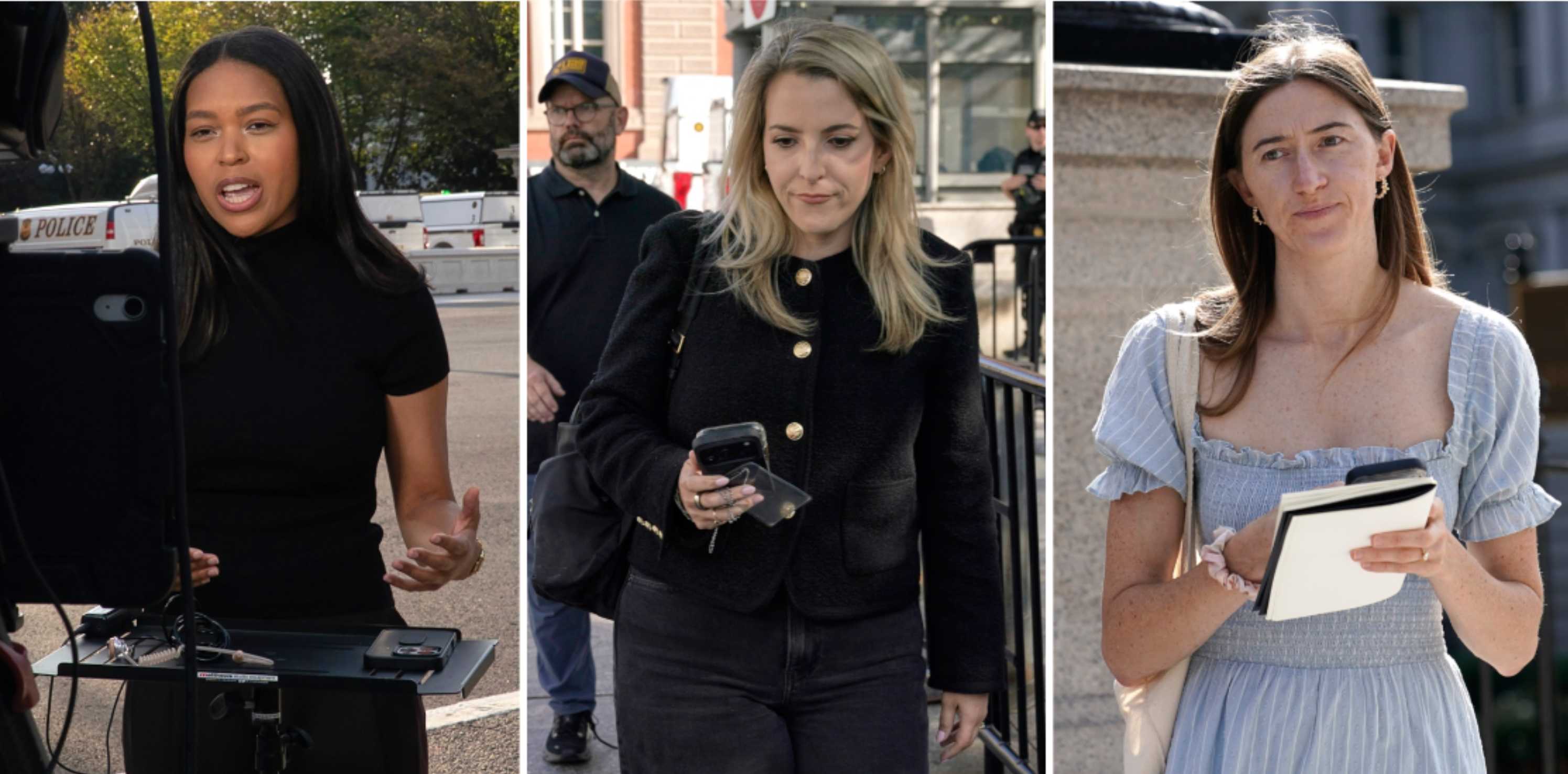
The federal judge's decision to grant a temporary injunction was a significant victory for the news organizations. The court found that the White House ban was likely unconstitutional, citing the First Amendment implications. This preliminary ruling indicated that the judge believed the plaintiffs had presented a strong case that their rights were being infringed upon by the exclusion.
The ruling emphasized that the government cannot selectively silence news organizations it deems critical. The judge's reasoning suggested that the administration's stated reasons for the ban were not sufficient to justify the restriction of press access. This decision serves as a powerful reminder that even the executive branch is subject to constitutional limitations, particularly when it comes to fundamental rights like freedom of the press.
The Importance of Due Process in Access Decisions
A key element of the judge's decision likely revolved around the lack of a clear, established process for revoking press credentials. When access is granted, there is an expectation of fairness and due process. Arbitrary or politically motivated decisions to exclude journalists can undermine public trust and create an uneven playing field for reporting. The court's intervention suggests a need for more transparent and equitable procedures for managing press access.
4. Implications for the White House Press Corps
This ruling has profound implications for the daily operations and the long-term standing of the White House press corps. It reinforces the idea that access to presidential briefings, press conferences, and other official events should be based on journalistic credentials and the role of the media in informing the public, rather than on the perceived favorability of the reporting. The decision could set a precedent, making it more difficult for future administrations to arbitrarily exclude news outlets.
The ruling also underscores the importance of a robust and diverse press. When certain voices are silenced, the public is deprived of a complete picture of events and policy discussions. The ability of journalists to ask tough questions and hold officials accountable is crucial for a healthy democracy, and this decision affirms that right. It signals that the press corps functions as a collective entity, and the exclusion of some members can impact the effectiveness of all.
Maintaining Professional Standards
While this ruling is a win for press freedom, it also highlights the ongoing need for journalists to maintain the highest professional standards. The administration's justification, however flawed, points to public perceptions about media bias and accuracy. Upholding journalistic ethics, rigorous fact-checking, and fair reporting are paramount in building and maintaining public trust, which in turn strengthens the press's position when challenging arbitrary access restrictions.
5. Looking Ahead: The Future of Media Access
The temporary injunction is just one step in what could be a longer legal process. However, the judge's strong initial stance on the likely unconstitutionality of the ban sends a clear message to the White House and other government bodies. It reaffirms that the First Amendment provides crucial protections for the press, even when facing criticism from those in power.
Moving forward, this case will likely be closely watched as it progresses. The ultimate outcome could further clarify the boundaries of presidential power concerning press access and reinforce the enduring importance of a free and independent media. It serves as a vital reminder that the health of our democracy is intrinsically linked to the ability of journalists to report freely and without fear of reprisal for their work.
The Evolving Relationship Between Government and Press
The relationship between the White House and the press has always been dynamic and, at times, contentious. This ruling, however, provides a significant legal bulwark against actions that could stifle reporting. It encourages a future where access is determined by established journalistic standards rather than political expediency, ensuring that the public remains well-informed through a diverse range of credible news sources.
🔥 Stay informed about critical legal and political developments impacting your rights.
Conclusion
The judge's order to restore access for banned news outlets is a significant affirmation of First Amendment principles. It underscores the critical role of a free press in a democratic society and serves as a check against potential overreach by the executive branch in controlling information flow.
As this legal saga unfolds, it highlights the ongoing importance of vigilance in protecting press freedom. The ability of journalists to access information and report without undue interference is not just a professional right, but a public necessity for an informed citizenry and a accountable government.
❓ FAQ
What was the White House ban about?
The White House banned three news organizations (CNN, MS NOW, and Politico) from press briefings and events, citing their reporting as 'fiction or lies'.
Why did the news outlets file a lawsuit?
They filed a lawsuit arguing that the ban violated their First Amendment rights to freedom of the press and that it was an unconstitutional restriction on their ability to gather and report news.
What was the judge's initial ruling?
The judge issued a temporary injunction, blocking the White House ban and ordering access to be restored, stating that the ban was likely unconstitutional.
What does a 'temporary injunction' mean?
A temporary injunction is a court order that requires a party to do or refrain from doing a specific act until a final decision is made in the case. In this instance, it means the ban is paused.
What are the broader implications of this ruling?
The ruling reinforces the importance of press freedom and suggests that the government cannot arbitrarily exclude news organizations based on the content of their reporting. It could set a precedent for future cases involving media access.
Comments
Post a Comment