
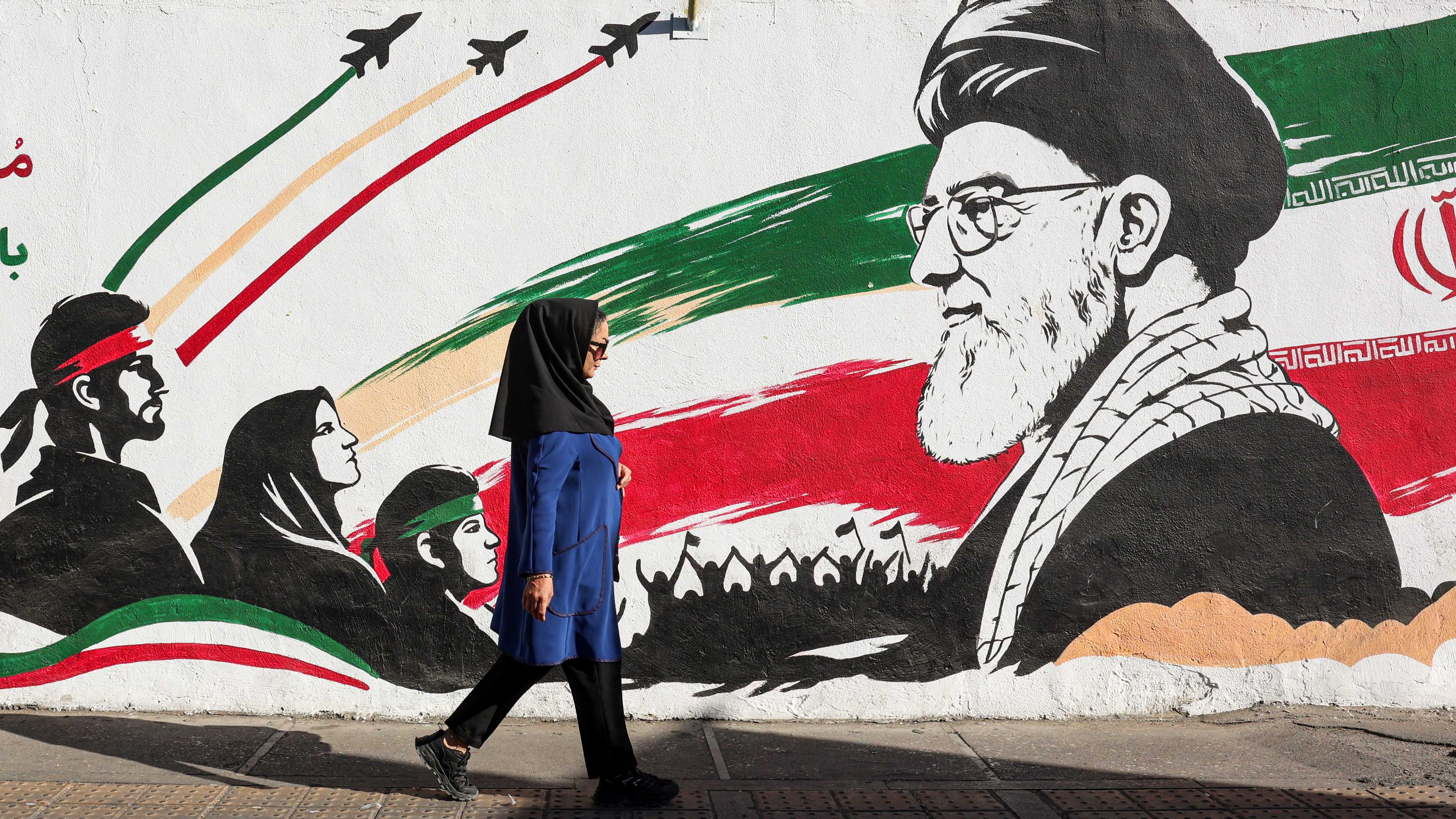
In a move that has captured the attention of the global community, Iran has presented a stark ultimatum to the United States. Iranian Foreign Minister Abbas Araghchi stated that Tehran is prepared for both the resumption of conflict and the possibility of renewed diplomacy, placing the decision squarely in the hands of President Donald Trump. This critical juncture, emerging from a seven-month period of heightened tensions, demands careful analysis of the geopolitical landscape and the potential ramifications for international stability.
At Azeem USA, we delve into the complexities of this delicate situation, examining the factors driving Iran's statement, the US response, and the broader implications for global peace and economic stability. Understanding this pivotal moment is crucial for navigating the future of US-Iran relations and the volatile Middle East.
📑 Table of Contents
1. The Critical Juncture: Iran's Declaration
The recent statement by Iran's Foreign Minister, Abbas Araghchi, marks a significant moment in the protracted standoff between Tehran and Washington. By asserting that Iran is "fully prepared for the war to be resumed" and equally ready for "renewed diplomacy," the Iranian leadership has articulated a dual-track approach. This declaration suggests a strategic calculation, potentially aimed at testing the resolve of the Trump administration while also signaling a potential openness to de-escalation, albeit on Iran's terms.
The timing of this statement, following a period of intense diplomatic maneuvers and military posturing, indicates that Iran may perceive a window of opportunity or a critical decision point. The emphasis on President Trump's agency in choosing the path forward underscores the personalistic nature of foreign policy decisions within the current US administration, highlighting the potential for a direct, albeit high-stakes, interaction.
The Nuances of Iranian Preparedness
Iran's declaration of being prepared for war is not merely rhetorical; it reflects a strategic posture developed over decades of facing international pressure and sanctions. This preparedness encompasses military readiness, including the potential for asymmetric responses, as well as the resilience of its economy and society under duress. Simultaneously, the openness to diplomacy signals a recognition of the immense costs of prolonged conflict and the potential benefits of a negotiated settlement, particularly if it offers a pathway to sanctions relief and normalized international relations.
2. Understanding Iran's Position
Iran's diplomatic overtures, or its perceived willingness to engage, often stem from a complex interplay of internal political dynamics and external pressures. The Iranian government must balance the demands of hardliners who advocate for resistance against perceived foreign interference with the pragmatic needs of an economy severely impacted by sanctions. The proposal for a seven-day ceasefire and phased reopening of critical shipping lanes, such as the Strait of Hormuz, suggests a desire to alleviate economic strain and reduce the immediate risk of military confrontation.
This dual strategy of demonstrating military resolve while extending an olive branch is a common diplomatic tactic designed to achieve maximum leverage. By presenting itself as ready for conflict, Iran seeks to deter aggression and underscore the potential for widespread regional instability should hostilities erupt. Conversely, by offering the prospect of diplomacy, it aims to portray itself as a rational actor seeking peaceful resolution, potentially garnering international sympathy and pressuring the US to reconsider its maximalist stance.
Economic Realities Driving Diplomacy
The severe impact of US sanctions on Iran's economy cannot be overstated. These sanctions have crippled its oil exports, limited access to international finance, and contributed to domestic economic hardship. Consequently, there is a strong incentive for the Iranian leadership to seek a diplomatic resolution that could lead to sanctions relief. The mention of a phased reopening of the Strait of Hormuz, a vital chokepoint for global oil trade, indicates a willingness to negotiate on issues of maritime security, which are intrinsically linked to economic stability.
3. The Trump Administration's Stance

President Trump's response, suggesting that talks with Iran were expected to resume and insisting that the Islamic Republic was "losing badly" and eager for a deal, presents a contrasting perspective. This assertion reflects a core tenet of the Trump administration's foreign policy towards Iran: that maximum pressure through sanctions would force Tehran to capitulate and negotiate a new, more favorable agreement, often referred to as the "Art of the Deal." The President's confidence in Iran's weakened state suggests a belief that the sanctions are achieving their intended effect.
However, the administration's approach has been characterized by a degree of unpredictability. While advocating for a deal, the administration has also maintained a posture of strong deterrence, with military assets deployed in the region. This creates a complex dynamic where diplomatic overtures can be easily overshadowed by escalatory rhetoric or actions, making it challenging to build sustained trust and momentum towards a negotiated settlement. The administration's focus on a perceived Iranian eagerness for a deal might overlook the nuances of Iran's strategic patience and its capacity to withstand prolonged pressure.
The Role of Leverage and Perception
The Trump administration's strategy hinges on the belief that economic and diplomatic isolation will compel Iran to negotiate on US terms. The repeated assertion that Iran is "losing badly" serves to reinforce this narrative both domestically and internationally, projecting an image of American strength and Iranian weakness. This perception management is a key element in the administration's negotiation playbook, aiming to set the stage for a favorable outcome.
4. Navigating the Strait of Hormuz and Economic Pressures
The Strait of Hormuz remains a critical flashpoint with profound global economic implications. Any disruption to shipping in this narrow waterway, through which a significant portion of the world's oil passes, could trigger a sharp increase in energy prices and destabilize global markets. Iran's proposal for its phased reopening, coupled with a ceasefire, directly addresses this concern, signaling a willingness to de-escalate a potential trigger for wider conflict.
The economic pressure exerted by US sanctions has been a primary driver of Iran's current diplomatic posture. The inability to freely export oil, access international banking systems, and attract foreign investment has created significant hardship for the Iranian population and strained the government's resources. This economic vulnerability underscores the urgency for Tehran to find a resolution, making the prospect of renewed diplomacy, potentially leading to sanctions relief, an attractive, albeit challenging, option.
Regional Stability and Global Trade
The stability of the Strait of Hormuz is not just an economic concern but a critical component of regional and global security. Tensions in this waterway have historically been a barometer of the broader US-Iran relationship. A de-escalation in this specific area, therefore, could have positive ripple effects across the region, reducing the immediate risk of military miscalculation and creating a more conducive environment for broader diplomatic engagement. The potential for renewed talks, even if tentative, offers a glimmer of hope for stabilizing this vital maritime passage.
5. The Path Forward: Implications and Analysis
The choice presented by Iran to President Trump is multifaceted, carrying significant implications for the future of international relations, regional security, and global economic stability. If the US opts for continued pressure and confrontation, the risk of escalation, potentially drawing in regional allies and impacting global energy markets, remains high. Such a path could further entrench animosity and make future diplomatic engagement even more difficult.
Conversely, if the US chooses the path of diplomacy, even with the inherent challenges and skepticism, it opens the door to potential de-escalation and the possibility of resolving contentious issues through negotiation. This would require a carefully calibrated approach, acknowledging Iran's concerns while firmly pursuing US interests, and likely involving intricate discussions on issues ranging from nuclear activities to regional security and sanctions relief.
The Azeem USA Perspective: A Call for Strategic Foresight
At Azeem USA, we believe that sustainable peace and stability in the Middle East can only be achieved through robust diplomacy and mutual respect. While the current geopolitical climate is fraught with tension, the overture from Iran, however strategic, presents an opportunity that should not be dismissed lightly. The path of war is destructive and costly for all parties involved. The path of diplomacy, though arduous, offers the potential for lasting solutions and a more secure future for the region and the world.
🔥 Stay informed on critical international relations with Azeem USA.
Conclusion
Iran's declaration that the choice between war and diplomacy rests with President Trump underscores the critical nature of the current geopolitical moment. The dual readiness for conflict and negotiation reflects a complex strategic calculation, driven by economic pressures and the desire to navigate international relations on terms favorable to Tehran.
The response from the Trump administration, emphasizing Iran's perceived weakness, highlights the administration's 'maximum pressure' strategy. However, the potential for renewed talks, however tentative, offers a crucial opportunity to de-escalate tensions, stabilize the vital Strait of Hormuz, and work towards a more peaceful resolution. The decisions made in the coming days and weeks will undoubtedly shape the future trajectory of US-Iran relations and the stability of the broader Middle East.
❓ FAQ
What is Iran's current stance on diplomacy with the US?
Iran's Foreign Minister stated that Tehran is prepared for renewed diplomacy with the US, but the decision rests with President Trump.
What does Iran mean by being prepared for war?
This suggests Iran has military readiness and a strategic posture to respond to potential aggression, while also signaling the potential consequences of conflict.
What is the significance of the Strait of Hormuz in this context?
The Strait of Hormuz is a vital chokepoint for global oil trade. Iran has proposed its phased reopening as part of potential de-escalation efforts.
What has been the US response to Iran's statement?
President Trump indicated that talks with Iran were expected to resume, asserting that Iran is "losing badly" and eager for a deal.
What are the main implications of this situation?
The situation carries implications for global economic stability (especially oil prices), regional security in the Middle East, and the future of international diplomacy with Iran.
Comments
Post a Comment