
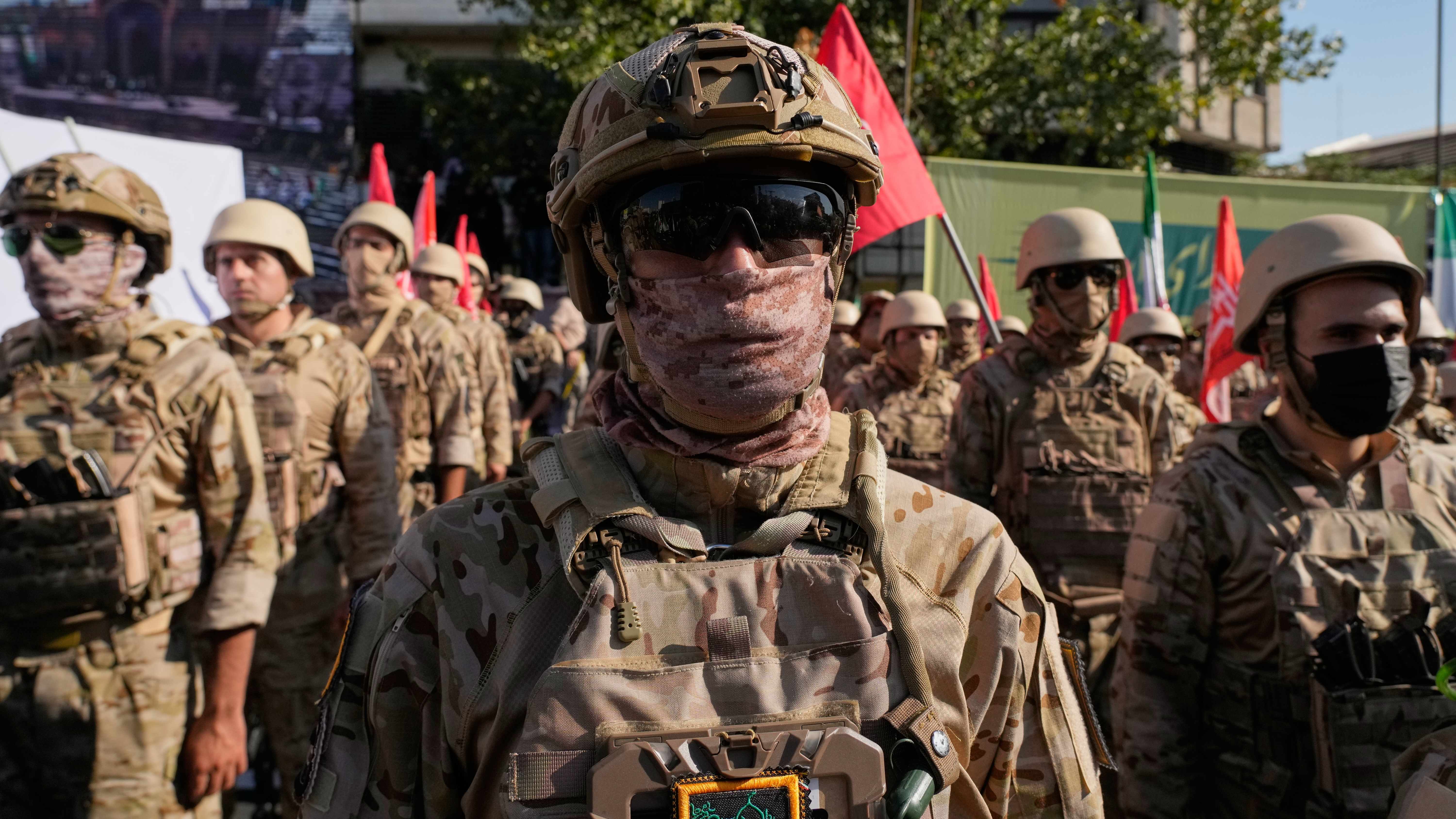
The geopolitical landscape of the Middle East has once again become a flashpoint as tensions between the United States and Iran reach new heights. Following President Donald Trump's recent rhetoric regarding Tehran, the Iranian leadership has responded with a chilling warning of deployment of advanced military capabilities. This development marks a critical juncture where diplomatic maneuvers and military threats collide most directly.
In this in-depth analysis, we deconstruct the implications of Iran's latest threats, the potential for a high-level diplomatic meeting, and what this shifting paradigm means for global security and international energy markets.
📑 Table of Contents
1. The Escalation of Rhetoric: Trump and the Iranian Response
The recent days have seen a sharp increase in verbal posturing between Washington and Tehran. President Donald Trump, known for his policy of maximum pressure, has ramped up his rhetoric against Iran, signaling a firm stance on regional stability. This surge in tone is intended to project strength and demand immediate concessions regarding Iran's nuclear program and regional influence.
However, the response from Iran was swift and assertive. The Islamic Revolutionary Guard Corps (IRGC) issued a statement suggesting that any American aggression would be met with consequences beyond previous expectations. This cycle of escalation highlights the long-standing friction and the lack of direct communication channels between the two powers.
The Mechanics of 'Maximum Pressure'
Trump's strategy often relies on public declarations of threats to force an adversary to the table, but it risks pushing the opponent into a corner where only exits seem to be military provocation.
2. Iran's Warning: New Weapons and Shifting Geography
Hossein Mohebbi, a spokesman for the IRGC, explicitly stated that Iran would use 'new weapons with new capabilities' if the U.S. launches a fresh assault. This is not merely a threat of existing missile technology but a hint at technological advancements that could bypass current defense systems used by the U.S. and allies.
Furthermore, the mention of 'changing the geography of the war' is significant. This suggests that Iran is prepared to expand its operations beyond its immediate borders, potentially utilizing its proxy networks or long-range capabilities to target locations that were previously considered out of reach or strategically protected.
Technological Advancements in Iranian Warfare
While specific details were not provided, analysts believe these 'new weapons' could refer to hypersonic missiles, advanced drone swarms, or enhanced cyber warfare capabilities aimed at infrastructure.
3. The Diplomatic Paradox: Will a Meeting Happen?

Despite the aggressive rhetoric, Trump has indicated he would 'probably' be open to meeting with the Iranian president. This creates a complex diplomatic paradox: one side threatens total conflict while simultaneously leaving the door open for direct negotiation. This 'carrot and stick' approach is a hallmark of Trump's foreign policy style.
For Iran, a meeting represents a double-edged sword. It could offer a path to ease sanctions, but it also risks validating the U.S. demands for policy changes. The internal politics in Tehran are likely divided between those who favor diplomatic engagement and those who advocate for continued resistance.
The Challenges of Direct Negotiation
Direct talks between the U.S. and Iran require a level of trust that is currently non-existent after decades of mutual hostility and military clashes.
4. Strategic Implications for Global Energy and Security
The tension between the U.S. and Iran has immediate consequences for the global economy. The Strait of Hormuz remains a bottleneck through which much of the world's oil passes. Any military conflict would lead to a catastrophic spike in energy prices, potentially triggering a global recession.
Security analysts are also monitoring the movement of naval assets in the region. If Iran decides to deploy the 'new capabilities' mentioned, the strategic balance in the Persian Gulf could be fundamentally altered, forcing allies to rethink their regional defense postures.
Energy Volatility and Market Reaction
Markets are highly sensitive to any news coming from Tehran, making the rhetoric itself as much of a factor as any actual military movement.
5. The Future of Middle East Stability
As we look forward, the stability of the Middle East depends on whether the current rhetoric can translate into a sustainable diplomatic framework. If a meeting occurs, it could de-escalate the situation, or merely expose deeper divisions. However, the introduction of 'new weapons' by Iran adds a layer of uncertainty to the regional security landscape.
The international community is watching closely, as the outcome of this standoff will set a precedent for how global powers handle regional adversaries. The coming months will be decisive in determining whether the region moves toward a path of diplomacy or one of renewed confrontation.
The Role of International Mediators
Countries like Oman and Qatar may play pivotal roles in preventing a full-scale military conflict between the U.S. and Iran.
🔥 Subscribe to Azeem-USA for more in-depth analysis on global geopolitical shifts and security news.
Conclusion
The latest threats from Iran regarding new weapons capabilities underscore the high-stakes game of chess being played globally. While Trump leaves the possibility of diplomacy open, Iran's warning of shifting war geography suggests they are preparing for a worst-case conflict scenario.
The future of the region hinges on whether these powers can find a way to de-escalate without compromising their core strategic interests or national security.
❓ FAQ
Is Trump planning to meet with the Iranian president?
Trump has indicated he would 'probably' be open to a meeting, as part of his de-escalation and maximum pressure strategy.
What are the 'new weapons' Iran is referring to?
The IRGC has not provided specific details, but experts suggest they could be advanced missile technology, drones, or cyber weapons.
What is the risk to global oil prices from this tension?
A conflict could disrupt the Strait of Hormuz, leading to significant increases in energy prices worldwide.
Why is the geography of the war mentioned?
It suggests Iran is prepared to expand its military operations beyond its borders using its proxy networks.
Who is Hossein Mohebbi?
Hossein Mohebbi is a spokesman for Iran's Islamic Revolutionary Guard Corps (IRGC).
Comments
Post a Comment