
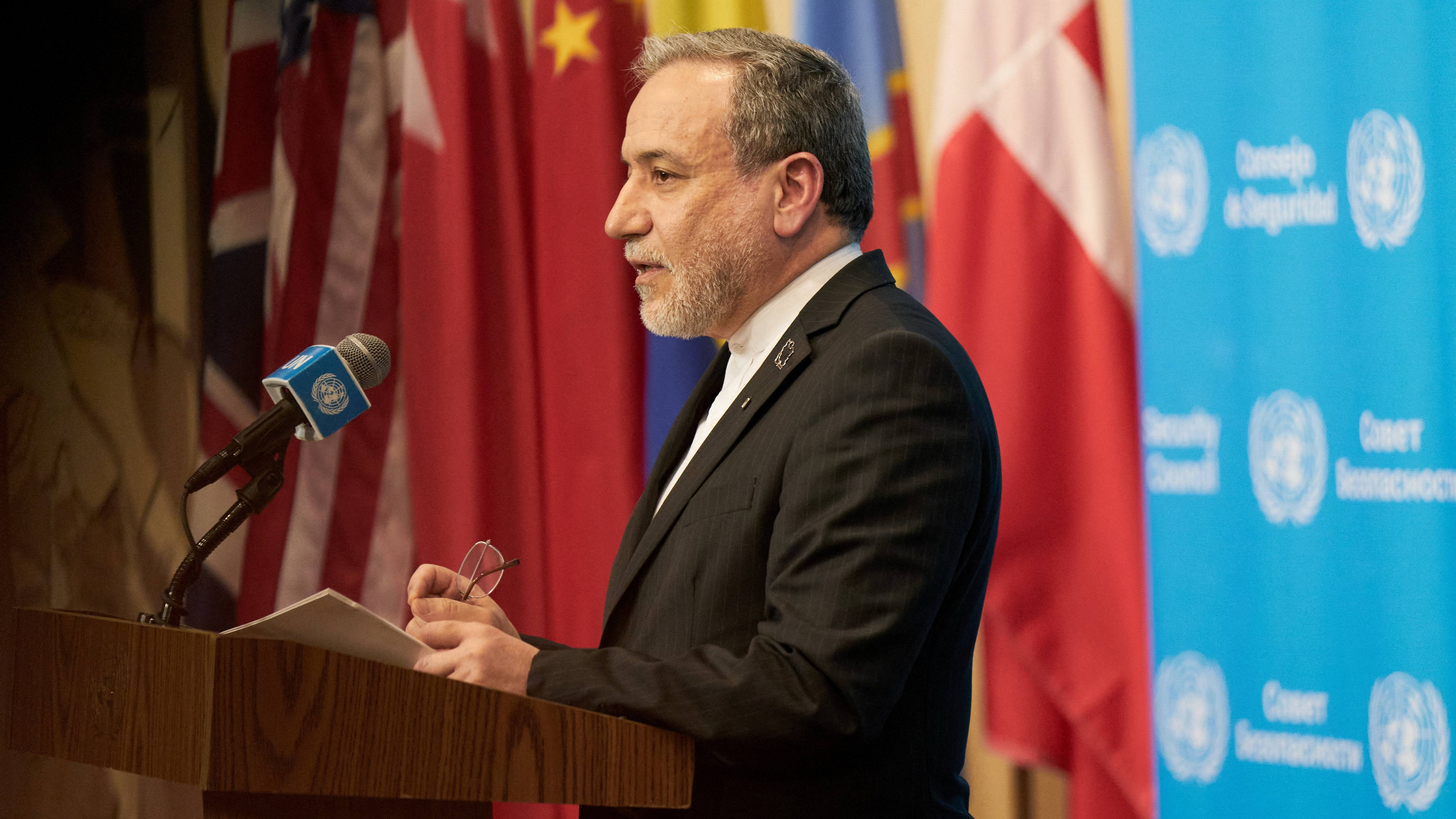
In a world constantly navigating complex international relations, the recent developments between Iran and the United States underscore the persistent challenges in achieving lasting peace. Following a rejection of an Iranian proposal by US President Donald Trump, Iran has firmly reiterated its commitment to a diplomatic solution, emphasizing that dialogue is the only viable path forward.
This stance highlights a critical juncture, where the potential for escalation looms, yet a window for negotiation remains open. Azeem USA delves into the intricacies of this diplomatic standoff, exploring Iran's conditions, the US response, and the broader implications for regional and global stability.
📑 Table of Contents
1. The Latest Standoff: Iran's Diplomatic Push
The recent exchange between Iran and the United States has once again brought the spotlight onto the tense geopolitical dynamics in the Middle East. Iran, through its Foreign Minister Abbas Araqchi, has clearly articulated its position: a diplomatic solution is not just preferable, but essential. This assertion comes after US President Donald Trump reportedly rejected a peace plan put forth by Tehran, a plan that reportedly included provisions related to the vital Strait of Hormuz.
Araqchi's statement, made via social media, served as a direct response, framing the current impasse as one that can only be resolved through negotiation. The insistence on diplomacy suggests a strategic choice by Iran to avoid further military confrontation, while simultaneously signaling that its willingness to engage is contingent on specific preconditions being met. This approach seeks to leverage international pressure and the inherent risks of conflict to achieve its objectives.
The Role of Social Media in Diplomacy
The use of social media platforms by high-ranking officials like Foreign Minister Araqchi signifies a modern shift in diplomatic communication. It allows for rapid dissemination of messages, direct engagement with a global audience, and the ability to shape narratives in real-time, bypassing traditional, often slower, diplomatic channels.
2. Examining Iran's Conditions for the Strait of Hormuz
A central element of the recent developments appears to be Iran's conditions concerning the Strait of Hormuz, a critical chokepoint for global oil trade. Iran has made it clear that any moves towards reopening or ensuring passage through this waterway are directly tied to the fulfillment of its stated conditions. While the exact nature of these conditions has not been fully detailed in the public domain, their linkage to the Strait of Hormuz suggests a strategic leverage point for Tehran.
The implication is that Iran views the security and operational status of the Strait as intrinsically linked to broader geopolitical agreements and the lifting of sanctions. By conditioning actions related to the Strait on the meeting of its terms, Iran aims to compel the United States and its allies to engage in substantive negotiations that address its core concerns, potentially including its nuclear program and economic pressures.
Understanding the Strategic Importance of Hormuz
The Strait of Hormuz is a narrow waterway, approximately 21 nautical miles wide at its narrowest point, separating the Persian Gulf from the Gulf of Oman. Its strategic significance cannot be overstated, as roughly one-fifth of global oil supply passes through it daily. Any disruption or threat to this passage has immediate and far-reaching consequences for the global economy.
3. US Rejection and the Implications for Negotiation

President Donald Trump's reported rejection of Iran's peace proposal signals a significant hurdle in the path toward de-escalation. The US stance, characterized by a firm refusal, suggests a divergence in perceived national interests and a lack of trust in Iran's current intentions or proposals. This rejection can be interpreted in several ways: it might indicate that the US deems Iran's conditions unacceptable, that it prefers a different approach to negotiation, or that it continues to prioritize maximum pressure tactics.
The implications of this rejection are profound. It potentially pushes the parties further away from a negotiated settlement and increases the risk of miscalculation or unintended escalation. For Iran, it likely reinforces its narrative of facing an intransigent adversary, while for the US, it may be seen as a necessary response to perceived provocations or a lack of genuine commitment from Tehran. This dynamic creates a challenging environment for any future diplomatic overtures.
The Stalemate Effect
When one party rejects a proposal outright without offering counter-conditions or a clear alternative path for dialogue, it can lead to a diplomatic stalemate. This situation leaves both sides entrenched in their positions, making it more difficult to find common ground and increasing the likelihood that tensions will continue to simmer or even boil over.
4. The Broader Geopolitical Landscape
The direct dispute between Iran and the United States does not occur in a vacuum. It is intricately woven into the complex tapestry of Middle Eastern geopolitics, involving regional powers like Israel, Saudi Arabia, and the ongoing proxy conflicts that characterize the region. Iran's insistence on diplomacy, even in the face of rejection, can be seen as an attempt to navigate these complex relationships and to garner international sympathy or support.
Furthermore, the involvement of Israel, mentioned as a party to the conflict in the source snippet, adds another layer of complexity. Iran's perception of threats from both the US and Israel influences its strategic calculus. Therefore, any diplomatic solution would likely need to address not only bilateral US-Iran issues but also the broader regional security architecture, including Iran's nuclear program, its ballistic missile development, and its support for regional militias.
Regional Alliances and Tensions
The United States maintains strong alliances with several countries in the region, including Israel and Saudi Arabia, who often view Iran's regional activities with deep concern. These alliances create a delicate balance of power, where actions taken by one party can have ripple effects across multiple states, influencing regional stability and the dynamics of potential conflict or cooperation.
5. Pathways to De-escalation and Future Outlook
Despite the current impasse, Iran's continued emphasis on a diplomatic solution suggests that the door to negotiation is not entirely closed. The path forward likely requires a shift in approach from both sides. For the United States, this might involve exploring alternative diplomatic channels, engaging in more direct communication, or reconsidering the efficacy of maximum pressure tactics in achieving desired outcomes.
For Iran, demonstrating a tangible commitment to de-escalation beyond rhetorical statements will be crucial. This could involve verifiable actions related to its nuclear activities or regional behavior that build confidence and create a more conducive environment for dialogue. Ultimately, sustained and genuine diplomacy, potentially facilitated by neutral third parties, offers the most promising avenue for resolving the current deadlock and preventing further conflict.
The Imperative of Communication
In high-stakes international relations, consistent and clear communication is paramount. Even when disagreements are deep, maintaining channels for dialogue can prevent misunderstandings, manage expectations, and provide opportunities for de-escalation. The current situation underscores the enduring need for effective diplomacy in navigating global challenges.
🔥 Stay informed on critical global affairs and diplomatic developments by visiting Azeem USA.
Conclusion
The recent rejection of Iran's peace proposal by President Trump has intensified the diplomatic standoff, yet Iran's unwavering insistence on a negotiated solution remains a significant factor. The focus on the Strait of Hormuz highlights the critical strategic interests at play, while the broader geopolitical context underscores the complexity of achieving lasting peace in the region.
As the situation evolves, the international community will be watching closely to see if dialogue can prevail over confrontation. The commitment to diplomacy, however challenging, represents the most responsible and forward-thinking approach to de-escalating tensions and fostering a more stable future for all involved.
❓ FAQ
What was Iran's primary message after its peace plan was rejected?
Iran insisted that only diplomacy can solve its conflict with the United States and Israel, emphasizing that a negotiated solution is necessary to overcome the current deadlock.
What role does the Strait of Hormuz play in this situation?
Iran linked any move towards reopening or ensuring passage through the Strait of Hormuz to the fulfillment of its specific conditions, highlighting its strategic importance as a global oil chokepoint.
Why might the US have rejected Iran's peace plan?
The reasons for rejection can vary, including the US deeming Iran's conditions unacceptable, preferring a different negotiation strategy, or continuing with a policy of maximum pressure.
How does regional geopolitics influence this standoff?
The conflict is intertwined with broader Middle Eastern dynamics, involving regional powers like Israel and Saudi Arabia, and complex issues such as Iran's nuclear program and regional influence.
What is the outlook for a diplomatic solution?
While the current situation presents challenges, Iran's continued emphasis on diplomacy suggests a potential pathway remains open. Progress will likely depend on reciprocal steps towards de-escalation and confidence-building from both sides.
Comments
Post a Comment