Breaking: FBI Probes Suspicious Mail Targeting Senate, Election Offices 🚨 Breaking News Analysis 📸 Image Credit: yahoo.com By Azeem-USA · Thu Oct 15 2026 English (en-US) Federal authorities are scrambling to identify the source of hazardous mailings targeting Senate offices and election facilities nationwide, prompting an urgent investigation and warnings to recipients to treat all mail as potentially dangerous. This developing situation, disclosed Thursday, involves the FBI, U.S. Postal Inspection Service, and U.S. Capitol Police. The analysis below will break down the known facts, assess the immediate implications, and outline the critical next steps. 📑 Table of Contents The Threat Emerges: Suspicious Mailings Discovered Law Enforcement Mobilizes: A Coordinated Response Why This Matters: Undermining Democracy and Public Trust The Stakes: Public Health and Election Integrity What Happens Next: Vigilance and Investigation FAQ #Azeem_USA #Br...

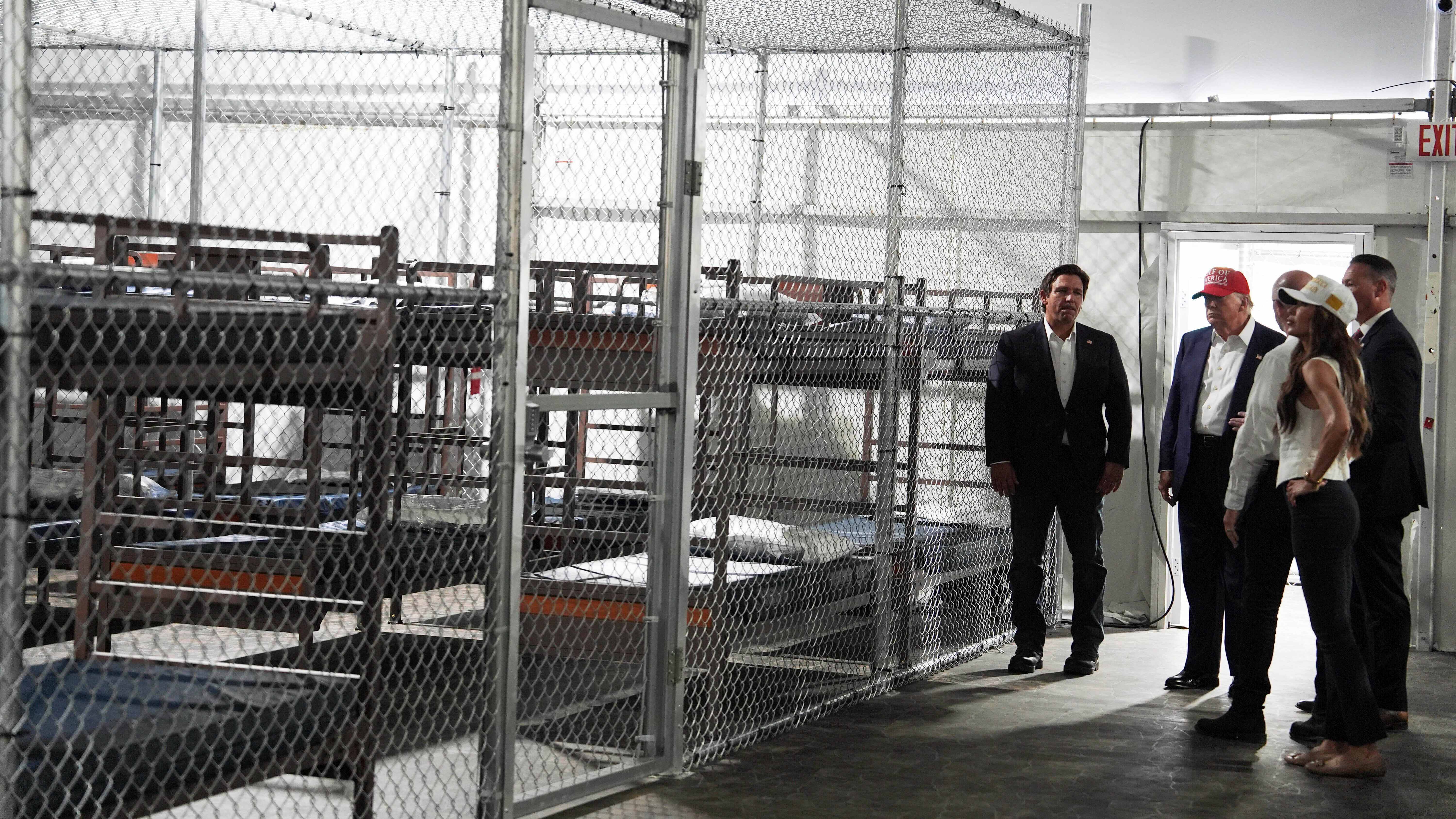
In a move that raises serious questions about fiscal responsibility and strategic planning, a recent watchdog investigation has uncovered significant financial waste within U.S. Immigration and Customs Enforcement (ICE). The agency's ambitious and rapid push to expand its detention capacity has resulted in millions of dollars being spent on facilities that are now slated for sale, highlighting a critical failure in oversight and execution.
This report delves into the findings of the watchdog, examining the scale of the spending, the rationale behind the rapid acquisition, and the ultimate consequences of this ill-fated initiative. We will explore what this means for government accountability and the future of immigration enforcement infrastructure.
📑 Table of Contents
1. The Rapid Expansion Initiative
The impetus behind ICE's swift expansion of detention capacity appears to have been driven by a perceived need to accommodate a fluctuating population of individuals in immigration proceedings. Federal spending records indicate a dramatic acceleration in financial activity, particularly in January of the reporting period. This rapid mobilization suggests an urgent operational imperative, though the efficacy and foresight of such a compressed timeline are now under scrutiny.
The agency's strategy involved acquiring existing structures, primarily warehouses, with the intent of converting them into large-scale detention centers, or 'megacenters'. This approach aimed to bypass the lengthy process of constructing new facilities, opting instead for a quicker, albeit seemingly less scrutinized, method of securing operational space.
The Strategic Rationale
While the exact strategic drivers remain subject to analysis, the overarching goal was likely to increase ICE's operational flexibility and capacity to detain individuals awaiting immigration court proceedings or removal. The rapid deployment of funds suggests a top-down directive to address perceived capacity shortfalls with immediate effect.
2. Unprecedented Spending Spree
The scale of spending during this period was extraordinary. Federal records reveal that on a single day in January, ICE expended more funds than on any other day during either of President Trump's terms. This concentrated burst of expenditure underscores the urgency with which the agency pursued its expansion goals. The funds were channeled through complex financial mechanisms, with billions advanced to entities like Chicago Title Insurance in escrow for the acquisition of detention facilities.
The watchdog's findings indicate that ICE utilized a substantial portion of these funds – $1.07 billion – to purchase eleven warehouses. These properties were earmarked for conversion into the aforementioned detention megacenters. This significant investment in real estate, intended to bolster detention infrastructure, has now come under intense review due to the subsequent decisions made by the agency.
Financial Channels and Escrow Accounts
The use of escrow services and title insurance companies highlights the transactional nature of these acquisitions. The advancement of billions to such firms signifies a commitment to securing these assets rapidly. However, the subsequent realization that many of these acquisitions were imprudent raises critical questions about the due diligence performed prior to such substantial financial commitments.
3. The Abandoned Megacenters

The most striking revelation from the watchdog's report is that seven out of the eleven acquired warehouses are now slated for sale. This means a significant portion of the taxpayer money allocated and spent for their acquisition and intended conversion has been effectively wasted. The agency's decision to abandon these plans after committing substantial resources points to a severe miscalculation in assessing the need for, or the viability of, these facilities.
The remaining funds, after the initial acquisitions, reportedly sat with the financial firm for months as ICE grappled with its abandoned strategy. This prolonged holding of funds, coupled with the eventual decision to divest from most of the acquired properties, paints a picture of inefficient resource management and a lack of clear, long-term planning. The core objective of rapidly expanding detention capacity through these specific acquisitions appears to have been fundamentally flawed.
The Cost of Abandonment
The financial implications of abandoning these planned megacenters are substantial. Beyond the initial purchase price, there are likely costs associated with the holding of the properties, potential resale losses, and the administrative overhead of managing these now-unwanted assets. This situation represents a significant drain on public funds that could have been allocated to more effective or necessary programs.
4. Accountability and Oversight Gaps
The watchdog's findings inevitably lead to a discussion about accountability and the effectiveness of oversight mechanisms within government agencies like ICE and its parent department, Homeland Security. The rapid deployment of billions of dollars with such a high rate of subsequent abandonment suggests a breakdown in the processes designed to ensure responsible spending and strategic execution.
Key questions arise regarding who authorized such large-scale, rapid acquisitions, what risk assessments were conducted, and why these critical flaws were not identified before the significant financial commitments were made. The sheer volume of money involved and the subsequent decision to divest from the majority of the assets underscore a potential failure in both internal controls and external oversight. The report implies that ICE may have acted with insufficient diligence or foresight.
The Role of the Watchdog
The investigation by the watchdog serves as a crucial mechanism for identifying such financial improprieties and strategic missteps. Its findings are vital for informing policymakers, holding agencies accountable, and preventing similar wasteful expenditures in the future. The report's detailed examination of spending records and agency decisions provides a necessary, albeit concerning, look into the operational and financial conduct of ICE.
5. Implications for Future Policy
This incident serves as a stark warning regarding the potential pitfalls of rapid, large-scale government procurement, especially in sensitive areas like immigration detention. The millions, and potentially billions, of dollars wasted highlight the critical need for robust planning, thorough due diligence, and effective oversight before committing public funds to major infrastructure projects or acquisitions.
Moving forward, policymakers and agency leaders must prioritize strategic foresight over immediate expediency. A more measured and transparent approach to expanding detention capacity, or any significant governmental undertaking, is essential to ensure taxpayer money is used effectively and responsibly. This event underscores the importance of continuous evaluation and adaptation in policy implementation to avoid repeating such costly errors.
Lessons Learned and Future Preparedness
The ICE detention capacity blunder offers valuable lessons for all government agencies involved in large-scale resource allocation. It emphasizes the need for multi-stage review processes, independent impact assessments, and contingency planning. Ensuring that any future expansion or changes in infrastructure are based on sound, long-term projections, rather than reactive measures, will be paramount to fiscal integrity and operational success.
🔥 Stay informed on government accountability and policy decisions impacting your community.
Conclusion
The recent findings regarding ICE's wasteful spending on detention capacity expansion are a significant concern. The agency's rapid push resulted in the acquisition of numerous facilities, only for a majority to be deemed surplus and slated for sale, effectively squandering millions of taxpayer dollars. This episode underscores critical failures in planning, oversight, and fiscal responsibility.
As we look ahead, it is imperative that government agencies, including ICE, learn from these costly mistakes. A commitment to rigorous due diligence, strategic foresight, and transparent accountability must guide all future decisions, particularly those involving substantial public investment. The efficient and responsible use of funds is not just a matter of good governance, but a fundamental requirement for maintaining public trust.
❓ FAQ
What did the watchdog report find regarding ICE's spending?
The watchdog found that ICE wasted millions of dollars in a rapid push to expand detention capacity, acquiring facilities that it now plans to sell.
How much money was involved in the acquisition of these facilities?
ICE used $1.07 billion to purchase 11 warehouses intended for conversion into detention megacenters.
What happened to the acquired facilities?
ICE now plans to sell seven out of the eleven acquired warehouses, indicating a failure in the original expansion plan.
When did this spending spree occur?
A significant portion of the spending occurred rapidly, with federal records showing ICE spent more on a single day in January than on any other day during President Trump's terms.
What are the implications of this report?
The report highlights potential failures in government oversight, fiscal responsibility, and strategic planning, raising questions about how public funds are managed.
Comments
Post a Comment