
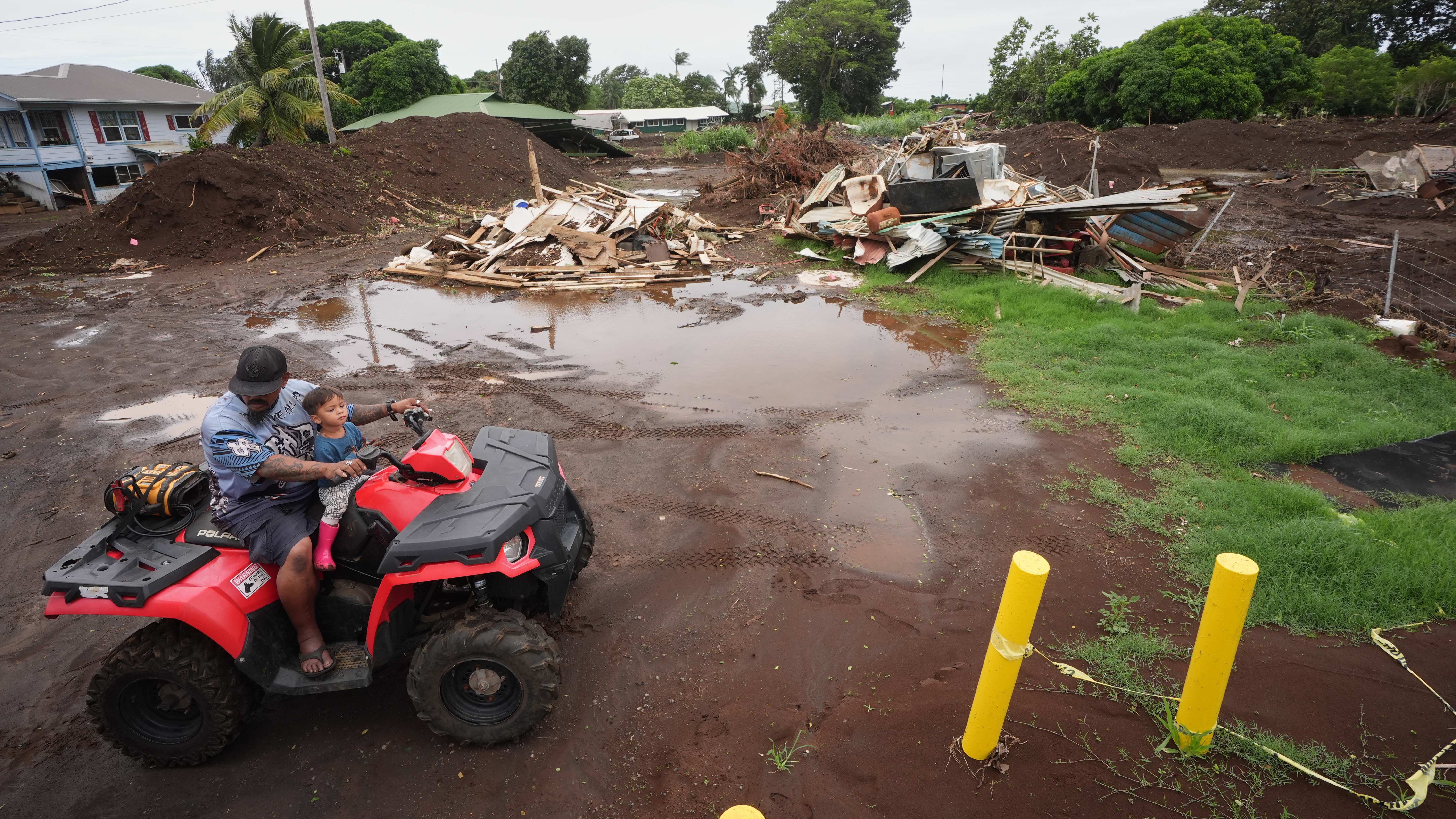
The Pacific basin is currently witnessing a volatile meteorological period as two significant tropical systems challenge different regions. While one storm begins its retreat from the Hawaiian Islands, another is intensifying into a major hurricane heading toward the western coast of Mexico.
In this comprehensive guide, we provide a detailed analysis of the trajectory of Hurricane Nolo and the devastating potential of Hurricane Polo, helping you understand the risks currently associated with these extreme weather events.
📑 Table of Contents
1. The Lingering Threat in Hawaii
Hurricane Nolo has officially begun moving away from the Hawaiian Islands as of Sunday. However, the departure of the center of the storm does not mean the danger has passed. Local authorities in Hilo and surrounding areas are still dealing with the remnants of the system, which continues to disrupt daily life.
The primary concern for residents at this stage is the persistence of heavy rainfall. Because the ground is already saturated from previous storm systems, any additional moisture from Nolo leads to immediate flash flooding and potential landslides in mountainous terrain.
Flash Flooding and Soil Stability
Meteorologists warn that even as the winds subside, the hydrological impact remains high. Residents are advised to stay vigilant and monitor local weather alerts as the storm moves further southwest into the Pacific.
2. Baja Peninsula Braces for Hurricane Polo
While Hawaii looks toward recovery, Mexico's Baja Peninsula is facing a much more dire scenario. Hurricane Polo is described as a powerful force that has already lashed parts of the southwest coast with intense winds and torrential rain, serving as a harbinger of what is to come.
Emergency services in Mexico are working at high capacity to prepare for a major landfall. The sheer speed and direction of the storm suggest that the window for securing property is closing rapidly for coastal communities in the projected path.
Infrastructure Vulnerability
The unique geography of the Baja Peninsula makes it particularly susceptible to storm surges. Coastal infrastructure, including power grids and transportation routes, faces extreme risk from the 125 mph winds forecasted.
3. The Intensity of Category 3 Polo

The U.S. National Hurricane Center in Miami has classified Polo as a dangerous Category 3 hurricane. With top sustained winds reaching 125 mph (205 kph), this storm falls into the major hurricane category, capable of causing catastrophic structural damage to well-built structures.
Category 3 storms are characterized by their ability to uproot trees and cause widespread power outages. The atmospheric pressure drop at the center of Polo is significantly low, contributing to a more violent storm surge as it approaches the Mexican coastline.
The Saffir-Simpson Scale Implications
Understanding the Saffir-Simpson scale is vital for public safety. At Category 3, major roofs will be damaged, and most trees will lose large branches.
4. Meteorological Patterns and Climate Impact
The simultaneous activity of Nolo and Polo highlights the broader trends in tropical cyclone activity this season. Warm sea surface temperatures in the Pacific are providing the necessary fuel for these systems to maintain and even intensify their strength despite atmospheric shear.
Climate scientists are studying how these storms interact with larger-scale atmospheric steering currents. The speed at which Nolo is moving away suggests a shift in high-pressure ridges that may also be steering Polo toward the Baja landmass.
Ocean Heat Content Analysis
The thermal energy stored in the ocean is a primary driver for hurricane intensification. High ocean heat content is what allowed Polo to reach Category 3 status.
5. Emergency Preparedness and Future Outlook
As these storms evolve, the message remains clear: preparedness is the only effective defense against disaster. For Hawaii, this means post-storm recovery and monitoring. For Baja, it means immediate evacuation for those in high-risk coastal zones.
Looking forward, the weather forecast for Polo remains critical as it makes landfall. The data gathered from this event will be invaluable for future modeling in the Pacific basin, potentially saving lives through better early-warning systems.
Long-term Resilience
Maintaining communication lines between emergency services and citizens is the most critical factor during a Category 3 hurricane landfall event.
🔥 Subscribe to Azeem-USA for the latest emergency weather alerts and global news analysis.
Conclusion
In summary, while Hurricane Nolo is receding from Hawaii, the threat of flooding remains a serious concern. Meanwhile, the Baja Peninsula faces a major Category 3 threat in Hurricane Polo, requiring urgent action.
We will continue to monitor these systems and provide updates as the situation evolves in the Pacific.
❓ FAQ
Is Hurricane Nolo still hitting Hawaii?
Nolo is moving away from the islands, but heavy rain and flash flooding risks persist in some areas.
What category is Hurricane Polo?
Polo is currently a Category 3 hurricane with sustained winds of 125 mph.
Where is Hurricane Polo expected to hit?
Polo is bracing to hit the Baja Peninsula in Mexico.
What are the main dangers of Nolo in Hawaii?
The main dangers are heavy rain, flash flooding, and lingering strong winds.
Is NOAA tracking these storms?
Yes, the U.S. National Hurricane Center is monitoring both systems.
Comments
Post a Comment