Breaking: Trump's Latest White House Media Ban Faces Legal Scrutiny 🚨 Breaking News Analysis 📸 Image Credit: usatoday.com By Azeem-USA · Fri Sep 18 2026 English (en-US) President Donald Trump announced a sweeping ban on reporters from CNN, MS NOW, and Politico from covering White House events on September 18th, citing their reporting as "FAKE NEWS." This move immediately reignites a contentious debate over press access and the First Amendment, with significant legal questions hanging over the administration's authority. This analysis dissects the legal standing of such bans, drawing on historical precedents and examining the potential ramifications for the press and the public's right to information. We will explore the legal landscape, the 'why it matters' context, reactions from key players, and what the immediate future may hold. 📑 Table of Contents The New Ban: What Happened and When Legal Precedents: A Thorn...
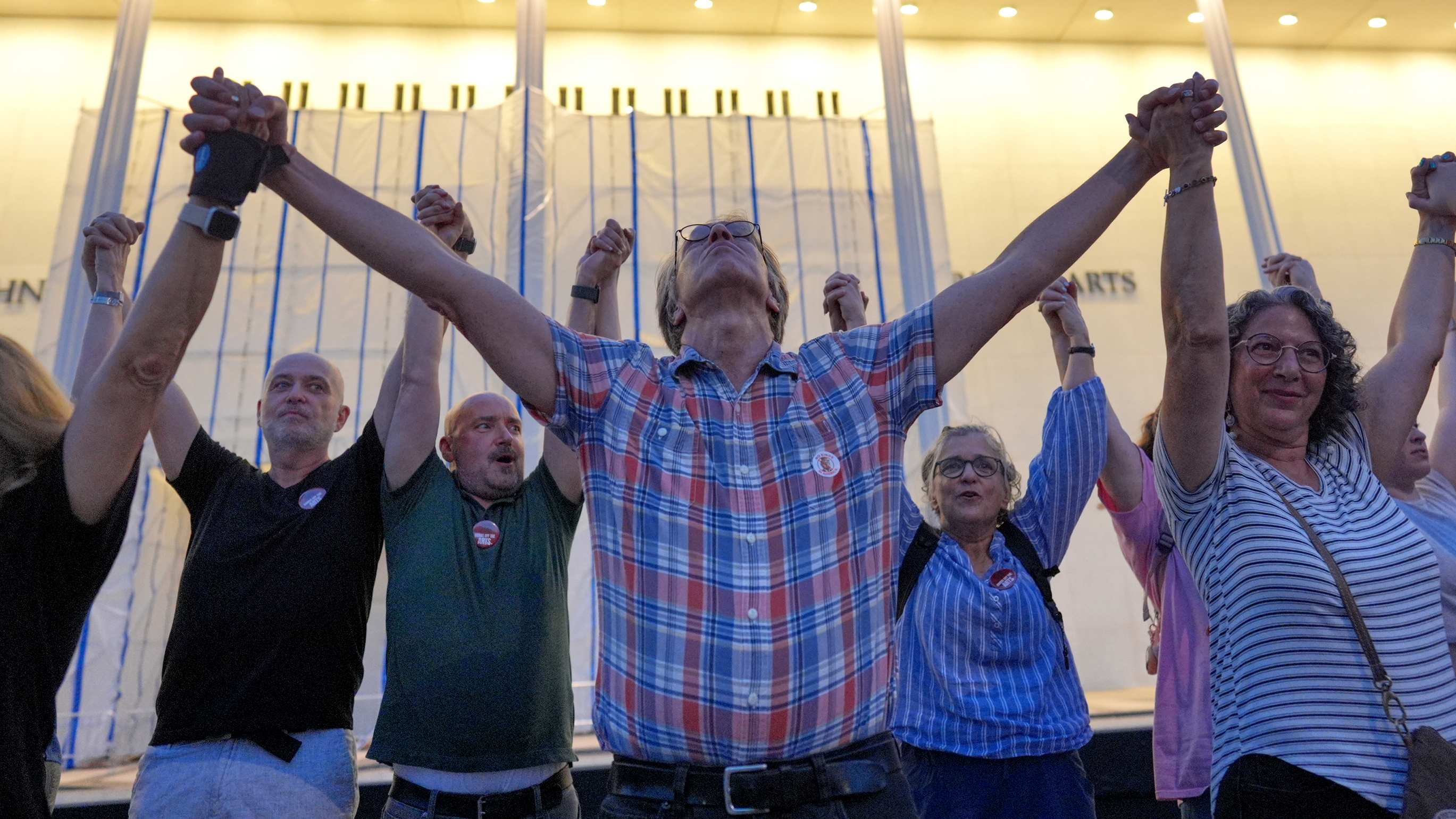
The streets of Washington D.C. turned electric this Friday night as hundreds of activists converged upon the John F. Kennedy Center. This was no ordinary political gathering; it was a high-stakes defense of one of America's most hallowed cultural landmarks.
In this in-depth analysis, we explore the details of the human chain protest, the escalating tensions with the administration, and what this means for the independence of national cultural institutions.
📑 Table of Contents
1. The Standoff at the Kennedy Center
Activists gathered at the Kennedy Center on Friday night to voice their opposition to President Donald Trump's recent rhetoric regarding the venue. The atmosphere was tense yet determined as protesters linked hands, creating a physical barrier around the facility. This direct action serves as a visceral response to threats that the administration might close or even demolish the presidential memorial.
The crowd included artists, historians, and concerned citizens who view the center as a legacy of the Kennedy family. By forming a human chain, the protesters signaled that the center is not merely a building but a symbol of national identity that must be shielded from political volatility.
A Demand for Immediate Removal
The primary demand of the assembly was the immediate removal of Trump as chairman, citing a fundamental failure to protect and manage the institution without perceived political interference.
2. The Roots of the Leadership Conflict
The conflict did not emerge overnight. It stems from a series of administrative actions that began last year when Trump installed himself as the chairman of the Kennedy Center. This move followed the controversial removal of previous leadership and the subsequent replacement of board members with his own personal appointees, leading to concerns about the shift in the center's artistic mission.
Critics argue that these appointments were an attempt to politicize a space that is intended to be non-partisan. The removal of established leadership created deep fractures within the arts community, who feared the professional integrity of the venue was being compromised for political leverage.
The Shift in Board Composition
The replacement of the board with presidential appointees has been viewed by many as a move to bypass traditional oversight mechanisms within national cultural centers.
3. Symbolism of the Human Chain

Using a human chain is a classic tactic used globally to demonstrate unity. In the context of the Kennedy Center, it represents the 'unbreakable link' between the public and their cultural heritage. By physically occupying the space, the protesters made it clear that any attempt to demolish or dismantle the center would face significant civil and social resistance.
The visual of hundreds of people standing against the backdrop of the memorial provided a powerful image for media outlets worldwide. It highlighted the growing divide between the executive branch's vision of control and the public's desire for preservation and artistic freedom.
Cultural Resistance to Political Erasure
The physical presence of the protesters serves as a reminder that public institutions belong to the people, not the sitting office.
4. Broader Implications for Institutions
The situation at the Kennedy Center is a microcosm of a larger struggle regarding the autonomy of national institutions. When a leader threatens the demolition or takeover of a memorial, it raises questions about the legal protections afforded to cultural sites. This case could set a precedent for other federal museums, theaters, and memorials across the country.
Legal and political experts are currently debating the extent of the president's power over these specific entities. If the Kennedy Center can be targeted through executive decree or administrative shifts, the security of every state-funded or federally-supported cultural institution may be at risk.
The Fight for Institutional Autonomy
This conflict forces a reevaluation of how we protect our cultural landscape from the whims of changing political administrations.
5. The Future of the Presidential Memorial
Moving forward, the status of the Kennedy Center remains uncertain. While the human chain protest showed a strong show of public support, the underlying political tension between the administration and the center remains unresolved. The next few months will likely see continued legal battles and potential legislative intervention to clarify the chain of command.
The arts community has vowed to remain vigilant, suggesting that the Friday protest was only the beginning of a longer period of advocacy. For now, the center stands as a focal point for those who believe that cultural history should remain insulated from political cycles.
What Lies Ahead?
Whether the center maintains its independent mission will depend on the balance of judicial rulings and the persistence of public-facing activists.
🔥 Subscribe to Azeem USA for more deep dives into national political and cultural news.
Conclusion
The protest at the Kennedy Center highlights a deep-seated concern regarding the politicization of American cultural landmarks. The human chain was a powerful symbol of the refusal to let historical legacy be erased by administrative threats.
As the situation unfolds, the battle for the center's independence will serve as a litmus test for the resilience of national cultural institutions.
❓ FAQ
Why are protesters gathering at the Kennedy Center?
To oppose President Trump's threats to close or demolish the center and his leadership role.
Is Donald Trump the chairman of the Kennedy Center?
Yes, he installed himself as chairman last year after removing previous leadership.
What is a human chain in this context?
It is a protest where activists link hands to form a physical barrier to protect the venue.
Is the Kennedy Center actually being demolished?
Threats have been made by the administration, but no demolition process has officially begun.
What are the primary demands of the activists?
They are demanding that Trump be removed as chairman to protect and manage the institution.
Comments
Post a Comment