
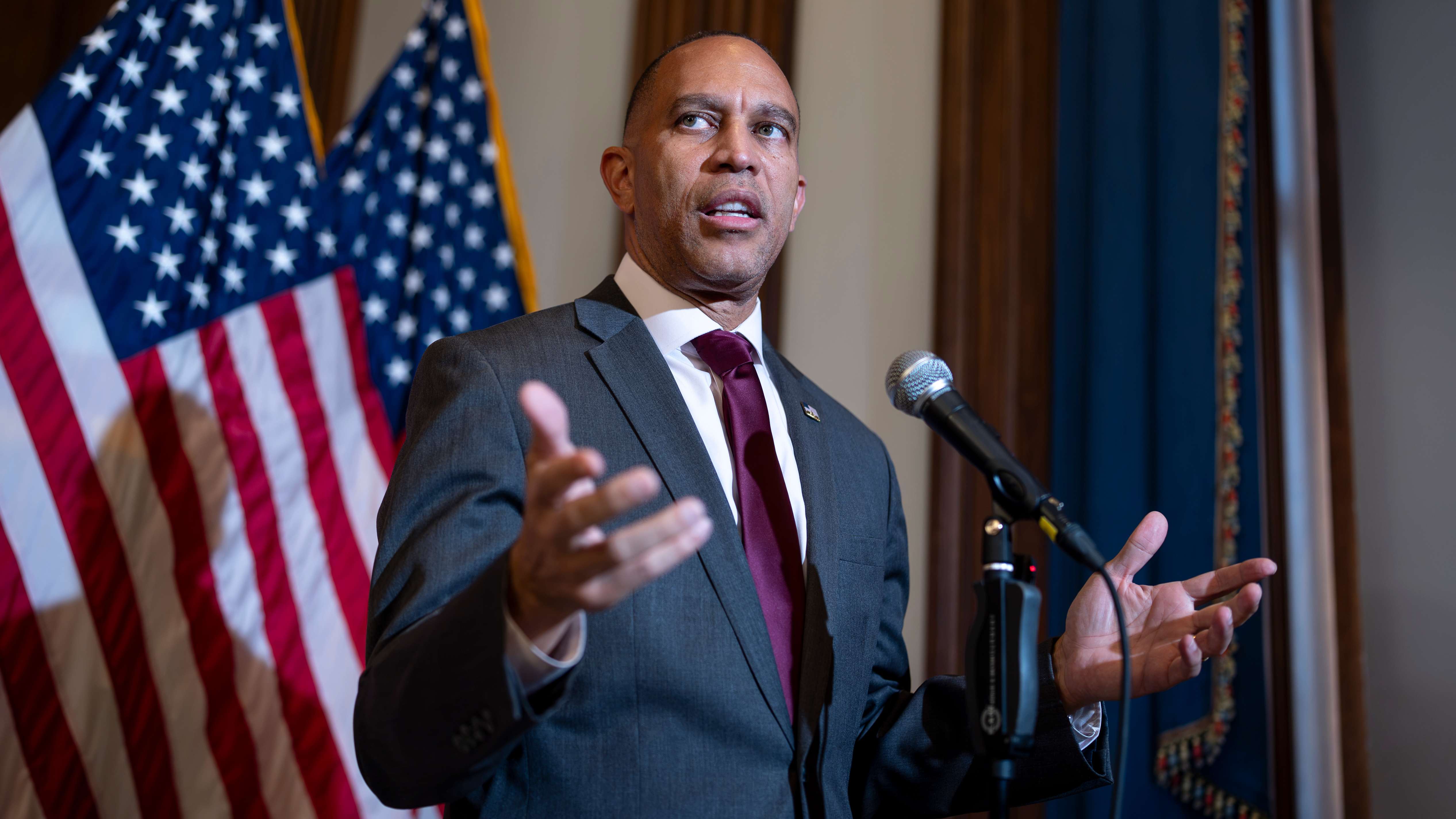
As the political landscape in Washington shifts toward the upcoming elections, the House Democrats are signaling a bold and aggressive approach to governance. Their strategy is not merely about policy debate but involves a comprehensive oversight agenda designed to scrutinize the Trump administration and its inner circle.
In this analysis, we dive deep into the mechanics of this proposed oversight plan, the potential for legal repercussions, and the looming reality of impeachment as a viable option for the party.
📑 Table of Contents
1. The Strategic Shift in Democratic Oversight
The House Democrats are currently laying the groundwork for what could be a monumental undertaking. If they manage to secure control of the chamber in November, they intend to transition from a reactive opposition to a proactive investigative body. This shift is driven by a belief that the current administration requires rigorous scrutiny to ensure government transparency and public accountability.
By leveraging the structural power of the majority, Democrats plan to utilize significantly larger budgets and highly specialized staff members. This infrastructure is essential for moving beyond surface-level critiques to delve into the complex administrative machinations of the executive branch.
The Role of Majority Power
The core of this strategy lies in the fact that majority power allows for the setting of the agenda and the allocation of resources that were previously inaccessible.
2. The Power of Subpoena and Committee Influence
One of the most potent tools at the Democratic disposal is the ability to issue subpoenas. Under the proposed plan, Democrats intend to use this authority to compel testimony and documentation from administration officials and even family members. This process is designed to bring light to internal decision-making processes that have remained shielded from the public eye.
Furthermore, the selection of committee chairs will be critical. By placing loyal investigators in key positions across oversight, judiciary, and finance committees, Democrats can ensure that every facet of the administration's conduct is under the microscope.
Compelling Transparency through Law
Subpoenas serve as the primary mechanism for ensuring that the executive branch remains answerable to the legislative branch.
3. Investigating Corruption and Abuses of Power

The central theme of the Democratic agenda is the allegation of widespread corruption and abuses of power. The party argues that the administration has overstepped its constitutional boundaries, necessitating a deep-dive investigation into financial-related transactions, political appointments, and the potential misuse of federal agencies.
These investigations are expected to span multiple committees simultaneously, creating a web of inquiries. By connecting dots across different departments, Democrats aim to build a comprehensive narrative of course-correct what they view as systemic deviations from democratic norms.
Defining the Executive Limits
The ultimate goal is to establish that no official, regardless of rank, is above the laws of the United States.
4. Impeachment as a Political and Legal Tool
While oversight is the primary focus, the threat of impeachment is not far off the table. House Democrats have indicated that if investigations yield evidence of high crimes or misdemeanors, they are prepared to move forward with impeachment proceedings against the President and key Cabinet officials. This serves as both a legal mechanism and a powerful tool for public communication.
Impeachment in this context is viewed by the party as a necessary safeguard to protect the integrity of the office. It is a high-stakes move that requires significant political capital and clear-cut evidence to survive the subsequent scrutiny.
The Threshold for Constitutional Charges
Impeachment represents the final constitutional recourse for the House to address executive conduct it deems intolerable.
5. The Future of Congressional Checks and Balance
The implications of this vast oversight plan extend far beyond the next election cycle. If implemented, the relationship between the White House and the Capitol will enter a period of unprecedented friction. This tension could lead to a fundamental shift in how the executive and legislative branches interact moving forward for years to come.
Ultimately, the success of the Democratic agenda will depend on the results of their investigations and their ability to maintain public support throughout a grueling process. The stakes include the very definition of executive power in the modern American era.
A New Era of Accountability
The outcome of these investigations will likely set a precedent for future oversight of subsequent administrations.
🔥 Stay tuned for more deep dives into US political developments and oversight strategies.
Conclusion
The House Democrats are preparing for a robust and daunting undertaking, aiming to use oversight, subpoenas, and the threat of impeachment to challenge the Trump administration.
As the November elections approach, the effectiveness of these plans will determine the political trajectory of executive accountability in the United States.
❓ FAQ
What is the House Democrats' plan regarding the Trump administration?
They plan a vast oversight agenda, including investigations into potential corruption and abuses of power if they win control of the House.
Is impeachment considered part of the current strategy?
Yes, Democrats have stated that impeachment of the President and Cabinet officials remains an option if investigations warrant it.
How will the majority power impact these investigations?
Majority power provides larger budgets, more specialized staff, and the legal authority to issue subpoenas.
Which committees are likely to be involved in this oversight?
The plan spans several House committees, including oversight, judiciary, and finance committees.
When would these investigations likely begin begin?
The plan is contingent on the Democrats sweeping control of the chamber in the November elections.
Comments
Post a Comment