
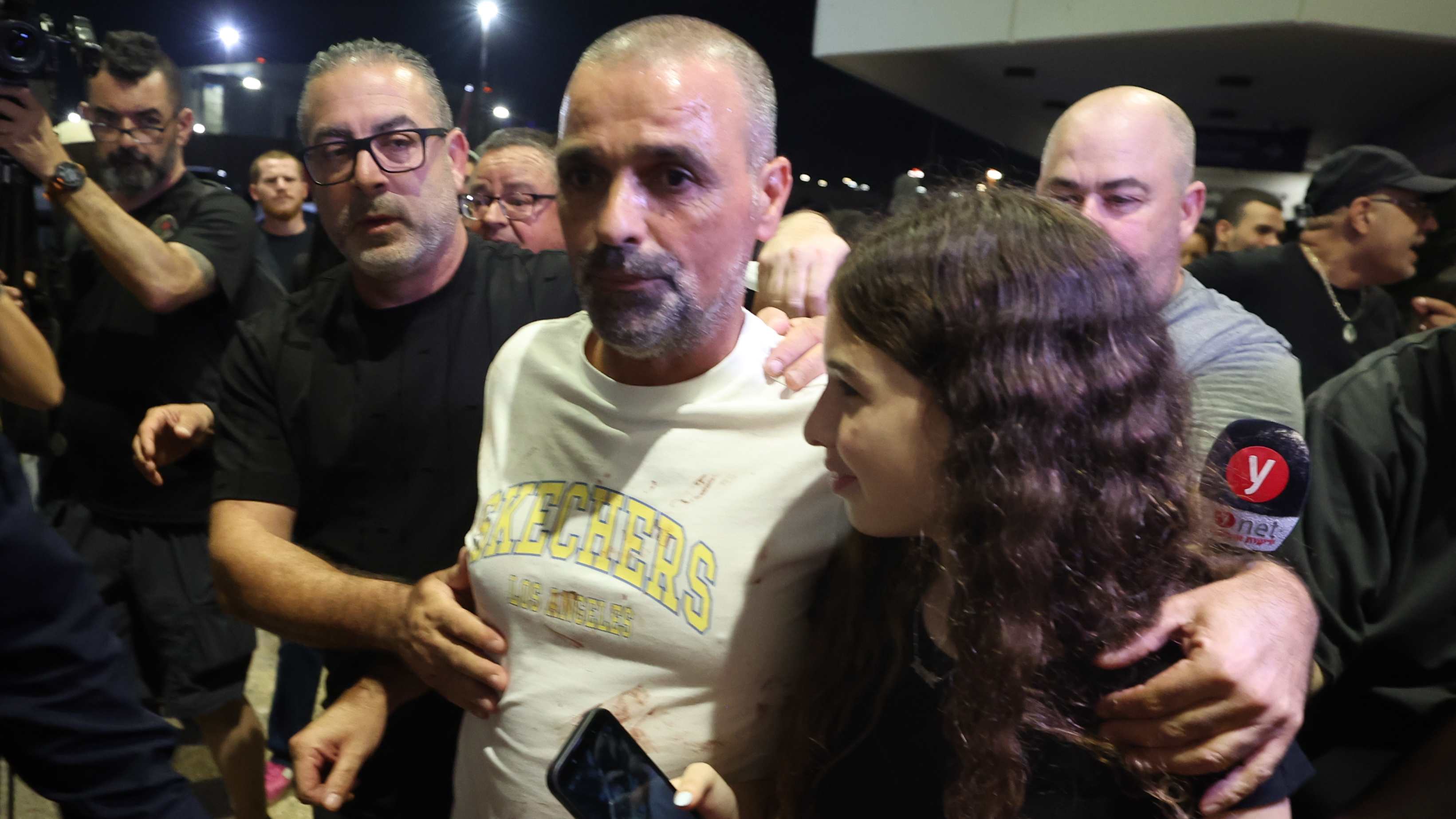
Imagine being cruising at 30,000 feet when the world suddenly turns into a scene of terror. What began as a routine flight from Dubai to Tel Aviv transformed into a fight for survival when a pilot turned against his colleague.
In this comprehensive report, we dive into the harrowing details of the cockpit stabbing that nearly claimed hundreds of lives, highlighting the extraordinary bravery of the passengers who prevented a mass tragedy.
📑 Table of Contents
1. A Routine Flight from Dubai to Tel Aviv
The flight in question was supposed to be another journey for travelers moving between the United Arab Emirates and Israel. Most passengers were settled into their seats, some sleeping, others working, unaware that a disaster was about to unfold just meters away. The atmosphere was initially calm, typical of a short-haul international flight in the region.
However, the security protocol of the aircraft was shattered in an instant. Reports indicate that inside the cockpit, a violent confrontation erupted that threatened the control of the aircraft. This was not a mere internal dispute but a lethal threat to the lives of everyone on board.
The Vulnerability of the Cockpit
While the cockpit is the most secure area of a plane, once that barrier is breached from within, the safety of every passenger is immediately compromised.
2. The Moment the Plane Plummeted
According to witness Yaniv Hayun, the atmosphere shifted instantly when the aircraft suddenly lost altitude. The plane plummeted 17,000 feet in less than two minutes. This rapid loss of altitude is a terrifying experience for any flyer, signaling that the pilots had either lost control or were intentionally disabling the aircraft's flight systems.
Passengers described the sound of screaming and the sight of lights flickering as the cabin tilted. The physical force of the drop threw people off balance, creating a state of absolute shock. It was a moment where many believed they were facing their final moments.
The Physics of a Sudden Descent
The speed at which the 17,000-foot drop occurred indicates a catastrophic failure of level flight or manual override of the flight control surfaces.
3. The Heroic Intervention of Yaniv Hayun

Yaniv Hayun, who later appeared in a bloodstained shirt, became the face of this miraculous survival story. Recognizing that something was horribly wrong when the plane dropped, Hayun and other brave passengers did not freeze in fear. They fought their way toward the cockpit to subdue the attacking pilot who had already stabbed the co-pilot.
The struggle inside the cramped space was intense. The attacker was reportedly attempting to disable the plane, but through sheer physical will and quick thinking, the passengers were able to restrain the individual and regain some semblance of control situation. Without this immediate and decisive action, the aircraft likely would have continued its descent to a total loss of life.
The Price of Quick Thinking
The ability to act under extreme pressure is what separates a tragedy from a miracle in high-stakes aviation emergencies.
4. Psychological Impact and Passenger Testimony
The aftermath of the incident left the survivors in a state of shock. Many described the moment as 'terrifying,' noting that they truly believed they were going to die. The psychological trauma of seeing a pilot—the person entrusted with safety—become an attacker is something that will take many passengers time to process.
Hayun shared his experience with Israeli Prime Minister Benjamin Netanyahu, emphasizing the gravity of the event. The emotional toll on those who survived a near-crash of this magnitude cannot be overstated, as the memories of the blood and the sounds of the plummeting plane will haunt them for years.
Processing Post-Trauma
Long-term support for those who survive mid-air violence is essential for helping them navigate the aftermath of such an event.
5. Implications for Global Aviation Security
This incident raises critical questions about the mental health and vetting processes for flight crews. While security is designed to keep external threats out, the threat of an internal actor remains a complex challenge for the aviation industry. This event may spark a reevaluation of how pilot well-being is monitored and supported.
Furthermore, the role of the passengers in emergency scenarios is highlighted. While passengers are usually told to stay in their seats, this incident proves that in extreme cases, the initiative of the travelers can be the final line of defense when primary safety systems fail.
The Future of Flight Safety
Aviation must evolve to address not just physical security but also the psychological stability of those operating the controls.
🔥 Subscribe to Azeem USA for more in-depth analysis on global aviation and security news.
Conclusion
The story of the Dubai to Tel Aviv flight is a testament to human resilience and the courage of ordinary individuals. Thanks to the quick actions of Yaniv Hayun and others, a potential mass casualty was averted.
As we look forward, the industry must address the underlying issues revealed by this incident to ensure such a terrifying event never happens again.
❓ FAQ
Where was the flight coming from?
The flight was en route from Dubai to Tel Aviv.
How much did the plane drop?
The plane plummeted 17,000 feet in less than two minutes.
Who was the main hero in the rescue story?
Yaniv Hayun was the key passenger who helped subdue the attacking pilot.
What was the motive of the pilot?
The pilot stabbed the co-pilot and attempted to disable the aircraft.
Did the Prime Minister meet with the survivors?
Yes, Benjamin Netanyahu met with Hayun after the ordeal.
Comments
Post a Comment