
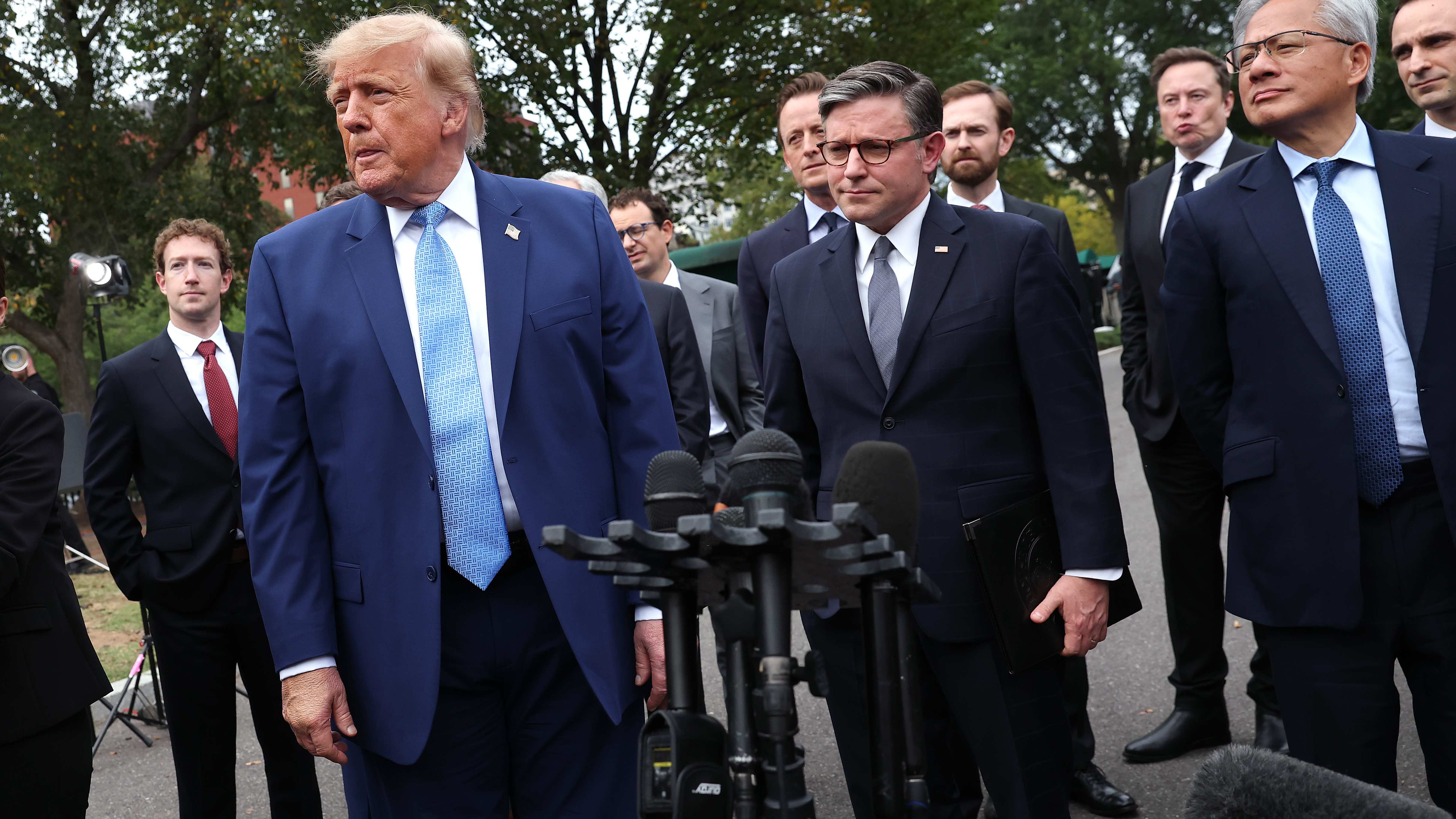
The political currents are shifting, and the Republican Party finds itself navigating choppy waters as the crucial midterm elections draw nearer. For years, party loyalty to former President Donald Trump has been a defining characteristic of the GOP. However, a growing number of Republican lawmakers are now demonstrating a willingness to break ranks with the former president on a variety of sensitive issues.
This strategic divergence is not merely a matter of ideological disagreement; it's a calculated move by some within the party to recalibrate their public image and potentially insulate themselves from electoral headwinds. As President Trump's approval ratings have fluctuated and economic concerns like rising costs weigh on voters, this evolving dynamic raises critical questions about the future direction of the Republican Party and its prospects in the upcoming elections.
📑 Table of Contents
1. The Shifting Political Landscape
The traditional alignment within the Republican Party, characterized by strong adherence to the Trump platform, is showing signs of strain. This isn't a sudden implosion but rather a gradual recalibration driven by the impending electoral battleground of the midterms. Lawmakers facing competitive races are increasingly assessing the electoral calculus, and for some, the perceived electoral liability of being too closely tied to former President Trump has become a significant factor.
The political climate has undeniably evolved. Voters are grappling with economic anxieties, inflation, and a host of other pressing domestic issues. In this environment, some Republicans believe that a more independent stance, or at least a strategic distance from Trump's more controversial positions, could be essential for appealing to a broader electorate and securing victory.
Assessing Electoral Viability
The primary driver behind these strategic shifts appears to be electoral viability. With the president's approval ratings facing headwinds, particularly during the summer months, Republican candidates are re-evaluating the benefits of unwavering Trump endorsement. The goal is to broaden their appeal beyond the core Trump base.
2. Key Issues Driving Divergence
The fissures are appearing across a spectrum of policy areas, from economic initiatives to foreign policy and immigration. For instance, on issues related to energy policy and gas prices, some Republicans are emphasizing pragmatic solutions that differ from Trump's often protectionist or isolationist leanings. The focus is shifting towards tangible relief for consumers, a message that resonates directly with voters feeling the pinch of inflation.
Furthermore, in foreign policy, while a hawkish stance often aligns with Republican orthodoxy, specific approaches to international relations and potential conflicts are becoming points of contention. The need to project stability and a responsible approach to global affairs can sometimes clash with more confrontational rhetoric or policies associated with the former president.
Immigration and Enforcement Nuances
Immigration remains a perennial issue, but the nuances of enforcement and border security are also areas where differentiation is emerging. While a strong stance on border security is a common thread, the specific legislative proposals and the tone used in discussing the issue can vary, allowing some Republicans to carve out a slightly different path.
3. Strategic Calculations: A Path to Victory?

The decision to distance oneself from a party's most prominent figure is never taken lightly. For Republicans choosing this path, it's a high-stakes gamble predicated on the belief that this separation will insulate them from potential electoral losses. The hope is that by presenting themselves as more moderate or independent on certain issues, they can attract swing voters and disaffected Democrats, thereby solidifying their chances in competitive districts and states.
This strategy acknowledges that while Trump retains a powerful influence over a significant portion of the Republican base, his polarizing nature can alienate other crucial voting blocs. The midterms, often seen as a referendum on the sitting president and the direction of the country, present a unique opportunity for candidates to define themselves on their own terms, separate from the national party narrative if they deem it strategically advantageous.
The 'Blue Wave' Avoidance Tactic
The overarching objective for many of these Republicans is to avoid the anticipated "blue wave" – a scenario where Democrats gain significant ground. By creating distance, they aim to present a less Trump-centric image, hoping to appeal to a broader electorate concerned with kitchen-table issues rather than solely partisan loyalty.
4. Historical Context and Party Loyalty
The current political climate is highly unusual when viewed through the lens of historical party dynamics. The Republican Party has, for the most part, exhibited remarkable unity and loyalty to Donald Trump since his emergence on the political scene. This period of alignment, lasting over a decade in various forms, has been a defining feature of modern Republicanism, often characterized by a willingness to embrace his agenda and rhetoric.
However, the pressures of electoral cycles and the shifting moods of the electorate can test even the strongest party allegiances. The decision by some Republicans to break ranks suggests a recognition that the political landscape is not static and that strategies effective in one election cycle may not be suitable for the next. This divergence highlights a tension between maintaining party unity and adapting to contemporary voter concerns.
The Unpopularity Factor
The source material points to the former president's declining approval numbers over the summer as a significant catalyst for this shift. When the party's de facto leader becomes a potential electoral liability, it naturally creates space for dissent and strategic maneuvering among those seeking to retain their seats.
5. The Road Ahead: Implications for the GOP
The unfolding narrative of Republicans distancing themselves from Donald Trump carries profound implications for the future of the party. It raises questions about whether this is a temporary tactical maneuver to navigate the immediate electoral challenges or a sign of a more fundamental realignment. If successful, this strategy could embolden more Republicans to pursue independent lines of policy and messaging, potentially leading to a more diverse and less monolithic party.
Conversely, if these efforts to create distance fail to yield the desired electoral results, it could lead to a backlash from the Trump base, further deepening internal divisions. The success of this strategy will likely depend on a complex interplay of factors, including the specific races, the effectiveness of the candidates' messaging, and the broader national political mood.
A Test of Party Identity
Ultimately, this period represents a critical test for the Republican Party's identity and its ability to adapt to a changing America. The choices made by its leaders and candidates in the coming months will shape its trajectory for years to come, influencing not only election outcomes but also the very definition of what it means to be a Republican in the 21st century.
🔥 Stay informed on the evolving political landscape with Azeem USA.
Conclusion
The Republican Party is at a fascinating crossroads, with a noticeable trend of elected officials strategically stepping away from former President Trump on key issues as the midterm elections approach. This calculated move reflects a complex assessment of electoral dynamics, voter concerns, and the perceived need to broaden appeal beyond the party's core base.
Whether this divergence proves to be a winning strategy or a temporary deviation remains to be seen. The coming months will be crucial in determining the impact of these shifts on the midterm outcomes and the long-term identity of the Republican Party. The political landscape is in constant flux, and the GOP's ability to adapt will be key to its future success.
❓ FAQ
Why are Republicans breaking with Trump before the midterms?
Many Republicans are strategically distancing themselves from Donald Trump due to his fluctuating approval ratings and the belief that it could help them appeal to a broader electorate and avoid electoral losses in the upcoming midterm elections.
On which issues are Republicans disagreeing with Trump?
Disagreements are emerging on a range of issues, including economic policies, energy, foreign policy, and immigration enforcement, as lawmakers seek to tailor their messages to local voter concerns.
Is this a sign of permanent division within the GOP?
It is too early to determine if this is a permanent shift. It is currently viewed by many as a temporary strategy to navigate the immediate electoral pressures of the midterm elections.
What is the 'blue wave' Republicans are trying to avoid?
The 'blue wave' refers to a scenario where the opposing party (in this case, Democrats) gains a significant number of seats in Congress during an election, often signaling a shift in political power.
How has party loyalty to Trump evolved?
While the Republican Party has shown strong loyalty to Trump for over a decade, the current electoral pressures are causing some members to re-evaluate the benefits of unwavering alignment, leading to strategic divergence.
Comments
Post a Comment