
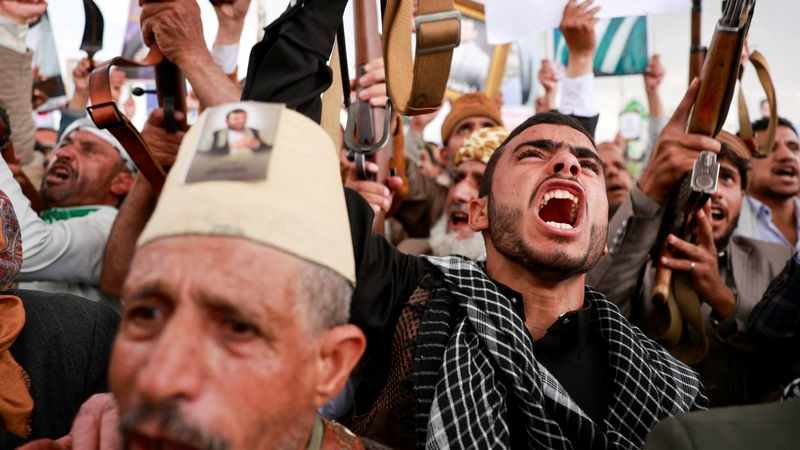
The delicate balance of global energy markets is once again under severe strain as escalating Houthi attacks threaten one of the world's most critical oil trade routes. Recent strikes by Yemen's Iran-aligned Houthi rebels on Saudi Arabia have not only disrupted vital oil flows but have also triggered a significant international response, highlighting the interconnectedness of regional stability and global economic health.
This developing crisis underscores the urgent need for a cohesive international strategy. As allies rally behind Saudi Arabia, the geopolitical ramifications are profound, demanding a deeper understanding of the conflict's roots, the strategic importance of the targeted routes, and the collaborative measures being put in place to ensure stability. Azeem USA delves into the latest developments and their far-reaching impact.
📑 Table of Contents
1. The Escalating Threat: Houthi Strikes and Oil Flows
Recent weeks have seen a dangerous intensification of Houthi military actions, extending beyond the Yemeni battlefield to directly target key infrastructure within Saudi Arabia. These attacks, characterized by missile and drone assaults, have specifically aimed at disrupting Saudi Arabia's oil production and export capabilities. The Houthis, believed to be supported by Iran, have repeatedly launched strikes that have impacted operations, raising concerns about the reliability of supply from the world's leading energy exporter.
The primary concern revolves around the Bab al-Mandab Strait and associated shipping lanes, crucial chokepoints for maritime trade, particularly for oil tankers traversing the Red Sea en route to the Suez Canal and beyond. Any sustained disruption to these routes could have immediate and severe consequences for global energy prices, potentially triggering inflation and economic instability worldwide.
Why are these attacks strategically significant?
The strategic significance lies in the Houthis' ability to project power and threaten global economic arteries. By targeting oil infrastructure and maritime routes, they aim to exert pressure on Saudi Arabia and its allies, potentially influencing regional power dynamics and international policy towards the conflict.
2. International Response: A United Front
In response to these escalating threats, a notable coalition of international powers is stepping forward to support Saudi Arabia. Reports indicate that military chiefs from key nations, including Turkey and Pakistan, are set to convene under a joint defense pact to discuss coordinated support. This meeting signifies a unified stance against the destabilizing actions and a commitment to safeguarding regional security and economic interests.
The involvement of countries like Turkey and Pakistan, each with significant strategic interests in the Middle East and global trade, underscores the broad international concern. This collaborative approach moves beyond mere diplomatic statements, signaling a readiness for concrete actions to deter further aggression and ensure the unimpeded flow of commerce, particularly energy resources.
What does the joint defense pact entail?
While specific details of the pact remain under discussion, the underlying principle is mutual defense and security cooperation. This could involve intelligence sharing, joint military exercises, and potentially direct support in defending critical infrastructure and maritime routes against attacks.
3. Strategic Implications for Global Energy Markets

The repeated Houthi attacks on Saudi oil facilities and shipping lanes have sent ripples through the global energy market. Saudi Arabia, as the de facto leader of OPEC and a cornerstone of global oil supply, faces immense pressure. Any perceived vulnerability or actual disruption can lead to significant price volatility, impacting economies far beyond the immediate region. Consumers worldwide could face higher fuel costs, affecting transportation, manufacturing, and everyday living expenses.
Moreover, the threat to maritime trade routes, particularly the Bab al-Mandab Strait, is a stark reminder of the fragility of global supply chains. The potential for escalating conflict to lead to blockades or increased insurance premiums for shipping companies adds another layer of economic risk. This situation necessitates a proactive and robust response to maintain market confidence and ensure energy security for importing nations.
How do these attacks affect oil prices?
These attacks create uncertainty in the market, leading to speculative buying and increased risk premiums. When the supply from a major producer like Saudi Arabia is perceived to be at risk, even minor disruptions can cause a significant upward pressure on crude oil prices.
4. The Role of Defense Pacts and Military Cooperation
The planned meeting of military chiefs from Saudi Arabia, Turkey, and Pakistan highlights the critical role of defense pacts and military cooperation in addressing modern security challenges. In an era of complex, asymmetric threats, individual nations may find it difficult to counter aggression alone. Joint defense agreements provide a framework for collective security, enabling the pooling of resources, expertise, and intelligence.
This cooperation is vital not only for deterring direct attacks but also for enhancing the overall security architecture of critical regions. By working together, allies can better monitor threats, conduct coordinated patrols of vital waterways, and develop rapid response capabilities. The commitment to support Saudi Arabia under a joint defense pact signals a shared responsibility to uphold international norms and ensure freedom of navigation in vital maritime corridors.
What is the significance of Turkey and Pakistan's involvement?
Turkey and Pakistan are significant regional players with substantial military capabilities and strategic interests. Their active participation signals a broadening of the anti-Houthi coalition and a commitment to maintaining stability in the wider Middle East, a region crucial for global energy and trade.
5. Looking Ahead: Diplomacy and Future Security
While military cooperation and defense pacts are crucial immediate responses, the long-term resolution of such conflicts hinges on sustained diplomatic efforts. Addressing the root causes of instability in Yemen and the broader regional tensions is paramount. International dialogue aimed at de-escalation, humanitarian aid, and political solutions must run parallel to security measures.
The current crisis serves as a potent reminder that regional security is inextricably linked to global economic stability. Moving forward, a multi-faceted approach involving strengthened alliances, robust defense mechanisms, and persistent diplomatic engagement will be essential to safeguard vital trade routes, ensure energy security, and foster lasting peace in the Middle East. The commitment shown by allies in backing Saudi Arabia offers a pathway towards a more secure and stable future for global commerce.
What are the long-term solutions?
Long-term solutions involve comprehensive peace negotiations in Yemen, addressing the underlying political grievances, and fostering regional de-escalation through sustained diplomatic channels, alongside continued efforts to ensure the security of international maritime routes.
🔥 Stay informed on global security and energy markets with Azeem USA.
Conclusion
The escalating Houthi attacks on Saudi Arabia and the subsequent international backing represent a critical juncture for global energy security and regional stability. The united front forming among allies, bolstered by joint defense pacts, underscores the gravity of the threat posed to vital oil routes and the global economy.
As the world watches, the successful navigation of this crisis will depend on a delicate balance of military readiness, diplomatic engagement, and a collective commitment to upholding the principles of free and secure maritime trade. The proactive stance taken by Saudi Arabia's allies is a strong indicator of the global resolve to counter destabilizing actions and ensure the continued flow of energy resources that power the world.
❓ FAQ
What are the primary concerns regarding Houthi attacks on Saudi Arabia?
The main concerns are the disruption of global oil supplies, volatility in energy prices, and the threat to critical maritime trade routes like the Bab al-Mandab Strait.
Which countries are supporting Saudi Arabia in response to these attacks?
Key allies, including Turkey and Pakistan, are coordinating support through joint defense pacts and military discussions.
What is the strategic importance of the Bab al-Mandab Strait?
It is a vital chokepoint for global maritime trade, particularly for oil tankers moving between the Red Sea and the Gulf of Aden, making it crucial for energy security.
How do these attacks potentially impact global oil prices?
Attacks on Saudi oil facilities and threats to shipping routes create market uncertainty, leading to price increases and volatility due to perceived risks to supply.
What is the role of joint defense pacts in this situation?
These pacts facilitate collective security, enabling intelligence sharing, coordinated defense efforts, and rapid response to deter attacks and ensure the safety of vital infrastructure and trade routes.
Comments
Post a Comment