
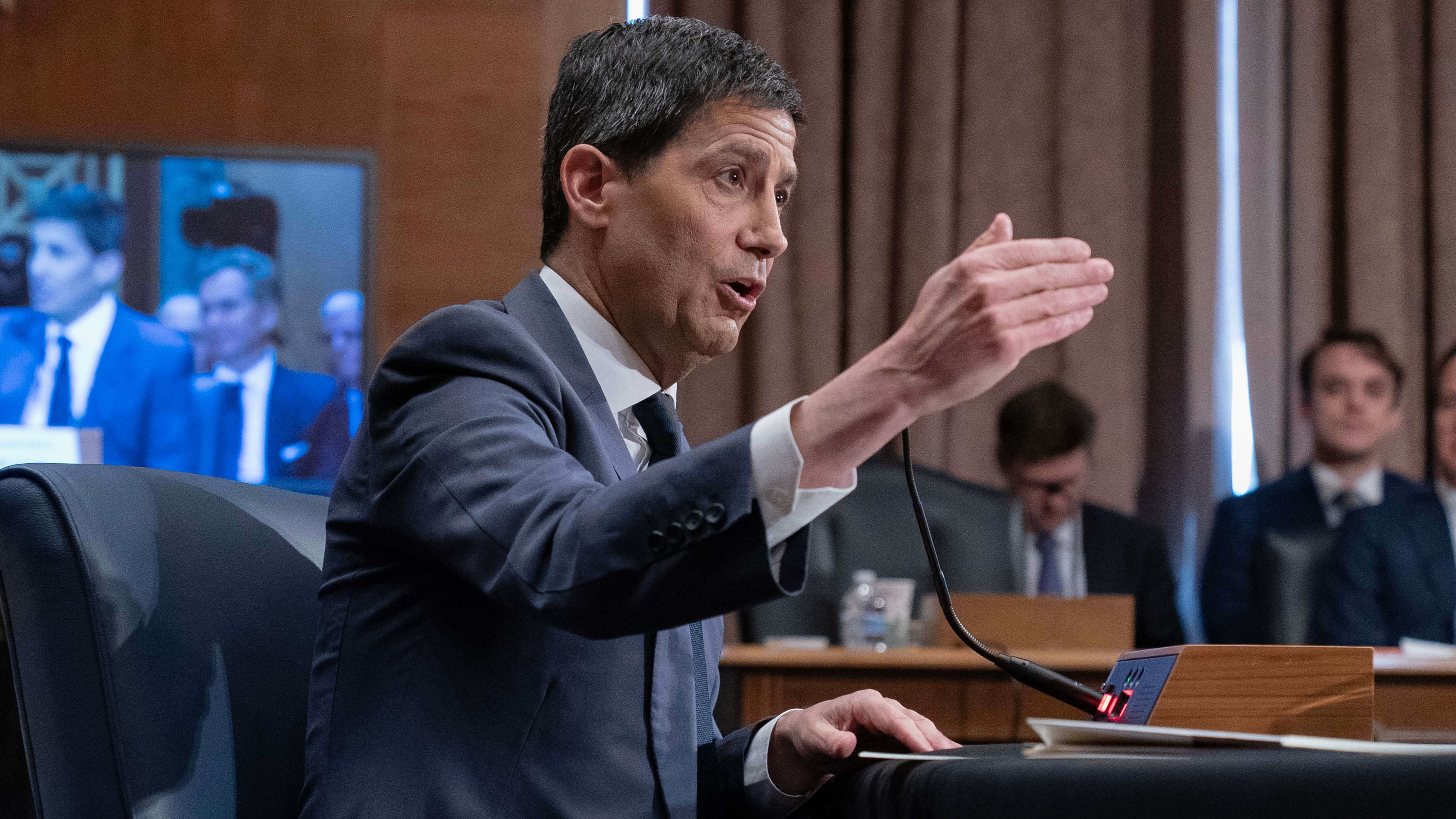
The Federal Reserve has recently made a pivotal move by raising interest rates, marking the first increase in over three years. This policy decision isn't just a headline for Wall Street; it is a fundamental shift in the economic landscape that ripples through every aspect of your personal finances. When Fed Chairman Kevin Warsh and the Federal Open Market Committee announce a quarter-point increase, they are essentially adjusting the cost of money across the entire nation.
In this comprehensive guide, we deconstruct exactly what this hike means for your daily life. From the interest earned on your savings to the monthly payments on your loans, we provide the clarity you need to navigate this new economic reality with confidence.
📑 Table of Contents
1. Understanding the Mechanics of a Fed Rate Hike
The Federal Reserve does not set the interest rates that consumers interact with directly. Instead, it sets the federal funds rate, which is the interest rate banks charge each other for overnight loans. When this base rate rises, the cost of doing business for banks increases, creating a domino effect that eventually reaches the average consumer through various financial products.
The primary goal of a rate hike is to cool down inflation. By making borrowing more expensive, the Fed aims to reduce spending and investment, thereby stabilizing prices for goods and services. While this is necessary for long-term economic health, it creates immediate pressure on those relying on credit.
The Role of the Federal Open Market Committee
The FOMC evaluates economic data to determine the timing of these hikes. Their recent indication that another hike may come suggests that the Fed remains vigilant about persistent inflation, meaning consumers should prepare for sustained borrowing costs in the foreseeable future.
2. Direct Impact on Your Bank Accounts and Savings
For savers, a Fed rate hike is a long-awaited blessing. For years, low-interest-rate environments meant that money sitting in traditional accounts earned almost nothing. As the Fed raises rates, banks compete for deposits by offering higher Annual Percentage Yields (APY) on savings accounts and certificates of deposit.
However, it is important to note that not all banks pass these rate increases on to customers immediately. Large national banks may be slow to raise their savings rates, while online-only banks and local credit unions often move much faster to attract and retain new capital.
Maximizing Your High-Yield Savings
To truly benefit from this shift, savers should consider moving funds from low-interest checking accounts to high-yield savings accounts (HYSA). This ensures that your emergency fund is keeping pace with inflationary pressures.
3. The Rising Cost of Mortgages and Auto Loans
The most significant impact of a rate hike is often seen in the housing market. For those looking to buy a home, a higher Fed rate translates to higher mortgage rates. This can significantly reduce a buyer's purchasing power, as the monthly interest payment can increase by hundreds of dollars over the life of the loan.
Existing homeowners with fixed-rate mortgages are protected from these changes, as their rates are locked in. However, those with adjustable-rate mortgages (ARMs) may see their monthly payments increase as their rates reset based on the new, higher market environment.
Auto Financing Challenges
Auto loans tend to follow the Fed's lead closely. If you are planning to purchase a vehicle soon, expect to face higher interest rates than those available just a few months ago, making vehicle ownership more expensive overall.
4. Credit Card Debt and Interest Management
Credit cards are among the most sensitive financial products to Fed rate changes. Most credit cards carry variable interest rates, which are tied directly to the Prime Rate. When the Fed raises its rates, the Prime Rate usually follows almost immediately, often within a single billing cycle.
What this means is that if you carry a balance on your credit card, the interest charges will grow monthly. This can lead to a debt cycle that becomes much harder to escape as a larger portion of your minimum payment goes toward interest rather than the principal balance.
Strategies for Managing High-Interest Debt
The best strategy during a rising rate environment is to pay down high-interest balances as aggressively as possible. If possible, consider a balance transfer card with a 0% introductory rate to freeze the impact of rising interest.
5. Strategic Financial Moves for the Future
Navigating a period of rising interest rates requires a shift from reactive to proactive financial management. It is the time to review your debt structure and identify where you are vulnerable to rate increases. Prioritizing the elimination of variable-rate debt should be the top for most households.
Furthermore, investors like John Shugar of Goldman Sachs suggest that the market may have already priced in some of these moves. However, for the individual, the reality remains that borrowing is now more expensive and cash is more valuable if placed in the right interest-bearing vehicles.
Looking Ahead at Investment Trends
While higher rates can pressure stock valuations, they also offer better returns on fixed-income investments like bonds. Diversifying your portfolio to include these yields could be a wise move in this new climate.
🔥 Review your current savings accounts today to ensure you are receiving the best possible interest rate.
Conclusion
The Fed's rate rate hike is a double-edged sword: while it increases the cost of homes, cars, and credit card debt, it provides a rare opportunity for savers to grow their wealth through higher interest yields. By understanding these mechanics, you can adjust your strategy to protect your financial health.
As we look toward potential future hikes, staying informed and minimizing variable-rate debt will be the keys to thriving in this economic environment.
❓ FAQ
Will my credit card interest rate go up immediately?
Usually yes, most credit cards have variable rates tied to the Prime Rate, which rises when the Fed hikes.
Will my bank account pay more interest?
It depends; online high-yield savings accounts usually increase rates faster than traditional big-box banks.
Is now a good time to get a mortgage?
It depends on your situation, but higher rates mean higher monthly payments and lower overall purchasing power.
What happens to my adjustable-rate mortgage?
Your monthly payment may increase when your rate period resets, so it's wise to consider refinancing to a fixed-rate loan.
Will the Fed stop raising rates?
The FOMC indicated that another hike may come if inflation remains high.
Comments
Post a Comment