BREAKING: Ukraine Resumes Russian Refinery Strikes After US Ceasefire 🚨 Breaking News Analysis 📸 Image Credit: yahoo.com By Azeem-USA · Thu Oct 15 2026 English (en-US) Ukraine has officially resumed its strategic campaign against Russian energy infrastructure, launching a precision strike on a refinery in the Ryazan region on Thursday. This escalation marks a definitive break from the temporary energy ceasefire demanded by the United States, coming immediately after President Volodymyr Zelensky expressed public fury over the withdrawal of American intelligence support. This analysis examines the immediate impact of the Ryazan strike, the breakdown of the US-led energy truce, and the broader implications for the conflict and global energy markets. 📑 Table of Contents The Ryazan Strike: Kyiv Hits Back The Trump Energy Ceasefire Collapse Zelensky's Intelligence Ultimatum Economic Warfare and Global Fuel Volatility The Geopolitical Fallout: W...

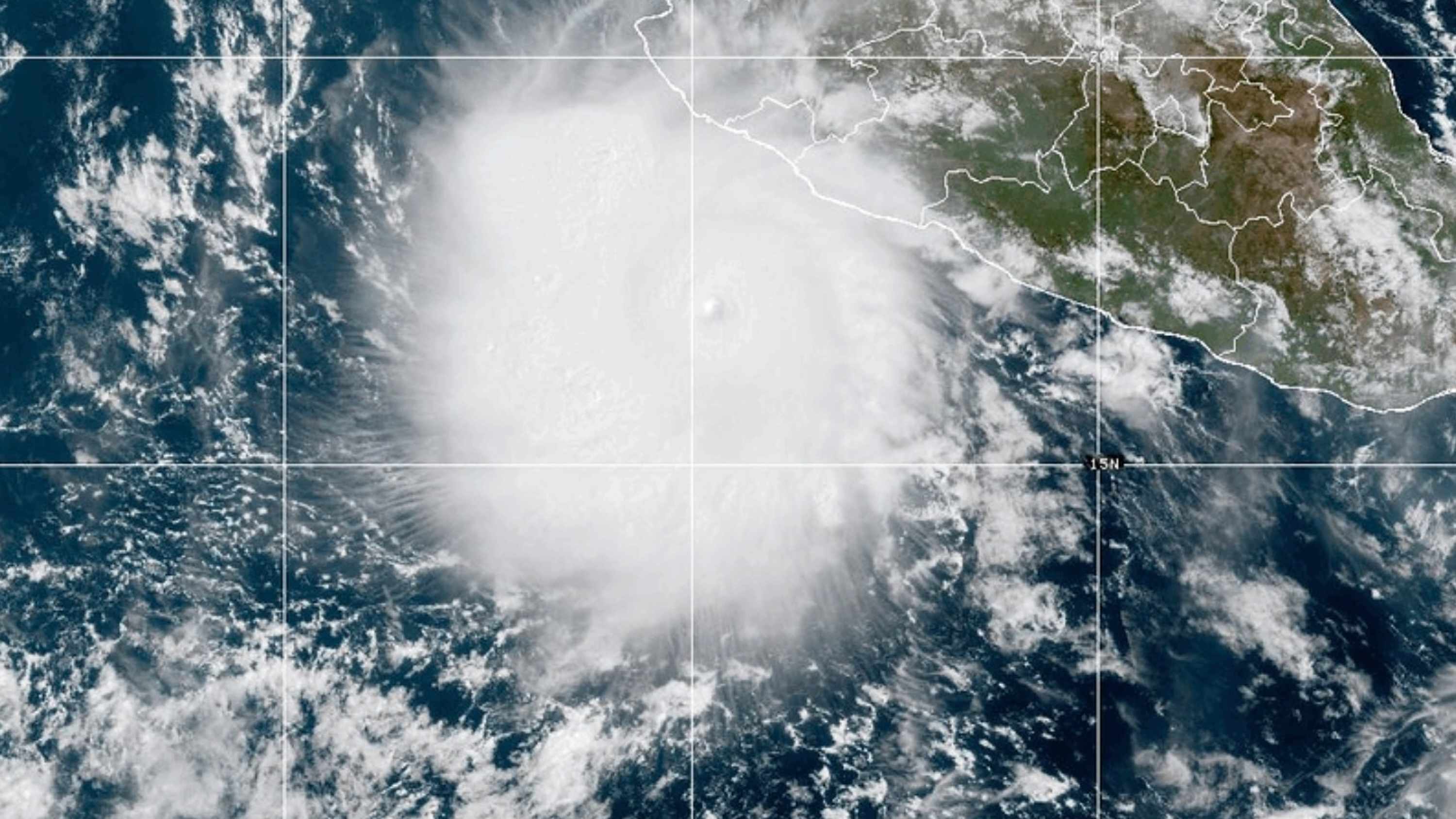
The Pacific Ocean is currently a stage for significant meteorological drama, with two powerful hurricanes, Polo and Nolo, commanding attention. As Hurricane Polo unleashed its fury upon Mexico's western coastline, residents scrambled to protect their homes and livelihoods. Simultaneously, Hurricane Nolo began its menacing journey across the vast Pacific, setting its sights on the Hawaiian Islands, raising concerns about potentially catastrophic flooding.
This dual-threat scenario underscores the dynamic and often unpredictable nature of tropical cyclones in the Pacific basin. At Azeem USA, we delve into the current impacts of these storms, the science behind their development, and the critical importance of preparedness for communities in their paths.
📑 Table of Contents
1. The Fury of Hurricane Polo on Mexico's Coast
Mexico's Pacific coastline found itself on the front lines as Hurricane Polo made its presence felt. Reports indicated that residents were undertaking urgent measures, such as stacking sandbags to reinforce beachfront businesses and evacuating homes situated in vulnerable areas. The approach of a powerful hurricane necessitates immediate action to mitigate potential damage and ensure the safety of life and property. The intensity of Polo, though offshore, was sufficient to generate significant rainfall and coastal impacts, a stark reminder of nature's formidable power.
The economic and social fabric of coastal communities is particularly susceptible to the wrath of such storms. Businesses that rely on tourism and the livelihoods of their employees are often at the forefront of direct impacts. The proactive steps taken by residents, while essential, also highlight the ongoing challenge of balancing coastal living with the inherent risks posed by a changing climate and increasing storm activity.
Coastal Fortification Strategies
The deployment of sandbags and the strategic evacuation of at-risk zones are time-tested methods for buffering the immediate effects of storm surges and heavy rains. These actions represent a critical first line of defense for communities facing imminent threats.
2. Hurricane Nolo's Path Towards the Hawaiian Islands
While Polo made landfall impacts in Mexico, the attention of meteorologists and residents across the Pacific shifted towards Hurricane Nolo. This storm rapidly intensified, achieving hurricane status and embarking on a trajectory that pointed directly towards the Hawaiian Islands. Forecasters at the National Hurricane Center issued stern warnings, indicating that Nolo was expected to strengthen further as it moved across the ocean.
The primary concern for Hawaii, particularly the Big Island and Maui, revolves around the potential for extreme rainfall. Predictions of 15 to 30 inches (38 to 76 centimeters) of rain, with the possibility of even higher localized totals through Saturday, painted a grim picture of potential flash flooding and landslides. Such deluge can overwhelm infrastructure, disrupt transportation, and pose significant risks to residents.
Anticipating Catastrophic Flooding
The projected rainfall amounts for the Big Island are exceptionally high, raising alarms about the potential for catastrophic flooding. This type of extreme weather event can have long-lasting consequences, impacting water resources, agricultural lands, and the overall resilience of the island communities.
3. Understanding Hurricane Intensity and Forecasting

The development and movement of hurricanes like Polo and Nolo are governed by complex atmospheric and oceanic conditions. Factors such as sea surface temperatures, atmospheric moisture, and wind shear play crucial roles in their intensification, weakening, and directional path. Hurricanes are classified on the Saffir-Simpson Hurricane Wind Scale, based on their sustained wind speeds, with Category 5 being the most intense.
Advanced forecasting models, utilizing data from satellites, reconnaissance aircraft, and weather buoys, are essential tools for predicting a hurricane's track and intensity. However, forecasts, especially for the precise track and strength several days out, carry inherent uncertainties. The National Hurricane Center continuously updates its advisories, providing critical information for emergency managers and the public to make informed decisions.
The Role of Sea Surface Temperatures
Warm ocean waters are the primary fuel for hurricanes. As global temperatures rise, and ocean heat content increases, there is growing concern among scientists about the potential for more intense and rapidly intensifying tropical cyclones.
4. Preparedness: Lessons from Past Storms
The recurring threat of hurricanes in the Pacific serves as a constant reminder of the importance of robust preparedness strategies. Communities in storm-prone regions must develop comprehensive emergency plans that include evacuation routes, communication protocols, and accessible shelter options. For residents, this translates to having emergency kits stocked with essentials, securing homes against high winds and water, and staying informed through official channels.
The experiences of past major hurricanes, such as Maria in Puerto Rico or Katrina in the Gulf Coast, offer invaluable lessons. These events underscore the need for resilient infrastructure, effective early warning systems, and community-wide cooperation. Preparedness is not a singular event but an ongoing process of education, planning, and practice.
Building Community Resilience
Effective community resilience involves not only individual preparedness but also collective efforts to strengthen infrastructure, establish mutual aid networks, and ensure that vulnerable populations are adequately supported before, during, and after a storm.
5. The Broader Implications of Pacific Hurricane Activity
The simultaneous presence of significant hurricane activity in the Pacific is a phenomenon that warrants careful study. While natural variability plays a role, the increasing frequency and intensity of extreme weather events are consistent with projections related to climate change. Warmer oceans provide more energy for storms, potentially leading to stronger winds, heavier rainfall, and greater storm surge impacts.
As Azeem USA continues to monitor these developing situations, it is clear that understanding the long-term trends in hurricane activity is crucial for adaptation and mitigation efforts. Investing in climate science, promoting sustainable practices, and supporting international cooperation are vital steps in addressing the challenges posed by a changing global climate and its impact on extreme weather.
Adapting to a Changing Climate
The intensifying hurricane seasons in the Pacific are a clear signal that adaptation strategies must be prioritized. This includes updating building codes, improving coastal defenses, and developing more sustainable resource management practices to withstand the impacts of increasingly powerful storms.
🔥 Stay informed and prepared for severe weather events by following official advisories and developing a comprehensive emergency plan.
Conclusion
The unfolding events with Hurricanes Polo and Nolo highlight the immense power of nature and the critical need for vigilance and preparedness. While Polo brings immediate challenges to Mexico's coast, Nolo's trajectory towards Hawaii underscores the interconnectedness of weather systems across the vast Pacific Ocean.
As we navigate this period of heightened storm activity, the importance of heeding official warnings, implementing robust emergency plans, and fostering community resilience cannot be overstated. At Azeem USA, we remain committed to providing timely information and insights into critical global events, empowering our readers with the knowledge they need to stay safe and informed.
❓ FAQ
What is the current status of Hurricane Polo?
Hurricane Polo is currently impacting Mexico's west coast with heavy rainfall and potential coastal flooding.
Where is Hurricane Nolo heading?
Hurricane Nolo is strengthening and moving across the Pacific Ocean, with its projected path targeting the Hawaiian Islands.
What are the main concerns for Hawaii?
The primary concern for Hawaii, particularly the Big Island and Maui, is the potential for catastrophic flooding due to extremely heavy rainfall.
How do hurricanes form and strengthen?
Hurricanes form over warm ocean waters and strengthen by drawing energy from the heat and moisture. Factors like sea surface temperature and atmospheric conditions are crucial.
What is the best way to prepare for a hurricane?
Preparation involves securing homes, stocking emergency kits, having an evacuation plan, and staying informed through official sources like the National Hurricane Center.
Comments
Post a Comment