
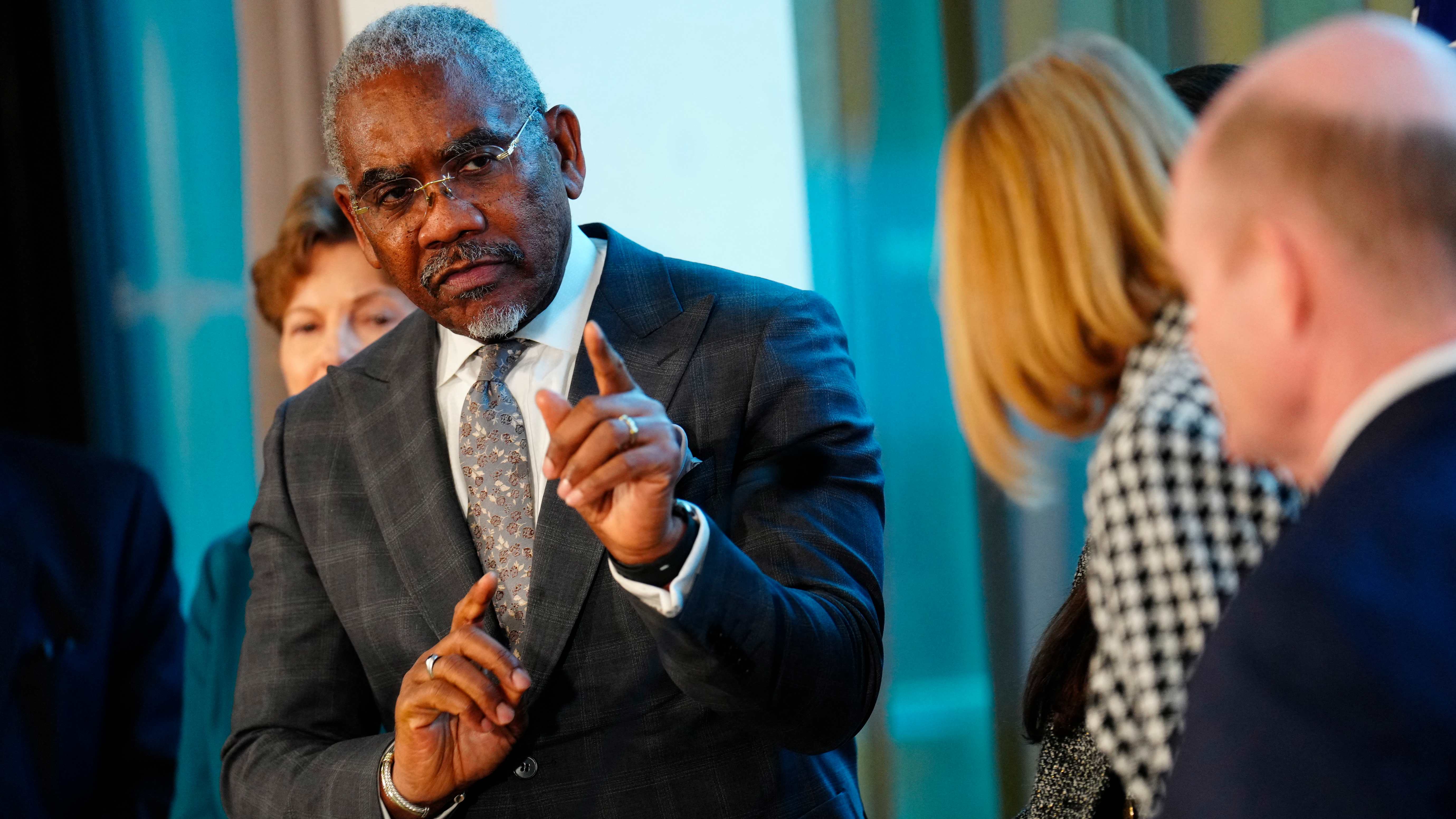
In a significant move that reverberates through international relations and defense policy, a top Democrat on the House Foreign Affairs Committee has placed a hold on a proposed $2.8 billion sale of heavy weaponry to Israel. This decision signals a growing unease within certain U.S. political circles regarding the potential use of these munitions.
This blog post will delve into the details of this development, examining the stated reasons for the hold, the broader geopolitical implications, and the critical questions surrounding the use of advanced weaponry in conflict zones. We aim to provide a comprehensive overview for those seeking to understand this complex issue.
📑 Table of Contents
1. The Blocked Arms Deal: A Closer Look
The proposed sale, valued at a substantial $2.8 billion, involves a significant quantity of heavy-duty munitions. This type of weaponry is designed for significant destructive power and is typically intended for use against hardened targets or in large-scale operations. The Trump administration had advanced this sale, reflecting a long-standing U.S. commitment to Israel's security and its qualitative military edge in the region.
However, the approval process for such major arms sales is not merely administrative; it involves congressional oversight. Key committees, including the House Foreign Affairs Committee, have the power to review and, in certain circumstances, halt or delay these transactions. It is within this framework that Representative Gregory Meeks, a prominent Democrat from New York and the top Democrat on the committee, has exercised his prerogative.
Details of the Munitions in Question
While specific details regarding the exact types of bombs included in the $2.8 billion package are often sensitive, the term 'heavy weaponry' suggests munitions capable of causing widespread damage. Reports indicate that these could include large-yield bombs that raise particular concerns when used in proximity to civilian populations.
2. Understanding Representative Meeks' Concerns
Representative Meeks has explicitly stated that his decision stems from "grave, unresolved concerns" regarding the potential application of these weapons. His primary apprehension centers on the risk of these powerful bombs being used in densely populated areas, specifically mentioning Gaza and Lebanon. This concern is not abstract; it is rooted in the observed realities of recent conflicts in these regions.
The congressman's statement highlights a critical tension between supporting an ally's security needs and ensuring that U.S.-supplied arms are not employed in ways that could violate international humanitarian law or exacerbate civilian suffering. The onus, in his view, is on the Israeli government, led by Prime Minister Benjamin Netanyahu, to provide assurances about the responsible use of such munitions.
The Requirement for Assurances
A key element of Meeks' position is the perceived lack of sufficient assurances from the Trump administration and, by extension, the Israeli government. He has indicated that the administration had not provided adequate information or guarantees concerning how these weapons would be deployed, particularly in scenarios involving civilian infrastructure or populations. This suggests a demand for greater transparency and accountability in the arms transfer process.
3. The Broader Geopolitical Context

This development occurs against a backdrop of intricate geopolitical dynamics in the Middle East. The U.S.-Israel alliance is a cornerstone of American foreign policy in the region, characterized by substantial military and diplomatic support. However, this alliance is not without its complexities and internal debates, especially concerning Israeli military actions and their international repercussions.
The timing of the hold also carries weight. Decisions regarding arms sales often become entangled with broader political considerations, both domestically and internationally. In this instance, the move by a leading Democrat signals a potential shift or at least a period of heightened scrutiny in how such sales are evaluated, moving beyond simple strategic alignment to incorporate more stringent ethical and legal considerations.
Congressional Oversight and Executive Action
The power of congressional oversight in arms sales is a crucial check on executive branch decisions. While the President has broad authority in foreign policy and defense, Congress plays a vital role in approving major arms transfers. A hold placed by a committee leader, particularly one from the party in the majority, can effectively pause or even derail a sale, forcing a re-evaluation of the terms and justifications.
4. Humanitarian Implications and International Law
The core of Representative Meeks' objection lies in the potential humanitarian consequences of using heavy bombs in densely populated areas. International humanitarian law, including the Geneva Conventions, mandates that all parties to a conflict must distinguish between combatants and civilians, and between military objectives and civilian objects. Attacks must be conducted in a way that minimizes harm to civilians and civilian objects.
The use of powerful munitions in urban environments, where civilians are concentrated, inherently increases the risk of indiscriminate harm. Critics argue that weapons with a wide area of effect, when employed in such settings, may not be capable of adhering to the principles of distinction and proportionality, potentially leading to violations of international law. This is precisely the concern that Representative Meeks has raised, seeking to prevent the complicity of the U.S. in actions that could lead to such outcomes.
Accountability and Responsibility
The hold underscores the principle of accountability. When the U.S. provides significant military aid or arms sales, there is an expectation, and often a legal requirement, that these tools will be used responsibly and in accordance with international norms. The decision to pause the sale is a mechanism to demand greater accountability from the recipient nation regarding the application of these weapons.
5. The Future of US Arms Sales to Israel
This incident highlights a developing trend where concerns about human rights and adherence to international law are playing an increasingly prominent role in the debate over U.S. arms sales. While the strategic importance of Israel remains a constant in U.S. foreign policy, the methods and consequences of its military operations are subject to growing scrutiny.
Moving forward, this hold could set a precedent for future arms deals. It signals that political leaders are prepared to leverage their oversight authority to ensure that U.S. weaponry is not associated with actions that could undermine American values or international legal standards. This could lead to more rigorous vetting processes and demands for greater transparency in all future arms transfers.
Navigating Complex Alliances
The situation calls for a delicate balance. The U.S. must continue to support its allies while also upholding its commitment to international law and human rights. This requires ongoing dialogue, clear communication, and a willingness to hold partners accountable for their actions. The decisions made in the coming weeks and months regarding this specific arms sale will be closely watched as indicators of how these complex relationships will evolve.
🔥 Stay informed on critical foreign policy decisions affecting global stability.
Conclusion
The hold placed on the $2.8 billion arms sale to Israel by Representative Gregory Meeks is a significant development, reflecting serious concerns about the potential use of heavy weaponry in densely populated areas. It underscores the critical role of congressional oversight in foreign policy and the increasing importance of adhering to international humanitarian law.
This event is likely to shape future discussions and decisions regarding U.S. arms sales, emphasizing the need for accountability and transparency. As the geopolitical landscape continues to evolve, navigating the complexities of alliances while upholding humanitarian principles will remain a paramount challenge for policymakers.
❓ FAQ
Who placed the hold on the arms sale?
Representative Gregory Meeks, the top Democrat on the House Foreign Affairs Committee, placed the hold.
What is the value of the proposed arms sale?
The proposed sale is valued at $2.8 billion.
What are the main concerns cited for blocking the sale?
Concerns are focused on the potential use of powerful bombs in densely populated areas of Gaza and Lebanon, and whether such use would align with U.S. and international law.
Which administration proposed this arms sale?
The Trump administration proposed the sale.
What is the significance of congressional oversight in arms sales?
Congressional oversight provides a crucial check on executive decisions, allowing lawmakers to review, question, and potentially halt or delay major arms transfers based on strategic, ethical, and legal considerations.
Comments
Post a Comment