
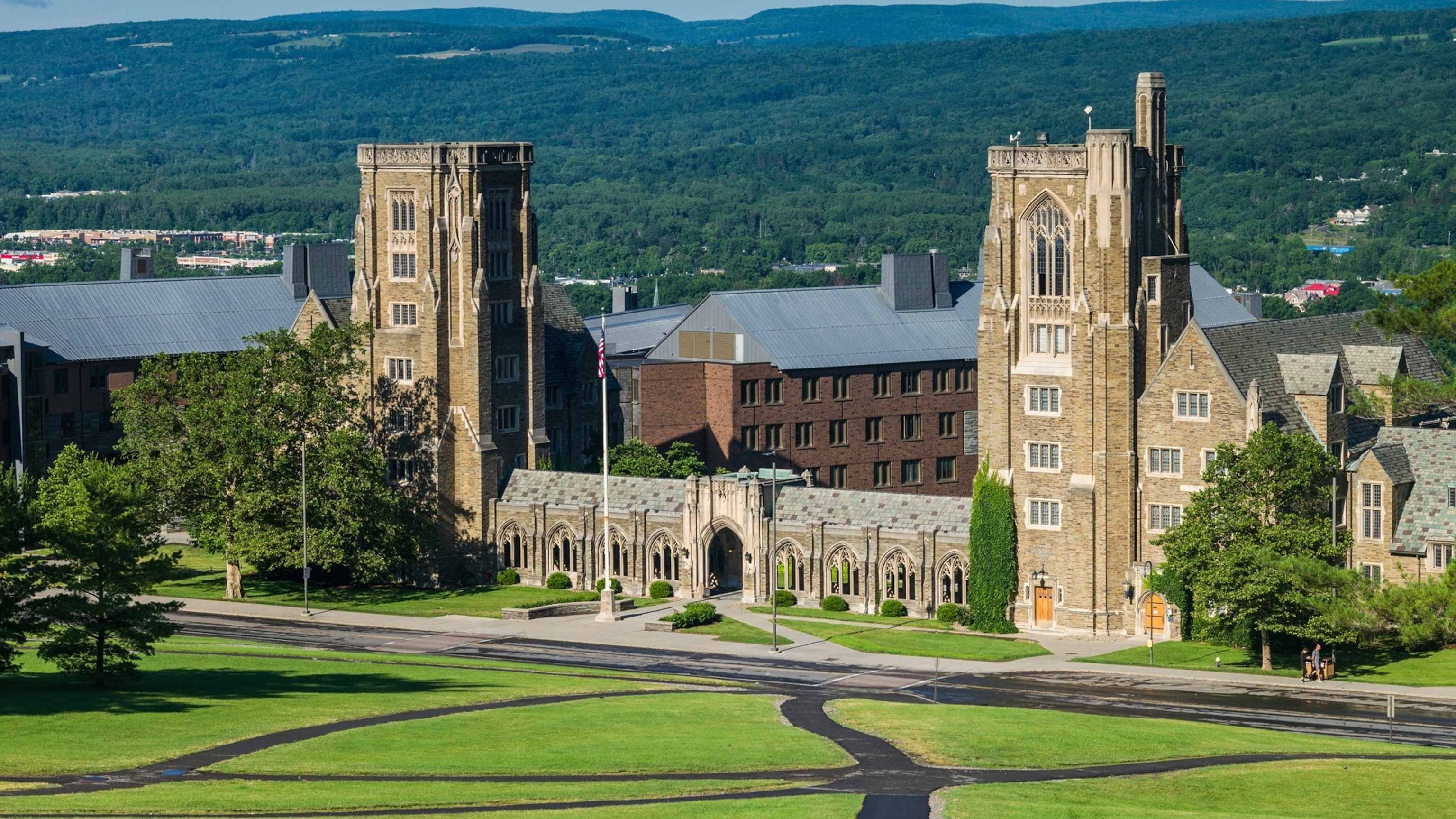
The legal landscape surrounding campus safety often shifts when civil litigation meets criminal justice. In a recent development that has sent shockwaves through the academic community, a New York state prosecutor has officially reopened a criminal investigation into an alleged gang rape at a Cornell University fraternity in 2024.
In this deep dive, we explore the complexities of the reopened case, the role of Tompkins County District Attorney Matthew Van Houten, and what this means for the future of accountability within Ivy League institutions.
📑 Table of Contents
1. The Turning Point in the Cornell Case
For months, the allegations surrounding a tragic incident at a Cornell fraternity house remained in a state of legal limbo. However, the filing of a detailed civil lawsuit by the alleged victim last week acted as a catalyst, forcing authorities to reassess the evidence. This move has brought national attention to the systemic issues of sexual assault occurring within high-pressure university environments.
The investigation involves seven fraternity members who are now facing the scrutiny of a grand jury. While civil cases focus on damages and liability, the shift back to a criminal investigation introduces the possibility of imprisonment and prosecution, significantly raising the stakes for all parties involved.
The Gravity of the Allegations
The civil lawsuit outlines a harrowing series of events that provide prosecutors with a fresh look at the details that may have been overlooked during the initial preliminary inquiries.
2. Why the Civil Lawsuit Changed the Investigation
In the American legal system, civil and criminal cases operate under different standards of proof. A civil case requires a 'preponderance of the evidence,' whereas criminal charges require 'beyond a reasonable doubt.' By filing a lawsuit, the victim was able to present testimony and evidence that potentially provided the prosecutor with the momentum needed to reopen the case.
The media coverage generated by the lawsuit also placed public pressure on the justice system to ensure transparency. When high-profile campus cases gain national traction, prosecutors often conduct more thorough reviews of existing files to ensure no stone is left unturned regarding justice.
Evidence Discovery in Civil Court
Discovery processes in civil litigation can often uncover documents, communications, and witness statements that were not immediately available during the initial police probe.
3. District Attorney's Strategic Shift
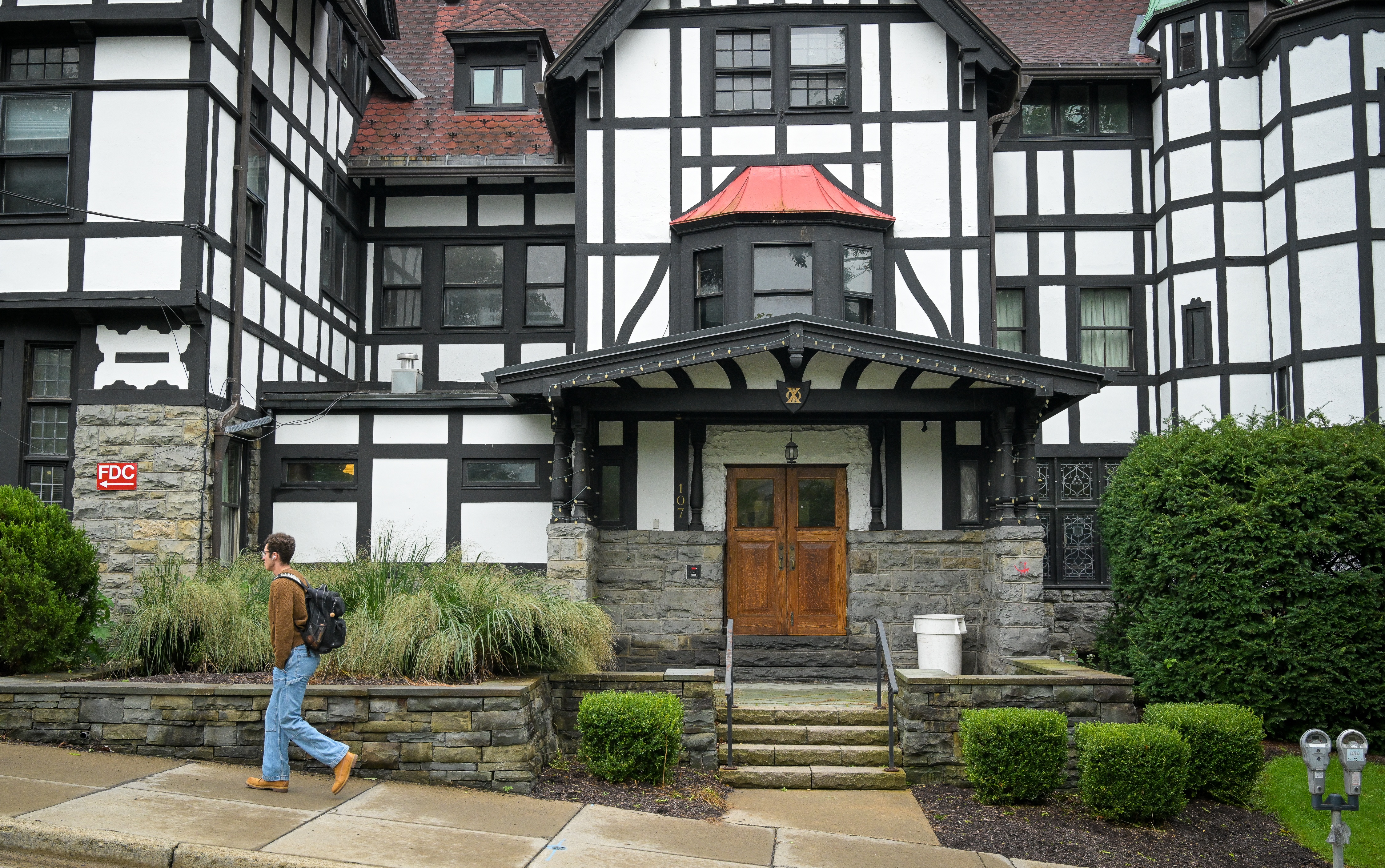
Tompkins County District Attorney Matthew Van Houten issued a lengthy statement explaining the pivot in his office's strategy. Initially, the office decided they did not have sufficient evidence to secure a conviction in a criminal court. However, the new insights and the narrative provided in the civil filing have altered the viability of a criminal case.
Van Houten's decision to present the case to a grand jury is a critical step. The grand jury will determine if there is enough probable cause to bring formal charges against the seven fraternity members. This process protects the accused while acknowledging the complexity of investigating sexual assault allegations in private settings.
The Role of the Grand Jury
The grand jury serves as a buffer, ensuring that the state's case is legally sound before proceeding to a public trial.
4. The Impact on Campus Culture and Safety
This case has reignited a fierce debate regarding fraternity culture at elite universities. For years, critics have argued that Greek life can sometimes create environments where boundaries are blurred and misconduct is shielded by silence. The reopened investigation at Cornell serves as a stark reminder that these issues are not confined to any institution.
Universities are now under increased pressure to implement rigorous safety protocols that go beyond basic compliance. The fallout from this case will likely affect not just the seven individuals involved, but also how other Ivy League schools handle reports of misconduct and protect their student bodies.
Redefining Greek Life
The legal scrutiny is forcing a conversation about whether fraternities can truly self-regulate or if external oversight is the only path to student safety.
5. Broader Implications for University Accountability
Beyond the immediate facts of the Cornell case, this event sets a precedent for how civil lawsuits can influence criminal investigations. When a victim successfully triggers a reopening through litigation, it demonstrates the power of the civil system in seeking justice. This may provide a roadmap for other victims who feel their initial reports were dismissed.
As the case moves forward, the legal community will be watching to see how the DA handles the evidence presented to the grand jury. It is a test of the criminal justice system's ability to handle complex, multi-defendant allegations within a prestigious academic setting.
The Future of Campus Justice
The outcome of the grand jury proceedings will likely be a benchmark for similar campus sexual assault cases handled nationwide.
🔥 Stay tuned to Azeem USA for further updates on this developing legal case and campus news.
Conclusion
The reopening of the Cornell gang rape investigation highlights the critical intersection of civil and criminal law in the pursuit of victim justice. As the case moves to a grand jury, the focus remains on the accountability of the fraternity members and the safety of the university community.
This development will undoubtedly be a turning point for how universities and prosecutors handle allegations of misconduct in the future.
❓ FAQ
Why was the criminal investigation reopened?
The investigation was reopened after a civil lawsuit filed by the victim provided new momentum and national attention to the case.
How many people are being investigated?
Seven fraternity members are currently part of the criminal investigation.
What is the role of the grand jury in this case?
The grand jury will determine if there is enough probable cause to bring formal criminal charges against the defendants.
Is there a civil trial happening yet?
No, the civil lawsuit focuses on damages, while the criminal investigation focuses on potential criminal charges.
How does this affect Cornell University?
It has sparked intense debate regarding fraternity culture, safety, and accountability on the campus.
Comments
Post a Comment