
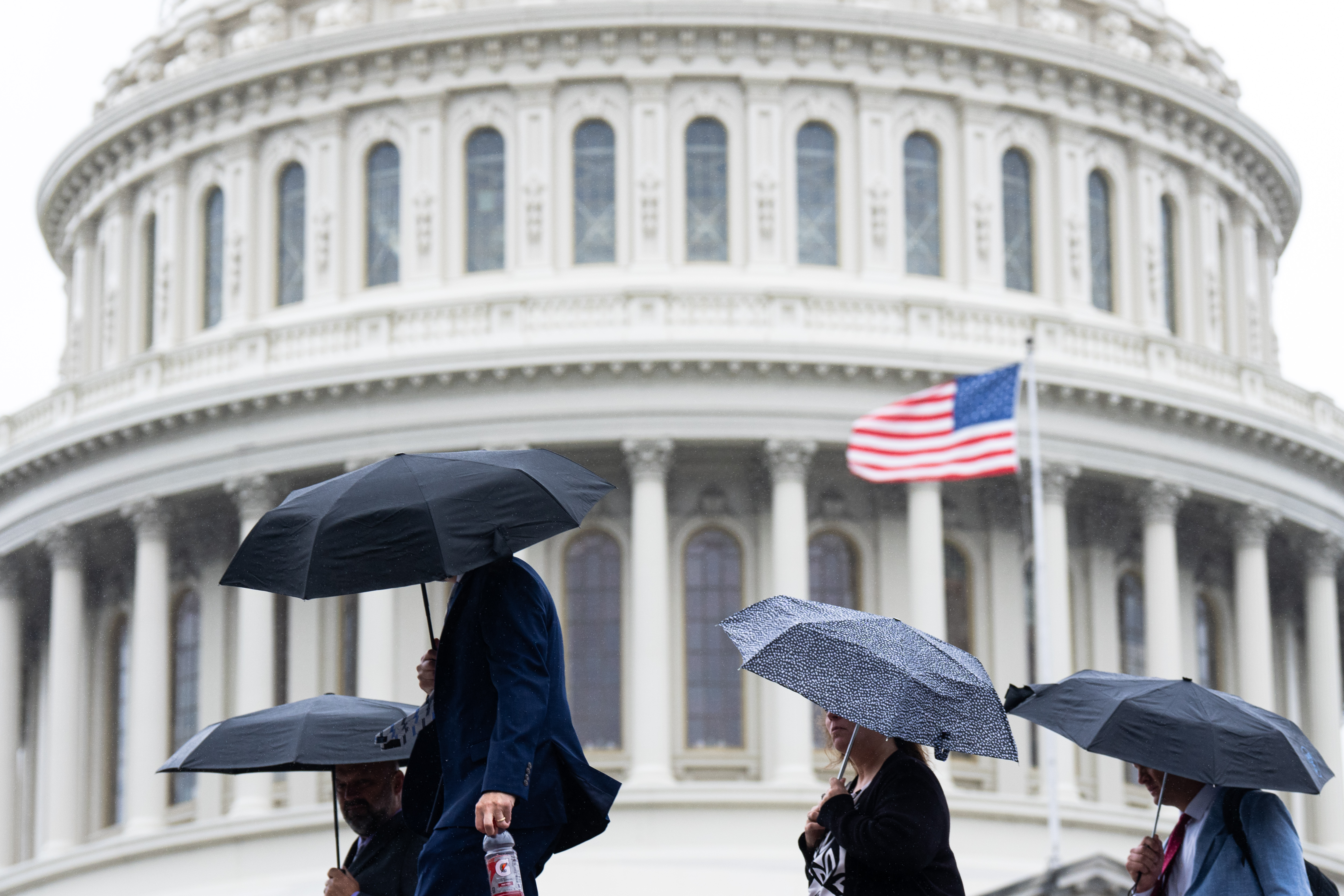
In a move that has reignited debates about transparency and fairness in Washington, the U.S. Senate recently voted to block a bill aimed at restricting stock trading by members of Congress. This decision, occurring just before a pre-election campaigning break, highlights a persistent tension between lawmakers' financial interests and the public's expectation of uncompromised service.
At Azeem USA, we believe in dissecting these critical developments to understand their impact on everyday Americans and the integrity of our institutions. This post will delve into the specifics of the blocked legislation, explore the arguments surrounding it, and consider what this means for the future of political ethics and financial markets.
📑 Table of Contents
1. The Vote: A Familiar Stalemate
The recent legislative session saw two high-profile bills fail to advance in the Senate: one addressing AI data center costs and another, the 'Stop Insider Trading Act,' focused on curbing stock transactions by lawmakers. The latter, crucial for public trust, fell short of the required 60 votes, ultimately failing on a stark party-line tally of 53-47. This outcome was not entirely unexpected, reflecting a recurring pattern where efforts to impose stricter ethical guidelines on congressional financial dealings face significant hurdles.
The blocking of this bill means that the existing framework, which allows members of Congress to trade stocks while possessing access to non-public information, largely remains in place. Critics argue this creates an inherent conflict of interest, potentially allowing lawmakers to leverage their positions for personal financial gain. The failure to pass the 'Stop Insider Trading Act' underscores the deep divisions within Congress on how to address these ethical concerns, leaving many to question the political will to enact meaningful reform.
The Role of Party Lines
The vote's division along party lines is particularly telling. While bipartisan agreement is often touted as essential for effective governance, it appears that when it comes to regulating the financial activities of elected officials, consensus remains elusive. This suggests that the debate is not purely about policy but is also deeply entrenched in partisan politics and the differing priorities of each party.
2. Why the Push for Restrictions?
The impetus behind bills like the 'Stop Insider Trading Act' stems from a growing public perception that members of Congress may be engaged in insider trading. Lawmakers are privy to sensitive information about upcoming legislation, economic trends, and national security matters that can significantly impact market movements. The ability to trade stocks based on this privileged knowledge raises serious ethical questions about fairness and equal access to market opportunities for the average investor.
Advocates for the ban emphasize that public service should be about serving constituents, not enriching oneself through privileged access. They point to numerous instances where lawmakers have made remarkably profitable stock trades shortly before significant market-moving events or policy announcements. This correlation, even without definitive proof of illegal insider trading, erodes confidence in government and fosters cynicism among the electorate. The goal of such legislation is to level the playing field and ensure that elected officials are not perceived as having an unfair advantage.
Protecting the Integrity of Governance
Beyond individual financial gain, the core argument for restricting congressional stock trading revolves around preserving the integrity of democratic institutions. When the public believes that their representatives are prioritizing personal wealth over public duty, it undermines the very foundation of trust upon which a representative democracy is built. Robust ethics rules are seen as essential safeguards against corruption and the appearance of impropriety.
3. Arguments Against the Ban: What We Heard
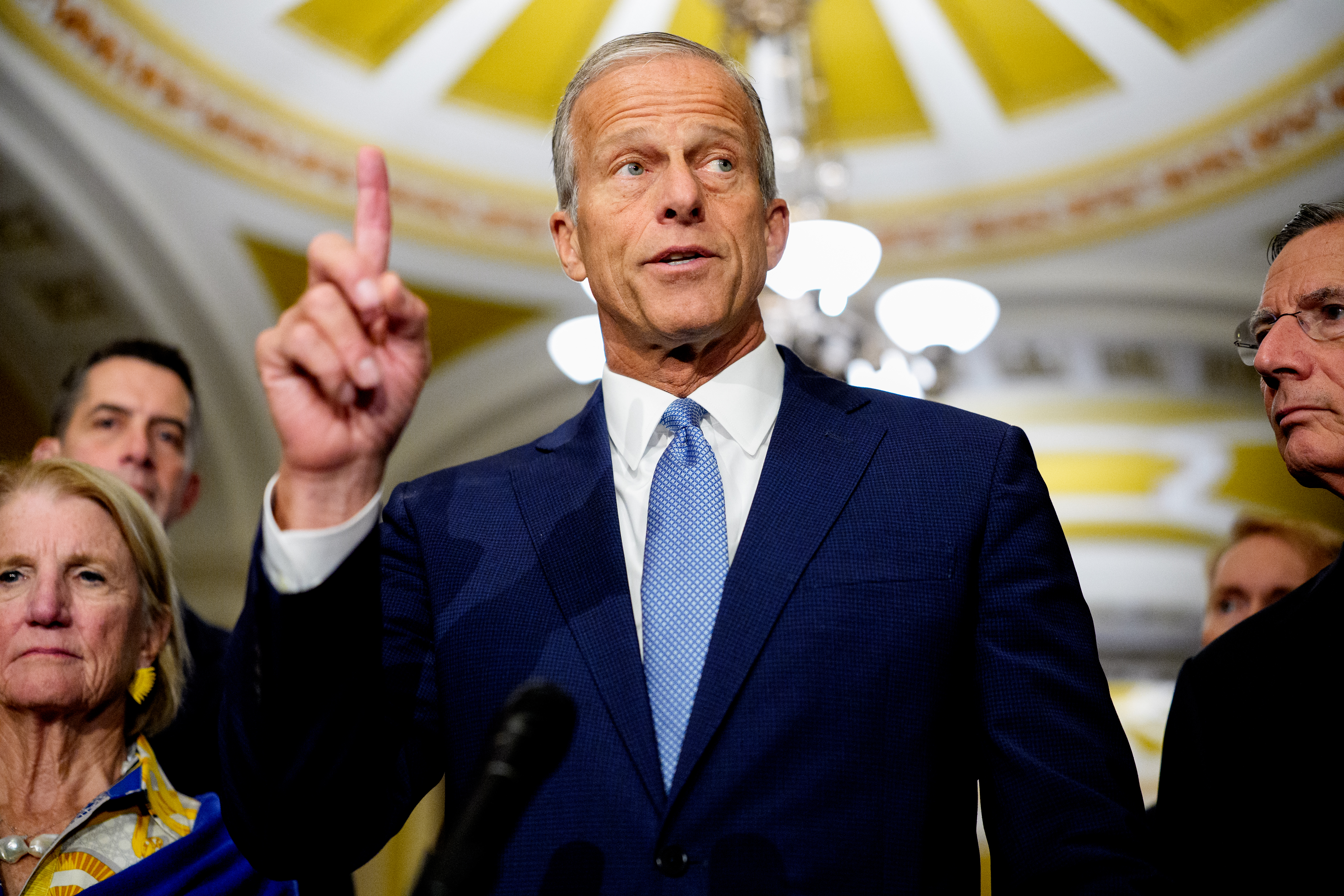
Opponents of the proposed restrictions often raise concerns about infringing upon the financial freedom of elected officials. They argue that members of Congress, like all citizens, should have the right to manage their personal investments. Furthermore, some contend that the existing regulations, such as the STOCK Act of 2012 (Stop Trading on Congressional Knowledge Act), are sufficient and that the focus should be on enforcing these rules rather than creating new ones.
Another line of argument suggests that imposing a complete ban might discourage qualified individuals from running for public office. The financial sacrifices associated with serving in Congress are already significant, and limiting investment opportunities could be seen as an additional deterrent. Proponents of this view believe that transparency and disclosure requirements, rather than outright prohibitions, are the more appropriate mechanism for addressing potential conflicts of interest. They advocate for clearer reporting and stricter enforcement of existing laws.
The Challenge of Enforcement
A key point raised by those hesitant to enact new trading restrictions is the difficulty in definitively proving insider trading. The line between acting on non-public information and making informed investment decisions based on public data or expert analysis can be blurry. Critics of the ban suggest that the focus should instead be on improving the mechanisms for detecting and prosecuting actual instances of illegal insider trading, rather than implementing broad restrictions that could impact legitimate investment activities.
4. The Broader Implications for Public Trust
The failure of the Senate to pass the 'Stop Insider Trading Act' has tangible consequences for public trust in government. When lawmakers are seen to be protecting their ability to trade stocks amidst ongoing scrutiny, it can reinforce a narrative that Washington is out of touch with the concerns of ordinary Americans. This perception gap can fuel voter apathy, distrust in institutions, and a general sense of disillusionment with the political process.
For the average citizen, watching elected officials potentially profit from information unavailable to them is disheartening. It raises questions about whether the system is truly designed to serve the public good or to benefit those in power. The inability to reach a consensus on this issue suggests a disconnect between the ethical standards expected by the public and those upheld by the legislative body itself. This ongoing debate is not just about financial regulations; it's about the fundamental principles of representation and accountability.
The Economic Mirror
The stock market serves as a barometer for economic health and opportunity. When the perception arises that those who shape economic policy also stand to gain disproportionately from market fluctuations, it can distort the public's view of economic fairness. The debate over congressional stock trading is, therefore, intrinsically linked to broader discussions about economic inequality and access to wealth-building opportunities.
5. Looking Ahead: The Future of Ethics in Congress
While the 'Stop Insider Trading Act' did not pass, the conversation surrounding ethical conduct and financial transparency in Congress is far from over. The persistent public demand for greater accountability suggests that this issue will likely resurface in future legislative sessions. Lawmakers may face continued pressure from constituents, watchdog groups, and media outlets to address the potential for conflicts of interest stemming from their stock trading activities.
Ultimately, the path forward will likely involve a complex interplay of political will, public pressure, and potentially, evolving legal interpretations. Whether future legislative efforts will succeed where this one failed depends on a multitude of factors, including shifts in public opinion, changes in congressional leadership, and the ability of reformers to craft proposals that can garner broader support. The quest for a more ethical and transparent government is an ongoing endeavor, and the recent Senate vote serves as a significant marker in that continuous journey.
The Evolving Landscape of Regulation
The debate over regulating lawmakers' stock trades is part of a larger trend towards increased scrutiny of financial practices across various sectors. As financial markets become more complex and interconnected, the need for robust ethical frameworks becomes ever more critical. The challenge for Congress is to navigate these complexities in a way that upholds public trust while allowing for effective governance and personal financial well-being.
🔥 Stay informed on critical financial and political news by following Azeem USA.
Conclusion
The recent failure of the Senate to advance legislation restricting stock trading by members of Congress is a significant development that raises crucial questions about ethics, transparency, and public trust. While the bill did not garner enough support to move forward, the debate it sparked is vital for a healthy democracy.
As we continue to monitor these developments, it's clear that the push for greater accountability in Washington is ongoing. The public's demand for fair and ethical representation remains a powerful force, and the actions of lawmakers will undoubtedly be scrutinized in the lead-up to future elections and legislative sessions.
❓ FAQ
What was the bill that the Senate blocked?
The Senate blocked the 'Stop Insider Trading Act,' which aimed to restrict stock trading by members of Congress due to potential conflicts of interest.
Why is restricting congressional stock trading a concern?
Lawmakers have access to non-public information that could influence stock prices, leading to concerns about unfair advantages and insider trading, which erodes public trust.
What were the arguments against the bill?
Arguments included protecting lawmakers' financial freedom, the sufficiency of existing laws like the STOCK Act, and concerns that a ban could deter qualified individuals from public service.
How does this decision affect public trust?
The failure to pass the bill can reinforce perceptions of ethical shortcomings in government, potentially decreasing public trust and increasing cynicism towards political institutions.
Will there be future attempts to restrict congressional stock trading?
Given the ongoing public concern and the recurring nature of this debate, it is likely that similar legislative efforts will be proposed in the future.
Comments
Post a Comment