80,000+ Homes Lose Power as Massive Nor'easter Hits East Coast 📸 Image Credit: yahoo.com By Azeem-USA · Sat Sep 26 2026 English (en-US) The East Coast is currently bearing witness to the raw power of nature as a formidable nor'easter batters the region. With a path of destruction stretching from the Carolinas up through to southern New England, the storm has left tens of thousands in the dark and paralyzed critical logistical networks across the United States. In this in-depth analysis, we examine the extent of the current crisis, the specific regions hit hardest, and what this event reveals about the vulnerability of coastal infrastructure to extreme weather patterns. 📑 Table of Contents The Scale of the Nor'easter Disaster Power Outages and Regional Infrastructure Strain Coastal Flooding and Environmental Hazards Travel Chaos and Economic Impact Preparedness and Future Climate Resilience FAQ #weather news #nor'easter #power o...

🚨 Breaking News Analysis

In a jarring statistical divergence, the United States has achieved a historic high in household income and a decline in its overall poverty rate, according to a newly released US Census Bureau report. However, this national progress masks a deeply troubling trend: poverty among Americans aged 65 and older is on the rise, a stark exception to the broader economic narrative.
This analysis dives into the critical data, exploring the alarming jump in elder poverty, understanding the contributing factors, and assessing the profound implications for millions of older Americans and the nation's social safety net.
📑 Table of Contents
1. The Stark Contradiction in Poverty Data
The latest figures paint a picture of national economic recovery. Household incomes have reached record highs, and the official poverty rate has decreased, signaling a positive shift for many segments of the population. This broad-based improvement would typically be hailed as a triumph of economic policy and growth.
Yet, beneath this aggregate success lies a critical and growing disparity. The US Census Bureau report, when disaggregated by age, reveals that the elderly are being left behind. Poverty among those 65 and older has now risen for five consecutive years, a trend that directly contradicts the national decline.
A Growing Crisis for the Elderly
The scale of the problem is immense. An AARP Foundation analysis of the Census data indicates that poverty among seniors has surged by approximately 45% since 2019. This translates to 10 million older Americans currently living below the poverty line, a significant increase from the 5.1 million recorded just seven years ago. This demographic now exhibits the highest poverty rate of any age group in the country.
2. Decoding the Senior Poverty Surge
Several factors are likely contributing to this alarming trend. A primary driver appears to be the inadequacy of retirement income sources, particularly Social Security, which forms the bedrock of financial security for many seniors. While Social Security benefits have seen some adjustments for inflation, they may not be keeping pace with the rising costs of healthcare, housing, and essential goods, especially for those with limited savings or pensions.
Furthermore, the erosion of traditional pension plans over the past few decades means fewer seniors have a guaranteed, stable income stream beyond Social Security. This forces a greater reliance on personal savings, which may have been depleted by economic downturns, unexpected medical expenses, or longer lifespans than anticipated when retirement plans were made.
The Impact of Inflation and Healthcare Costs
Recent inflationary pressures have disproportionately affected seniors, whose fixed incomes are less flexible. The cost of living, particularly for prescription drugs and long-term care services, has risen sharply, consuming a larger portion of their limited budgets. Many seniors are forced to make difficult choices between essential needs, such as food, utilities, and vital medical treatments.
3. Why This Outlier Matters
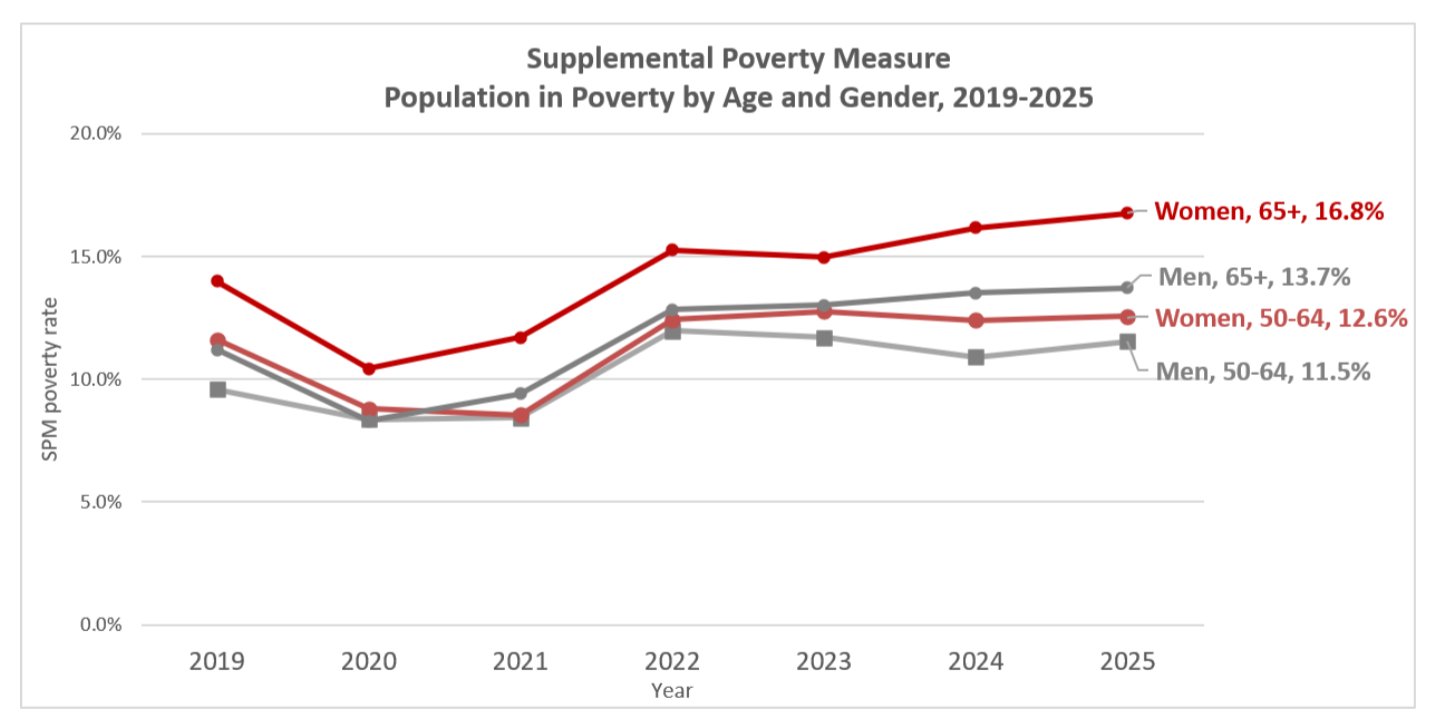
The rising poverty rate among seniors is not merely a statistical anomaly; it represents a profound societal failure and a looming crisis. These are individuals who have contributed decades to the workforce and society, and their current economic hardship is a direct indictment of the systems designed to support them in their later years.
This trend challenges fundamental assumptions about retirement security in America. It suggests that current safety nets, including Social Security and Medicare, may be insufficient to protect a growing segment of the elderly population from destitution. The implications extend beyond individual hardship, potentially straining community resources, healthcare systems, and the broader economy.
Implications for Social Security and Healthcare
The data raises urgent questions about the long-term solvency and adequacy of Social Security. If the program is failing to prevent widespread poverty among its beneficiaries, significant reforms may be necessary. Similarly, the increasing number of seniors requiring publicly funded healthcare and long-term care services could place unsustainable pressure on Medicare and Medicaid.
4. Stakeholder Reactions and Implications
Advocacy groups for seniors and anti-poverty organizations have expressed alarm and frustration. They are calling for immediate policy interventions, emphasizing the need to strengthen Social Security benefits, increase access to affordable healthcare and prescription drugs, and expand programs that provide direct financial assistance to low-income seniors.
Policymakers are now confronted with a difficult balancing act. While celebrating the overall decline in poverty, they must address the specific vulnerability of the elderly. This may involve bipartisan efforts to reform retirement security programs or implement targeted relief measures. The political implications are significant, as older Americans represent a crucial voting bloc, and their economic well-being is a matter of national concern.
Economic and Social Ramifications
The economic fallout from increased elder poverty could be substantial. Seniors struggling financially may delay or forgo necessary medical care, leading to more severe health conditions and higher long-term costs. They may also be forced to continue working longer than desired, potentially displacing younger workers or working in physically demanding jobs. Socially, this trend risks undermining the dignity and security that older Americans should be afforded.
5. The Road Ahead for America's Seniors
The most pressing question is what happens next. The US Census Bureau's findings serve as a critical wake-up call, demanding a comprehensive review of retirement security policies. Analysts suggest that a multi-pronged approach is needed, involving adjustments to Social Security benefits, measures to control healthcare costs, and policies that encourage robust retirement savings.
Urgent attention must be paid to ensuring that the economic gains seen elsewhere in the population do not come at the expense of the nation's oldest and most vulnerable citizens. Failure to act decisively could lead to a growing crisis of elder poverty, with devastating consequences for millions and for the fabric of American society.
What to Watch For
Eyes will be on Congress and federal agencies to see if they propose legislative solutions or policy changes aimed at addressing senior poverty. The ongoing debate around Social Security reform and healthcare affordability will likely intensify. Furthermore, states may explore their own initiatives to supplement federal support for low-income seniors. Public awareness and advocacy will be crucial in driving these necessary changes.
🔥 Follow Azeem USA for ongoing analysis as this critical story develops.
Conclusion
The latest US Census Bureau report presents a stark paradox: national poverty rates are falling, but the elderly population is experiencing a significant and sustained increase in poverty. Ten million seniors are now living in poverty, a figure that has climbed dramatically since 2019 and represents the highest rate among all age groups.
The coming months will be critical for understanding how policymakers respond to this growing crisis. Continued monitoring of Social Security adequacy, healthcare costs, and the effectiveness of retirement savings programs will be paramount. The nation must ensure that its promise of security in old age is upheld for all its citizens.
❓ FAQ
What is the overall poverty rate trend in the US?
The overall poverty rate in the US has fallen, with household incomes reaching a record high according to the latest US Census Bureau report.
What is the poverty trend for seniors (65+)?
Contrary to the overall trend, poverty among Americans aged 65 and older has risen for five consecutive years and has jumped approximately 45% since 2019.
How many seniors are living in poverty?
Approximately 10 million seniors are currently living in poverty, up from 5.1 million seven years ago.
Which age group has the highest poverty rate?
Americans aged 65 and older now have the highest poverty rate of any age group.
What are the likely causes of increased senior poverty?
Likely causes include the inadequacy of Social Security benefits to keep pace with living costs, the decline of traditional pensions, rising healthcare expenses, and recent inflationary pressures.
Comments
Post a Comment