ICE's Secretive Move: Thousands of Detainees Vanish from Public View 📸 Image Credit: yahoo.com By Azeem-USA · Tue Sep 22 2026 English (en-US) In a move that has sent ripples of concern through immigrant communities and legal advocacy groups, U.S. Immigration and Customs Enforcement (ICE) has significantly altered its public-facing detainee tracking system. Thousands of individuals subject to final deportation orders are now conspicuously absent from ICE's online detainee locator. This shift, occurring without prior announcement, raises critical questions about transparency, accountability, and the ability of legal counsel and families to locate and support those in immigration detention. At Azeem USA, we delve into the implications of this development and what it means for individuals navigating the complexities of the U.S. immigration system. 📑 Table of Contents The Unannounced Shift in ICE's Detainee Tracking Impact on Families and...

🚨 Breaking News Analysis

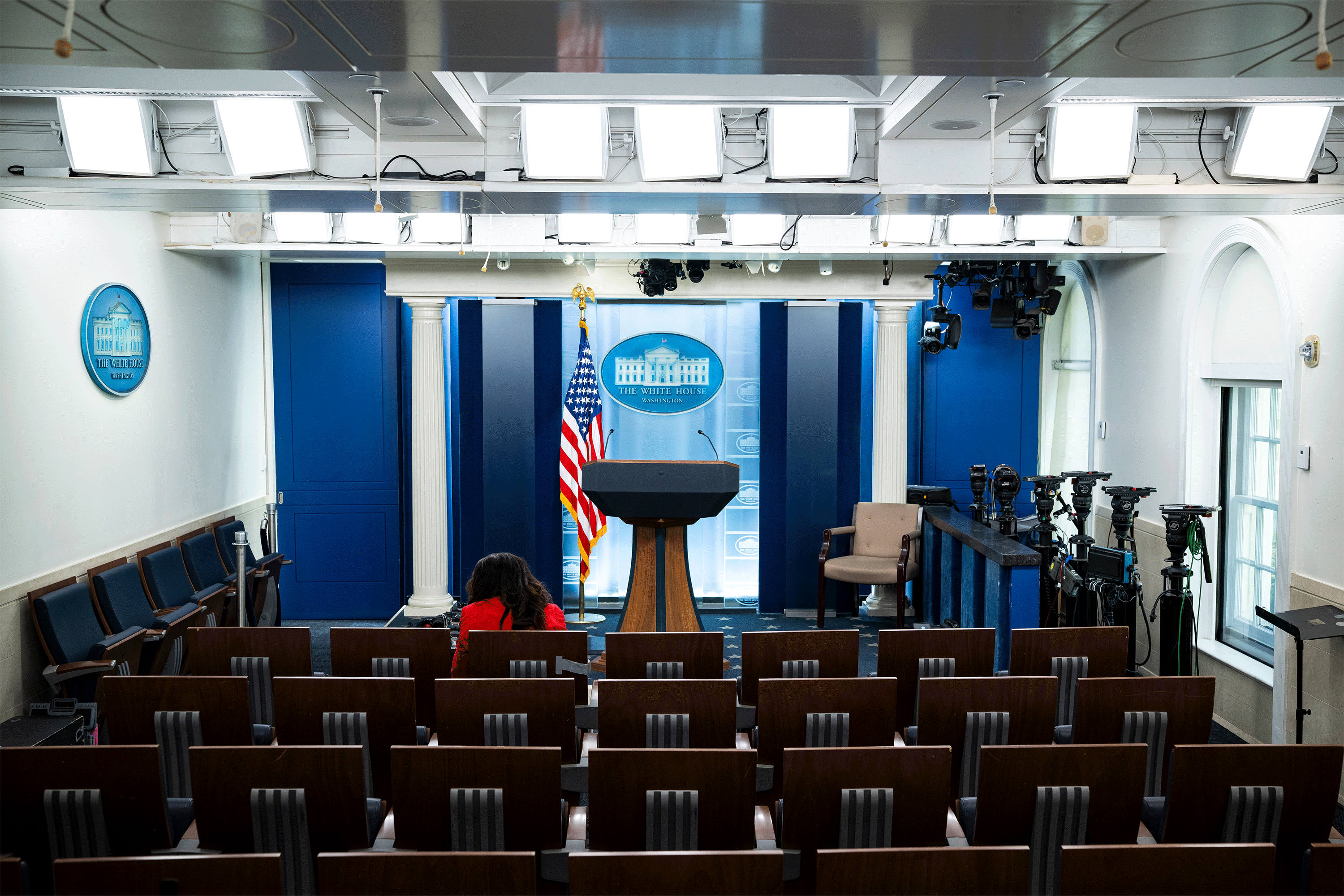
President Trump's administration escalated its war on the press Monday, banning CNN, MS NOW, and Politico reporters from White House press briefings, a move immediately met with significant protest from major broadcast networks.
This analysis dissects the immediate impact of the ban, the unprecedented refusal of major networks to participate in the White House press pool, and the administration's creation of an alternative media platform, examining the implications for press freedom and public access to information.
📑 Table of Contents
1. The Immediate Fallout: A Press Pool Under Siege
The protest began Monday as President Trump’s decision to bar several news organizations from White House access created a ripple effect across the media landscape. In a stark demonstration of solidarity, four major television networks—ABC, CBS, NBC, and Fox News—refused to participate in the White House television pool. This pool is a critical mechanism designed to ensure all Americans have access to visual coverage of presidential events, with a rotating assignment system allowing one network's crew to capture footage and photos for broader distribution.
CNN was scheduled to serve as the television pool for the day's events, including a ribbon-cutting ceremony. By refusing to cover the event under these conditions, the other networks signaled their strong objection to the administration's selective exclusion of journalists. This collective action represents a significant escalation, moving beyond mere verbal condemnation to tangible disruption of official White House media operations.
The Significance of Pool Coverage
The White House press pool system is designed to democratize access. When one network covers an event, its footage and images are typically shared with all other major news organizations. The refusal by ABC, CBS, NBC, and Fox News effectively means that visual documentation of this specific presidential event, normally accessible to millions, would be severely limited or absent for the broader public, absent the targeted outlets.
2. Why This Matters: A Direct Assault on Access
This development is not merely a bureaucratic spat; it represents a direct challenge to the established norms of presidential access and the public's right to information. By targeting specific news organizations, the administration appears to be weaponizing access as a tool to punish unfavorable coverage. This selective exclusion sets a dangerous precedent, potentially empowering future administrations to control the flow of information by arbitrarily barring journalists they deem adversarial.
The refusal of major networks to participate highlights the severity of the perceived threat to journalistic principles. The White House pool is a cornerstone of presidential transparency. Its disruption means a fundamental breakdown in how the public receives unvarnished visual reporting from the executive branch. This is particularly critical at a time when public trust in institutions, including the media, is already fragile.
Undermining the Role of the Press
The ability of journalists to observe, report, and question the president is a vital check on executive power. When access is restricted or conditional, that check is weakened. The administration's actions suggest a strategy to bypass critical scrutiny by controlling the narrative through preferred channels, effectively circumventing independent reporting.
3. The Administration's Counter-Move: 'TRUMP TV'
In a move that underscores the administration's intent to control its own media narrative, the White House launched a live YouTube stream branded “TRUMP TV.” This initiative appears to be a direct response to the media boycott and the administration's ongoing disputes with critical news outlets. The platform is designed to broadcast White House events and messaging directly to the public, bypassing traditional news gatekeepers.
The creation of “TRUMP TV” raises significant questions about the separation between the executive branch and partisan media efforts. While administrations have always sought to communicate directly with the public, establishing a branded, government-produced media channel blurs lines. It offers a controlled environment for the president's message, free from the independent questioning and contextualization that independent journalists provide.
A New Frontier in Information Control
This parallel media channel represents a bold, and for some, alarming, strategy to disseminate information. It allows the White House to present its version of events without the filter of independent reporting. The success and impact of “TRUMP TV” will depend on its reach and public engagement, but its very existence signals a willingness to operate outside traditional journalistic frameworks.
4. Stakeholder Reactions and The Legal Battle
The immediate reaction from media organizations not directly banned has been a mix of concern and solidarity. The decision by ABC, CBS, NBC, and Fox News to withdraw from the pool demonstrates a unified front against what many see as an unacceptable infringement on press access. Beyond the broadcast networks, other news organizations have also voiced their opposition. CNN, MS NOW, and Politico, the directly targeted outlets, have responded by filing a federal lawsuit against the Trump administration. This legal challenge aims to overturn the ban, arguing it violates the First Amendment and administrative procedures.
The lawsuit is a critical component of the response, seeking a judicial remedy where other avenues have failed. Legal experts are closely watching the proceedings, as the outcome could set important legal precedents regarding the executive branch's ability to restrict press access based on content or perceived bias. The administration's defense will likely center on its discretion to manage White House access, while plaintiffs will argue the ban is arbitrary, discriminatory, and unconstitutional.
The Broader Implications of Legal Action
A successful legal challenge could reaffirm the rights of journalists and the public's access to information. Conversely, if the administration prevails, it could embolden future efforts to control media access. This legal battle is therefore not just about specific news organizations; it's about the fundamental principles of press freedom in the United States.
5. What Happens Next: A Divided Media Landscape
The standoff between the Trump administration and several key news outlets is likely to intensify. The refusal of major networks to participate in the pool sets a precedent for future events, potentially leading to continued disruptions in presidential coverage. The administration's reliance on “TRUMP TV” suggests a strategy to bypass traditional media entirely when faced with criticism or unfavorable reporting, creating a bifurcated information environment.
The ongoing lawsuit will be a crucial focal point. Its progress and eventual ruling will shape the immediate future of White House press access. Meanwhile, the public must navigate an increasingly complex media landscape, discerning information from official, controlled channels versus independent, investigative journalism. The long-term consequences for democratic discourse and accountability remain a significant concern as this conflict unfolds.
A Test for American Journalism
This period represents a significant test for the resilience and independence of American journalism. The ability of news organizations to continue their watchdog role, despite escalating pressure and access restrictions, will be paramount in informing the public and holding power accountable. The coming weeks and months will reveal whether the solidarity shown by the networks can endure and whether legal or public pressure can restore full press access.
🔥 Follow Azeem USA for ongoing analysis and updates on this developing story.
Conclusion
President Trump's administration has directly challenged the established norms of press access by banning CNN, MS NOW, and Politico, prompting a boycott of White House pool coverage by major networks and the launch of the administration's own media channel, 'TRUMP TV'. A federal lawsuit has been filed by the banned organizations.
The coming weeks will be critical as the lawsuit progresses and the administration continues its strategy of controlling its media narrative. The public's ability to receive independent reporting from the White House hangs in the balance, making this a pivotal moment for press freedom in the United States. Watch for further developments in the legal challenge and the administration's media strategy.
❓ FAQ
Which news organizations were banned from White House access?
CNN, MS NOW, and Politico reporters were banned from White House access.
How did other networks respond to the ban?
Four major networks—ABC, CBS, NBC, and Fox News—refused to participate in the White House television pool in protest.
What is the White House television pool?
The White House television pool is a system where a rotating group of reporters, photographers, and videographers document presidential public events, with their footage shared among major news organizations.
What legal action has been taken?
CNN, MS NOW, and Politico have filed a federal lawsuit against the Trump administration to challenge the ban.
What is 'TRUMP TV'?
'TRUMP TV' is a live YouTube stream launched by the White House to broadcast its messaging and events directly to the public, bypassing traditional news outlets.
Comments
Post a Comment