Breaking: Trump Voters Warn of Farming 'Survival Mode' Amidst Economic Crisis 🚨 Breaking News Analysis 📸 Image Credit: cbsnews.com By Azeem-USA · Fri Sep 18 2026 English (en-US) A stark warning has emerged from the heartland: American farmers are not just struggling, they are in a state of 'survival mode.' This sentiment, articulated by a North Carolina farmer who previously voted for President Trump, highlights a deepening economic crisis hitting agriculture with unprecedented force. The farmer's testimony underscores the immediate and severe impact of escalating costs for essential inputs like fuel, fertilizer, and equipment, pushing a critical sector of the U.S. economy towards a breaking point. This analysis dives into the immediate crisis, its underlying causes, and what it means for the nation. 📑 Table of Contents The Stark Reality for American Farmers Roots of the Crisis: Inflation and Input Costs Political Implicat...
🚨 Breaking News Analysis
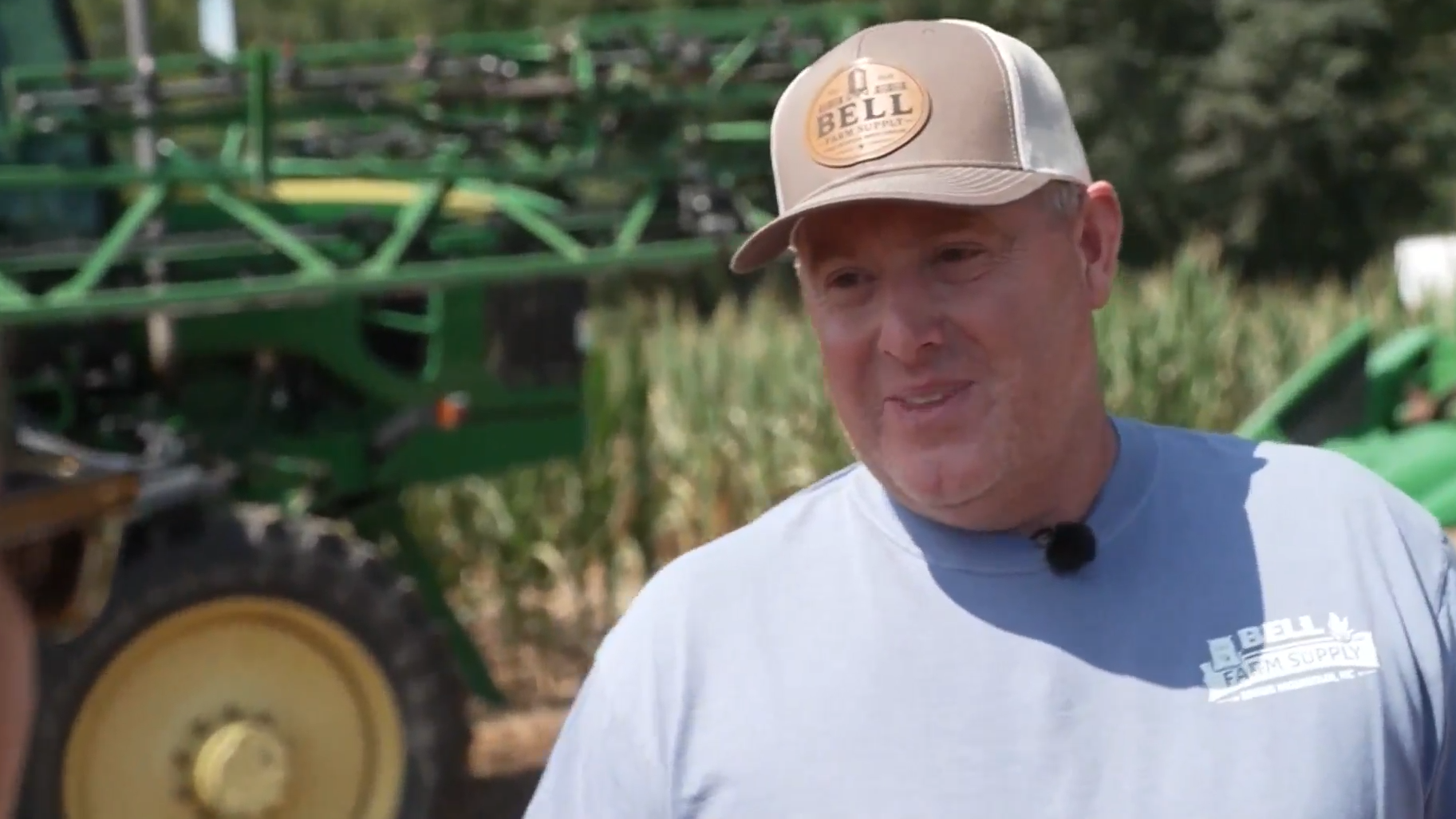
A stark warning has emerged from the heartland: American farmers are not just struggling, they are in a state of 'survival mode.' This sentiment, articulated by a North Carolina farmer who previously voted for President Trump, highlights a deepening economic crisis hitting agriculture with unprecedented force.
The farmer's testimony underscores the immediate and severe impact of escalating costs for essential inputs like fuel, fertilizer, and equipment, pushing a critical sector of the U.S. economy towards a breaking point. This analysis dives into the immediate crisis, its underlying causes, and what it means for the nation.
📑 Table of Contents
1. The Stark Reality for American Farmers
Matt Bell, a 52-year-old farmer from Kings Mountain, North Carolina, has spent over three decades cultivating over 1,000 acres of soybeans, corn, and wheat, alongside raising beef cattle. His recent candid interview paints a grim picture. Bell states he has 'never worried and stressed like I have the last year,' a sentiment that appears to resonate across the agricultural community.
This isn't just about market fluctuations; it's a fundamental challenge to the viability of farming operations. Bell's admission that fellow farmers are contemplating ceasing operations after the current growing season is a critical indicator of distress. His vote for President Trump in the past suggests this is not a partisan issue but a widespread economic affliction impacting those who form the backbone of America's food supply.
A Threat to Livelihoods and Legacy
The weight of generational farming is immense. For individuals like Bell, who have dedicated their lives to the land, the prospect of being unable to continue is devastating. It represents not only a loss of livelihood but potentially the end of a family legacy tied to agriculture, a sector often romanticized but rarely understood in its daily financial precariousness.
2. Roots of the Crisis: Inflation and Input Costs
The core of the current agricultural squeeze lies in the dramatic surge of input costs. Fuel prices, essential for machinery operation and transportation, have climbed steeply. Fertilizer, a non-negotiable component for crop yields, has seen its price skyrocket, driven by global supply chain issues and increased energy costs for production. The cost of farm equipment, from tractors to combines, and the necessary repairs and maintenance, adds another significant layer of financial burden.
These aren't minor cost increases; they represent a substantial portion of a farmer's operating expenses. When these costs inflate dramatically, and the price farmers receive for their produce doesn't keep pace, the profit margins shrink, disappear, or turn into losses. This imbalance is unsustainable for any business, let alone one as capital-intensive and weather-dependent as farming.
Global Factors Exacerbating Local Pain
While domestic economic factors play a role, global events are significantly amplifying the pressure. Geopolitical tensions, such as the conflict in Ukraine, have disrupted global fertilizer markets and energy supplies. International trade policies and tariffs, while sometimes intended to protect domestic industries, can also complicate export markets for American agricultural products, further impacting farm gate prices.
3. Political Implications: A Base Under Pressure

The demographic highlighted by Matt Bell's statement—a farmer who voted for Trump—is particularly significant. This group often forms a core part of the Republican base, typically aligning with policies perceived to support rural economies and traditional values. The current economic hardship experienced by these voters presents a complex challenge for political strategists and incumbents alike.
When a fundamental part of a political coalition expresses severe economic distress, it signals potential shifts in voter sentiment. The frustration and worry Bell describes could translate into dissatisfaction with current agricultural policies or broader economic management, regardless of the administration in power. The promise of agricultural prosperity and support often plays a crucial role in rural elections.
A Call for Action, Not Just Rhetoric
The statement 'all just in survival mode' is more than a description of economic hardship; it's an implicit call for effective policy solutions. Farmers are looking for tangible relief, whether through subsidies, price supports, regulatory adjustments, or initiatives that stabilize input costs. The political response to this crisis could define electoral outcomes in key agricultural states.
4. Stakeholder Reactions and Broader Economic Impact
The concerns voiced by farmers like Matt Bell are echoed by agricultural organizations and economists. Industry groups are actively lobbying for government intervention, highlighting the interconnectedness of the agricultural sector with the wider economy. Beyond the farm gate, rising food prices at the consumer level are an inevitable consequence of increased production costs and reduced farm-level profitability, contributing to overall inflation.
The ripple effect extends to rural communities, where farm income is a significant driver of local economies. Reduced farm spending impacts local businesses, equipment dealers, and service providers. A widespread downturn in agriculture could lead to job losses and economic stagnation in these areas, creating a domino effect that impacts national economic stability.
Consumer Impact and Food Security
For the average consumer, the struggles of farmers translate directly into higher grocery bills. As production costs increase, so too do the prices of staple foods like corn, wheat, soybeans, and beef. In the long term, a sustained crisis could even raise questions about U.S. food security, given the critical role domestic agriculture plays in supplying the nation's food needs.
5. What Happens Next on the Farm Front
The immediate future for farmers hinges on several factors. Government policy will play a crucial role, with potential for emergency aid packages, adjustments to trade policies, or measures to stabilize energy and fertilizer markets. The upcoming growing seasons and the ability of farmers to secure necessary inputs at manageable costs will be paramount.
Analysts will be closely watching for any signs of consolidation in the industry, as smaller or more financially vulnerable farms may be forced to sell or cease operations. The mental and financial toll on farmers is also a significant concern, with implications for the long-term health and resilience of the agricultural workforce. The resilience of the American farmer is being tested like never before.
Monitoring Input Costs and Market Signals
Key indicators to watch include global energy prices, the cost and availability of fertilizers, and the prices farmers receive for their commodities. Consumer demand and international trade dynamics will also shape the landscape. The narrative from North Carolina suggests that the current 'survival mode' is not a temporary blip but a deep-seated challenge requiring sustained attention and action.
🔥 Follow Azeem USA for continued breaking news analysis on this developing story.
Conclusion
The declaration by a North Carolina farmer that American agriculture is in 'survival mode' due to soaring costs for fuel, fertilizer, and equipment is a critical alert. This testimony from a Trump voter underscores the bipartisan economic pressure facing the sector.
What happens next will depend on a complex interplay of global events, domestic policy responses, and market forces. The resilience of American farmers and the stability of the nation's food supply are on the line, demanding urgent attention and strategic solutions.
❓ FAQ
What are the main factors causing the farming crisis?
Soaring costs for fuel, fertilizer, and equipment, exacerbated by global supply chain disruptions and geopolitical events, are the primary drivers.
Why is a farmer who voted for Trump speaking out?
The farmer's testimony highlights that the economic crisis in agriculture transcends political affiliation, affecting core supporters of various parties.
What does 'survival mode' mean for farmers?
It signifies farmers are operating under extreme financial stress, prioritizing basic operational needs and contemplating ceasing operations due to unsustainable costs.
How does this crisis affect consumers?
Increased production costs for farmers inevitably lead to higher food prices for consumers at the grocery store.
What are potential solutions to the farming crisis?
Potential solutions include government aid, stabilization of input markets, adjustments in trade policy, and support for rural economies.
Comments
Post a Comment