Saudi Arabia's Aerial Threat Alert: What You Need to Know 📸 Image Credit: yahoo.com By Azeem-USA · Sat Sep 19 2026 English (en-US) In a significant development that has sent ripples across the Middle East and beyond, Saudi Arabia recently issued a series of emergency alerts, including for its capital, Riyadh, warning of a "hostile aerial threat." This unprecedented move marks a new chapter in the ongoing, complex regional dynamics, particularly the long-standing conflict involving Houthi rebels. At Azeem USA, we are committed to bringing you clear, authoritative insights into critical global events. This alert signifies a heightened state of readiness and potential danger, underscoring the volatile security landscape of the region. Understanding the implications of this event is crucial for grasping the current geopolitical climate and its potential future trajectory. 📑 Table of Contents Understanding the "Hostile Aerial Threa...
🚨 Breaking News Analysis
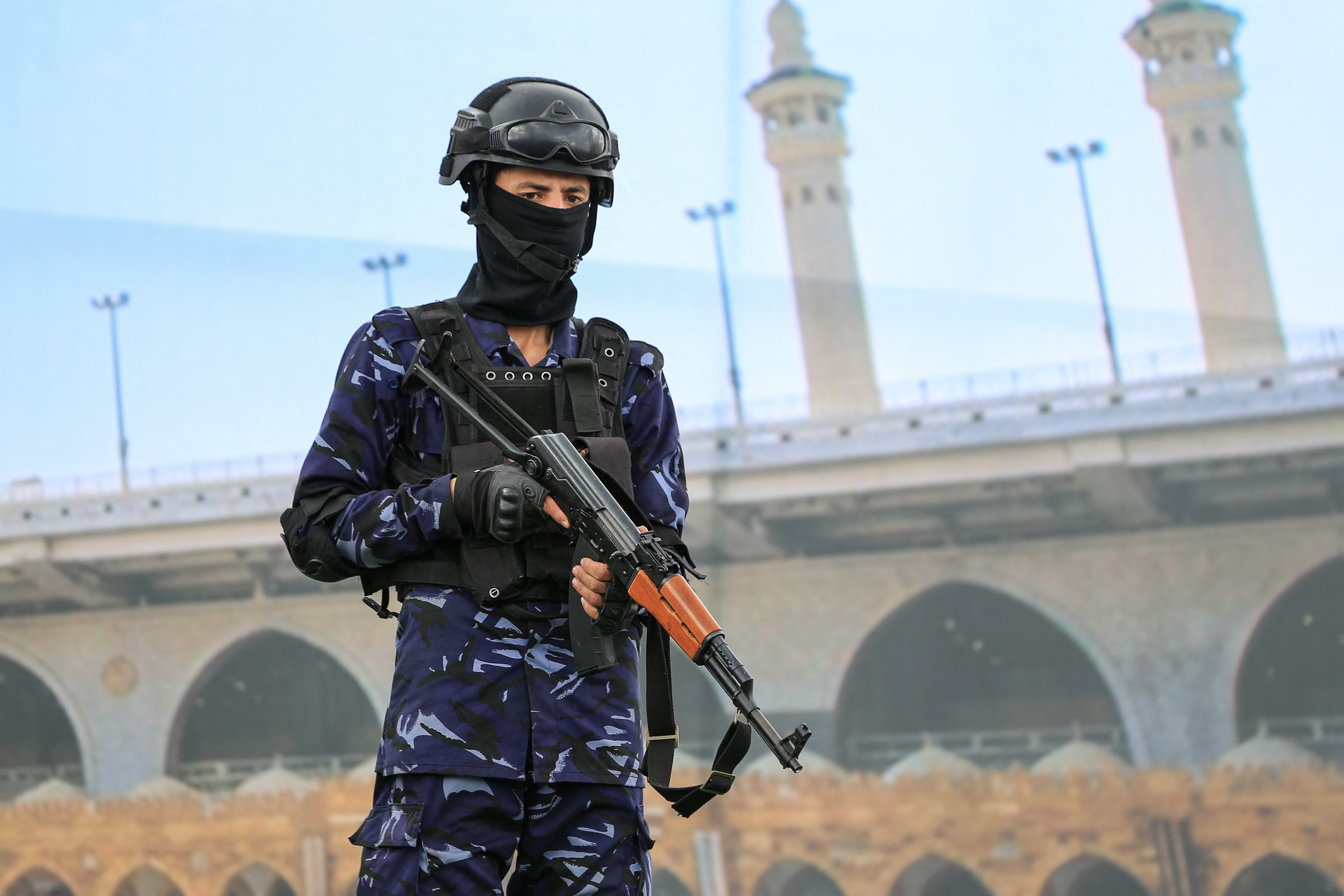
Saudi Arabia issued a stark warning of a “hostile aerial threat” and activated emergency alerts across the kingdom, including its capital Riyadh, late Friday and early Saturday. This marks a significant development, bringing the ongoing regional conflict directly to the heart of the Saudi state.
This analysis will dissect the immediate implications of these alerts, explore the potential actors involved, assess the broader geopolitical context, and project potential future developments in this volatile region.
📑 Table of Contents
1. Emergency Alerts Across the Kingdom
Kingdom-wide emergency alerts blared across Saudi Arabia late Friday and into Saturday, a chilling reminder of the persistent security challenges facing the nation. The issuance of these warnings, particularly in the capital Riyadh, underscores the perceived gravity of the threat. Official statements described a “hostile aerial threat,” a deliberate and alarming designation that points towards a direct and immediate danger from the skies.
The emergency alert system, designed to rapidly inform the public and relevant authorities of imminent dangers, was activated across multiple regions. This broad activation suggests the threat was not localized but potentially widespread or of a nature that required a comprehensive response. Details regarding the specific nature of the aerial threat remain scarce, a common tactic in the immediate aftermath of such incidents to avoid revealing sensitive intelligence or causing undue panic.
Public Safety Paramount
The primary concern in such situations is the safety of civilians. The emergency alerts serve a dual purpose: to warn the public to take shelter and to mobilize defense mechanisms. The swift activation demonstrates a commitment to prioritizing public safety in the face of a tangible aerial danger.
2. The Houthi Factor: A Renewed Threat?
While official statements have been cautious, the immediate context strongly points towards the Houthi rebels in Yemen as the likely source of the “hostile aerial threat.” The Houthis have a documented history of launching drone and missile attacks targeting Saudi Arabia, often aimed at critical infrastructure, military sites, and even major cities. These attacks are part of a protracted conflict that has destabilized Yemen and spilled over Saudi borders for years.
Recent weeks have seen a documented uptick in Houthi activity, raising concerns about a potential escalation. The group has previously demonstrated capabilities to strike deep within Saudi territory, making the alerts in Riyadh a plausible, albeit alarming, development. Analysts are closely monitoring Houthi statements and any claims of responsibility for recent incidents that might align with the timing and nature of the alerts.
Beyond the Houthis?
While the Houthis are the most probable culprit, the possibility of other actors or proxies cannot be entirely dismissed in the complex Middle East theatre. Iran's ongoing support for the Houthi movement, providing both weaponry and expertise, means that any significant escalation could also be viewed through the lens of broader Iran-Saudi tensions. However, the direct targeting or threat against Saudi territory is most directly attributed to the Houthi arsenal.
3. Why This Matters: Regional Stability on the Brink

The activation of aerial threat alerts in Riyadh signifies more than just a security incident; it represents a critical juncture in a long-simmering regional conflict. For the first time, the capital itself has been placed on high alert due to a direct aerial threat, bringing the war in Yemen and the associated regional rivalries directly to the doorstep of Saudi Arabia's governance and economic heartland.
This event has the potential to dramatically alter the geopolitical landscape. It could lead to increased Saudi military responses, potentially widening the conflict. Furthermore, it raises concerns about the effectiveness of regional air defense systems and the growing sophistication of non-state actor weaponry. The economic implications are also significant, as such alerts can disrupt commerce, investment, and global energy markets, given Saudi Arabia's central role in oil production.
Impact on Peace Efforts
The incident directly undermines ongoing, albeit fragile, efforts towards de-escalation and peace in Yemen. A significant escalation following these alerts could derail diplomatic initiatives and push the region further into instability. International partners will be watching closely to see if this event leads to a hardening of positions or a renewed push for diplomatic solutions, however unlikely that may seem in the immediate aftermath.
4. Stakeholder Reactions and Geopolitical Ripples
Official reactions from Riyadh have been measured but firm, emphasizing the need to counter threats to national security. The Saudi government is under pressure to demonstrate its ability to protect its citizens and territory, particularly after such a direct alert in its capital. International allies, including the United States and other Western powers, are expected to issue statements of support and condemn the perceived aggression, likely reiterating calls for an end to Houthi attacks.
Conversely, Houthi spokespersons, if they claim responsibility, are likely to frame such actions as a legitimate response to the ongoing blockade and military intervention in Yemen. Iran, a key backer of the Houthis, may offer tacit or explicit support, further fueling regional tensions. The diplomatic fallout could lead to increased sanctions, heightened rhetoric, and a potential reassessment of security alliances across the Middle East.
Oil Market Volatility
The immediate geopolitical ripple effect will be felt in global energy markets. Saudi Arabia is a cornerstone of global oil supply, and any perceived threat to its stability or critical infrastructure can trigger price volatility. Traders and analysts will be scrutinizing any developments for signs of actual damage to oil facilities or shipping lanes, which could have significant economic consequences worldwide.
5. What Happens Next: Monitoring the Escalation
The immediate next steps involve close monitoring of the situation on the ground. Defense forces will remain on high alert, and further aerial incursions or attacks will dictate the severity of the response. Saudi Arabia is likely to conduct internal reviews of its air defense capabilities and potentially retaliate with increased military operations against Houthi targets in Yemen.
Diplomatic channels will be crucial. International efforts to de-escalate will intensify, with key players attempting to mediate and prevent a full-blown regional conflict. The world will be watching for any claims of responsibility, any confirmed interceptions or impacts, and any retaliatory measures taken by Saudi Arabia. The coming days and weeks will be critical in determining whether this incident leads to a further spiral of violence or a renewed push for a lasting peace.
The Shadow of Iran
A key factor to watch will be the extent to which Iran is perceived to be involved or to influence the situation. Any evidence or strong indications of direct Iranian involvement could significantly alter regional dynamics and international responses, potentially leading to a more direct confrontation between Iran and its adversaries.
🔥 Follow Azeem USA for continuous breaking news analysis and updates on this developing story.
Conclusion
Saudi Arabia's capital, Riyadh, has been placed on high alert due to a reported “hostile aerial threat,” a significant development underscoring the persistent dangers from the ongoing regional conflict, likely involving Houthi rebels. The alerts signal a critical escalation, bringing the threat directly to the kingdom's heart.
The coming hours and days are crucial. All eyes will be on Saudi Arabia's response, potential retaliatory actions, and the diplomatic efforts to contain this volatile situation before it spirals further, impacting regional stability and global markets.
❓ FAQ
What exactly happened in Saudi Arabia?
Saudi Arabia issued emergency alerts across the kingdom, including in its capital Riyadh, warning of a "hostile aerial threat" late Friday and early Saturday.
Who is suspected of launching the threat?
While not officially confirmed, the Houthi rebels in Yemen are widely considered the most probable source, given their history of drone and missile attacks against Saudi Arabia.
Why is this event significant?
This is the first time the capital, Riyadh, has been placed on such a high alert due to a direct aerial threat, marking a significant escalation and bringing the conflict directly to the kingdom's core.
What are the potential consequences?
Potential consequences include increased military responses, disruption to regional stability, economic impacts on oil markets, and a setback for ongoing peace efforts in Yemen.
What should we watch for next?
Key developments to watch include Saudi Arabia's response, any claims of responsibility, confirmed interceptions or impacts, and the success of international diplomatic de-escalation efforts.
Comments
Post a Comment