Gate of Tears: The New Flashpoint in the Iran War Conflict 📸 Image Credit: yahoo.com By Azeem-USA · Sun Sep 27 2026 English (en-US) In the vast expanse of the Indian Ocean, a narrow sliver of water holds the fate of global economic stability. Known locally as the Bab el-Mandeb, or the 'Gate of Tears,' this volatile strait has transformed from a regional transit route into the primary flashpoint of the broader Iran war conflict. As tensions rise across the Middle East, the geography of this tiny waterway has become a strategic lever for regional powers and global actors alike. This deep-dive analysis explores why the Bab el-Mandeb is at the center of the storm, the role of Iranian proxies, and what this means for the future of international maritime security. 📑 Table of Contents The Deadly Weight of the Gate of Tears Strategic Importance of the Bab el-Mandeb Strait The Iranian Influence and Proxy Warfare Economic Fallout and the Global Sh...

🚨 Breaking News Analysis
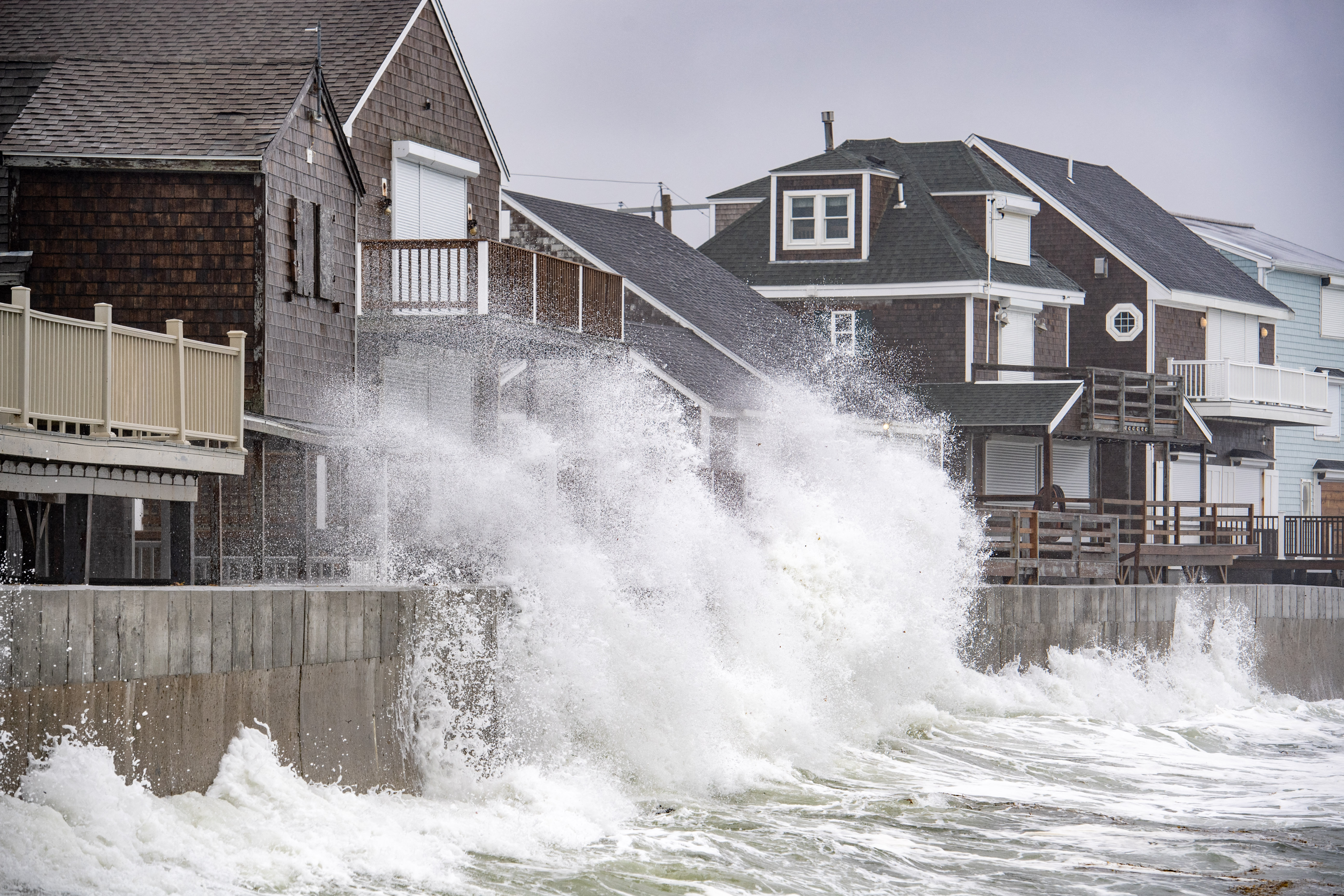
A powerful nor'easter has paralyzed the East Coast this weekend, triggering catastrophic coastal flooding in New Jersey and leaving tens of thousands across the Northeast without power. The storm's combination of extreme storm surges and heavy rainfall has already inundated residential areas from the Carolinas to southern New England.
This analysis examines the current state of the emergency, the vulnerability of the regional power grid, and the broader implications for coastal infrastructure facing intensifying extreme weather events.
📑 Table of Contents
1. The Storm Hits: Immediate Impact and Damage
The scale of the damage reported by Saturday midday is staggering as the nor'easter reached peak intensity. In New Jersey, rising water levels have combined with heavy rain to flood residential streets, rendering major thoroughfares impassable. This is not merely a rain event; it is a surge-hazard event where water levels rose more than three feet above the seasonal norm in critical zones.
Coastal stations recorded wind gusts exceeding 60 mph across Long Island, Cape Cod, and the surrounding islands. These speeds have caused significant structural damage and displaced heavy debris, creating a hazardous environment for emergency responders attempting to reach stranded residents in flooded areas.
Residential Inundation
Residents in low-lying coastal areas are reporting significant losses as water entered homes. The speed of the rise has caught many off guard, making immediate evacuations difficult.
2. Infrastructure Collapse and Power Grid Crisis
According to PowerOutage.us data, approximately 84,600 homes and businesses lost power across five Northeast states by Saturday afternoon. New Jersey, Connecticut, and Long Island emerged as the hardest-hit regions. The combination of high winds and salt spray has downed power lines and damaged transformers, leading to a cascading failure of the electrical grid.
Utility companies are facing a monumental logistical challenge as weather conditions remain unsafe for repair crews. When lines are flooded, standard electrical repairs are impossible, which significantly extends the duration of the outages for thousands of residents.
The Grid Vulnerability
p>This event highlights the aging nature of the Northeast power grid when faced with multi-hazard scenarios involving both wind and water damage simultaneously.3. Why This Nor'easter is Different

While nor'asters are common to the Atlantic coast, the specific trajectory of this storm has amplified the coastal surge. The pressure gradient between the cold land air and the warm Gulf Stream has pushed a massive volume of water toward the shore. This 'pumping action' is what led to water levels far exceeding the historical averages seen in typical winter storms.
Meteorologists note that the rapid intensification of the storm contributed to the intensity of the rainfall. When heavy precipitation meets an already high tide line, the water has nowhere to go, resulting in the inland flooding currently seen in New Jersey neighborhoods and beyond.
Storm Surge Dynamics
The three-foot rise above the norm represents a critical threshold that many coastal drainage systems were simply not designed to handle effectively.
4. Economic and Logistical Fallout
The economic impact extends far beyond the immediate property damage. Over 400 flights were canceled nationwide, with Boston Logan serving as the primary hub of disruption. This has created a ripple effect across the travel industry, leaving thousands stranded and disrupting supply chains that rely on Northeast transit corridors.
Local commerce has also ground to a halt in New Jersey and Connecticut. When roads are flooded, businesses cannot operate, and employees cannot reach workplaces. For many small businesses, the loss of a peak weekend period is a significant financial blow that will be felt long after the water recedes.
Supply Chain Disruption
The paralysis of major transit hubs and coastal ports demonstrates how a regional weather event can de-stabilize logistics across the entire Eastern seaboard.
5. The Outlook: Recovery and Climate Risk
As the storm moves out to sea, the focus shifts from emergency response to recovery. The next several days will be critical for assessing the structural integrity of homes and restoring power to the most vulnerable. However, the recurring nature of such high-impact storms is raising urgent questions about long-term coastal resilience.
Analysts suggest that without significant investment in sea defenses and grid hardening, the frequency and severity of 'extreme' events will continue to rise. This nor'easter serves as a stark reminder of the ongoing threats posed by shifting weather patterns to densely populated coastal corridors.
Long-Term Strategy
p>The recovery phase will likely spark political debate over flood insurance reform and funding for infrastructure upgrades to prepare for the next major coastal event.🔥 Follow Azeem-USA for real-time updates as the recovery efforts continue.
Conclusion
The nor'easter has caused widespread devastation across the Northeast, with New Jersey facing the brunt of flooding and over 84,000 power outages. The storm has exposed critical vulnerabilities in regional transportation, energy, and coastal infrastructure.
What to watch next is the speed of power restoration and the final assessment of property damage as water levels begin to recede.
❓ FAQ
How many people are without power?
By midday Saturday, approximately 84,600 homes and businesses were without power across five states.
Which states were hit the hardest?
New Jersey, Connecticut, and Long Island were reported as the most heavily impacted by power outages and flooding.
How many flights were canceled?
Over 400 flights were canceled nationwide, with most occurring at Boston Logan Airport.
How high did the water rise?
Water levels rose more than 3 feet above the norm in several coastal areas.
Is the storm over?
The storm is currently moving out to sea, but recovery and power restoration efforts are just beginning.
Comments
Post a Comment