Major Networks Sue Trump Over White House Pool Coverage Bans 📸 Image Credit: yahoo.com By Azeem-USA · Mon Sep 21 2026 English (en-US) The relationship between the White House and the national press has reached a volatile breaking point. Following a controversial move to revoke the credentials of specific journalists, major news organizations have sent shockwaves through the political landscape, sparking a legal battle that could redefine the very foundations of democratic transparency. In this in-depth analysis, we explore the details of the lawsuit filed by CNN, MSNOW, and Politico, and we examine what this unprecedented conflict means for the future of press freedom in the United States. 📑 Table of Contents The Escalation of Press-Government Tensions The Joint Lawsuit: CNN, MSNOW, and Politico Unite First Amendment Implications and Legal Grounds The Impact on National News and Transparency The Future of White House Media Relations FAQ #Donal...

🚨 Breaking News Analysis
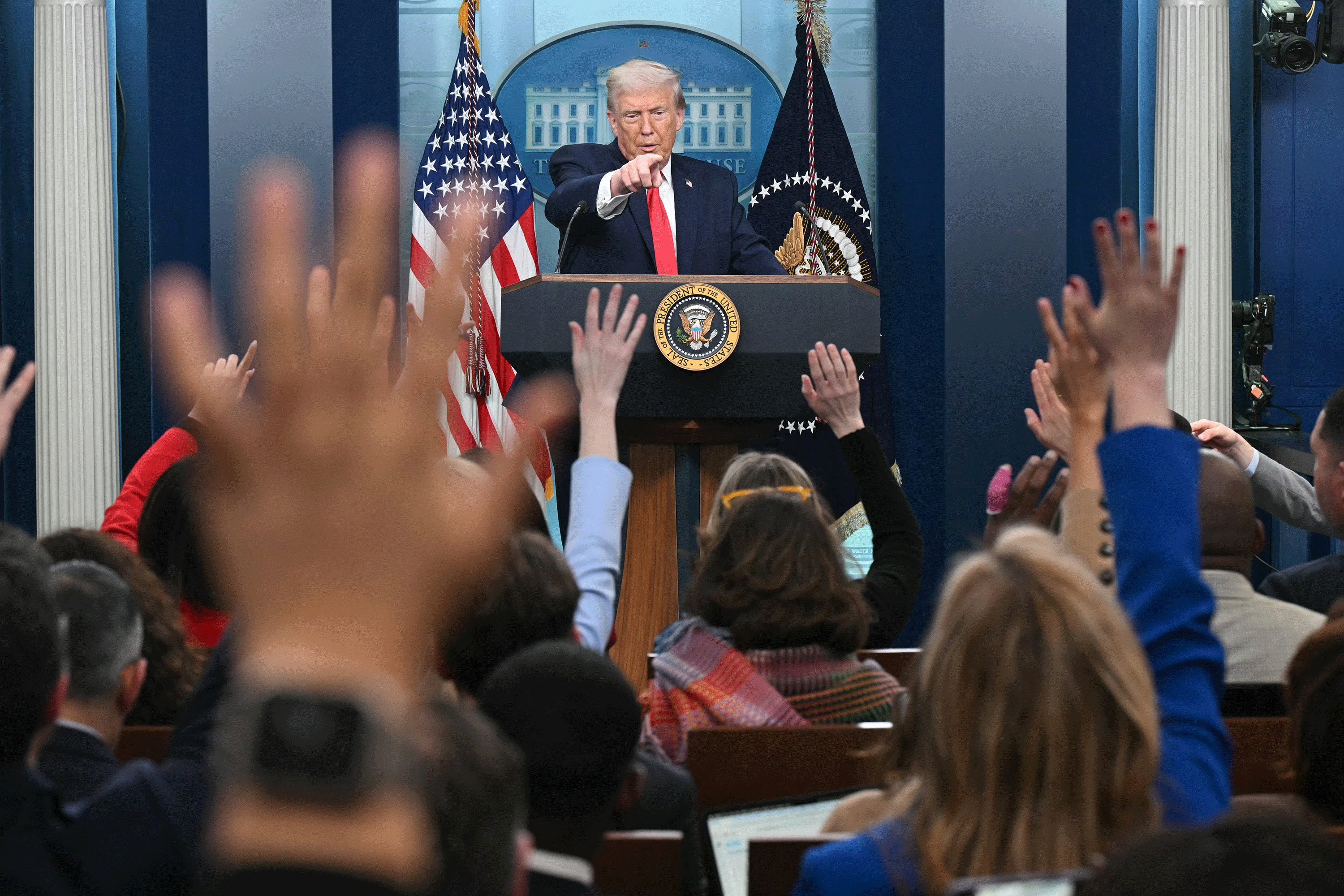
In a dramatic escalation, three major news organizations – CNN, Politico, and MS NOW – have filed a federal lawsuit against President Trump and top advisers, demanding the immediate restoration of revoked White House press credentials. This legal challenge comes after reporters from these outlets were banned from covering White House events last week, a move they decry as a violation of First Amendment rights. The networks have also suspended their participation in the White House pool coverage, a critical mechanism for disseminating news to a wider range of media outlets, signaling a deep rift and a new phase in the ongoing battle over press access.
This development represents a significant moment in the relationship between the Trump administration and the press. The lawsuit and the suspension of pool duties are not merely procedural responses; they are potent statements about the perceived weaponization of access and the fundamental principles of a free press. This analysis will break down the legal arguments, explore the immediate consequences of the pool suspension, and examine the broader implications for journalistic access and accountability in Washington.
📑 Table of Contents
1. The Lawsuit: A First Amendment Challenge
The core of the legal action rests on the First Amendment's guarantee of freedom of the press. CNN, Politico, and MS NOW argue that the White House's decision to revoke their journalists' credentials was arbitrary, lacked due process, and constituted viewpoint discrimination. The joint statement released by the organizations clearly articulated this: "This morning, we notified the government that we are filing a lawsuit today to protect our First Amendment rights and defend the principle that the government does not decide what the press reports or publishes." This framing positions the lawsuit not just as a defense of their own access, but as a defense of a broader journalistic principle.
Legal Basis for the Action
Plaintiffs contend that the White House engaged in a pattern of punishing critical reporting by denying access. The lawsuit seeks an injunction to immediately restore credentials, asserting that the ban infringes upon the public's right to be informed. Legal experts suggest that such cases often hinge on whether the government action is seen as a legitimate regulation of access or an unconstitutional suppression of speech. The absence of clear criteria or a formal process for revoking credentials is a key point of contention for the plaintiffs.
2. Why This Escalation Matters Now
The decision by these prominent news organizations to sue the President and suspend pool coverage marks a significant escalation beyond verbal protests. For weeks, tensions have simmered over what journalists perceive as increasingly restrictive access and a hostile environment. The revocation of credentials for specific reporters, rather than a blanket ban, suggests a targeted action aimed at silencing critical voices. This move by CNN, Politico, and MS NOW signals that they believe they have exhausted other avenues and are prepared for a protracted legal and public relations battle.
The Impact of Pool Suspension
The White House pool is a vital component of how news is gathered and disseminated. It comprises a rotating group of journalists representing various news organizations who have direct access to the White House. When they report, they do so on behalf of the entire press corps, ensuring that even outlets without direct credentials can receive timely information and imagery. By suspending participation, CNN, Politico, and MS NOW are not just boycotting; they are disrupting a system designed for broad information sharing. This could lead to significant gaps in reporting and a less informed public, especially concerning day-to-day White House activities.
3. The White House Response and Justification
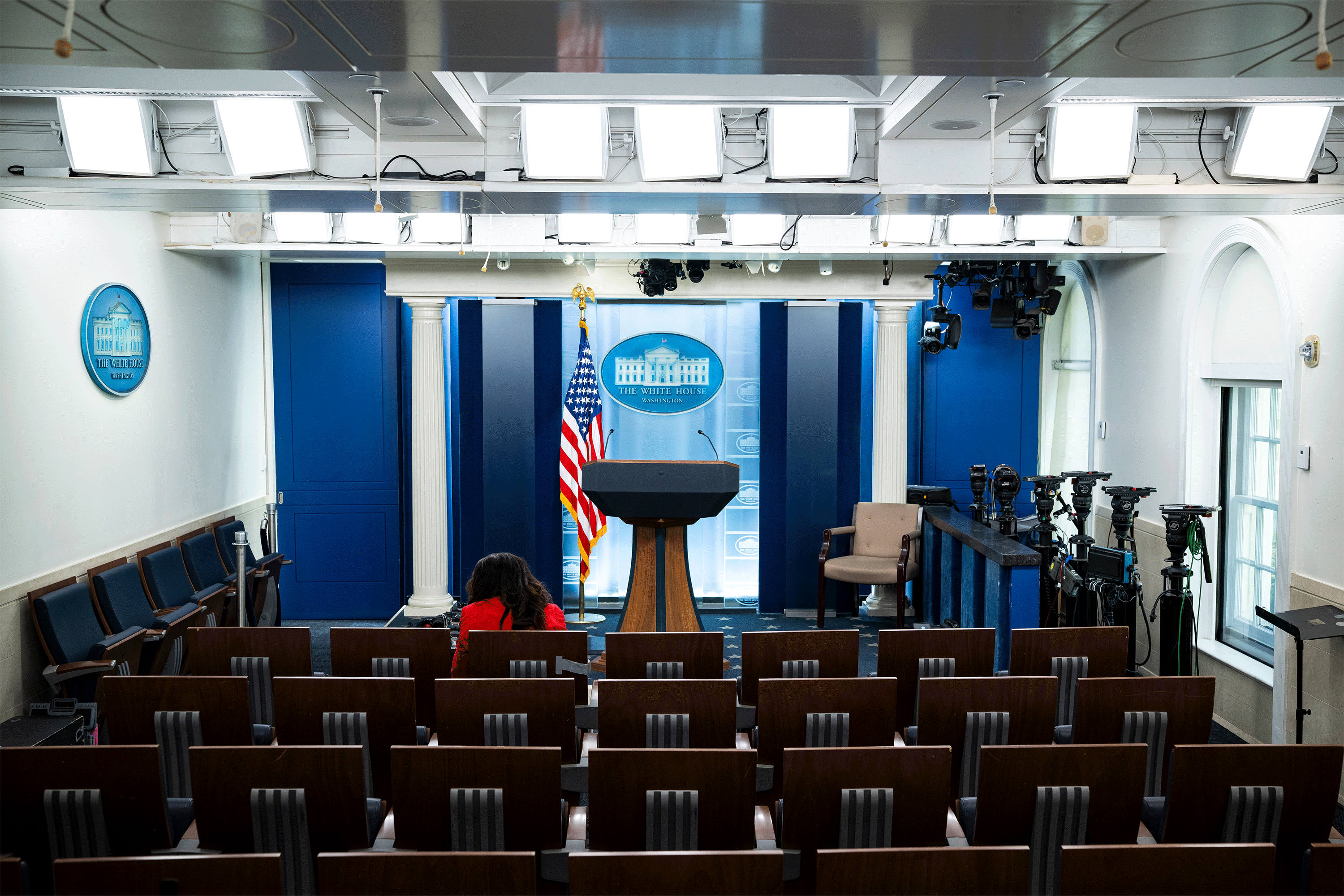
The White House has consistently defended its actions, framing the credential revocations as a response to perceived unfair or disrespectful coverage. Press Secretary Sarah Huckabee Sanders previously stated that the decision was made due to "inappropriate and unruly behavior" during a press conference, a justification that critics have widely dismissed as pretextual. The administration's stance is that it has the right to control access to the White House grounds and to determine who is granted the privilege of covering the President. This perspective views press access as a privilege, not an unfettered right, a stark contrast to the plaintiffs' First Amendment interpretation.
A Pattern of Adversarial Relations
This incident is not isolated but rather a continuation of a deeply adversarial relationship between the Trump administration and a significant portion of the mainstream media. President Trump has frequently labeled critical reporting as "fake news" and "the enemy of the people." The lawsuit and pool suspension, therefore, occur within a broader context of heightened rhetoric and ongoing friction, where access has been used as leverage and perceived journalistic slights are met with punitive measures.
4. Broader Implications for the Press Corps
The lawsuit and pool suspension have profound implications for the entire White House press corps and the future of journalistic access. If the White House prevails, it could embolden administrations to use credentialing as a tool to manage coverage and punish unfavorable reporting, setting a dangerous precedent. Conversely, a victory for the news organizations could reaffirm the importance of due process and First Amendment protections in the context of press access. The solidarity shown by CNN, Politico, and MS NOW in pursuing legal action and suspending pool duties is a significant development, but the question remains whether other organizations will follow suit or if this will create a deeper divide within the press corps itself.
Impact on Public Discourse
The ability of the press to act as a watchdog is fundamentally tied to its access to information and sources. When access is curtailed or weaponized, it can hinder the public's ability to hold power accountable. The current situation risks creating an information vacuum, where reporting on the executive branch becomes more challenging and potentially less comprehensive. This could lead to a public sphere where narratives are more easily controlled, impacting informed democratic participation.
5. What Happens Next: A Legal and Political Showdown
The immediate next steps involve the legal process. The lawsuit will proceed through the federal court system, likely involving motions for preliminary injunctions and potentially lengthy legal arguments. The Trump administration will have to formally respond to the suit, and the judicial system will grapple with the complex interplay between executive authority and First Amendment rights concerning press access. The outcome of this legal battle could have lasting ramifications for how future administrations interact with the press.
Monitoring the Pool Situation
Simultaneously, the White House will need to address the absence of key players from its pool coverage. It is possible that the administration could attempt to negotiate with the plaintiffs, or it might proceed without their participation, relying on other outlets or its own communications channels. The duration of the pool suspension will be a critical factor to watch, as it directly impacts the flow of information. The public should expect further statements from the White House, the involved news organizations, and potentially other media groups as this situation unfolds.
🔥 Follow Azeem USA for continuous updates on this developing story.
Conclusion
The filing of a federal lawsuit by CNN, Politico, and MS NOW against President Trump, coupled with their suspension of White House pool coverage, represents a critical juncture in the ongoing struggle for press access. This action directly challenges the administration's authority to arbitrarily deny credentials, invoking fundamental First Amendment principles. The suspension of pool duties disrupts a core mechanism for broad news dissemination, potentially impacting public awareness.
The coming days and weeks will be defined by the legal proceedings and the White House's response to this unprecedented challenge. Observers will be watching closely to see how the courts rule, whether other news organizations join the fray, and how the administration navigates this new landscape of direct confrontation. This situation underscores the vital role of a free and accessible press in a democratic society.
❓ FAQ
Which news organizations are suing President Trump?
CNN, Politico, and MS NOW are suing President Trump over the White House press ban.
What is the legal basis for the lawsuit?
The lawsuit is based on the First Amendment's guarantee of freedom of the press, arguing that the ban is arbitrary and violates constitutional rights.
What is White House pool coverage?
White House pool coverage involves a rotating group of journalists from various news organizations who have direct access and report on behalf of the entire press corps.
Why have the networks suspended pool coverage?
They have suspended pool coverage in protest of their journalists being banned from the White House and as a means to pressure the administration.
What are the potential implications of this lawsuit?
The lawsuit could set a precedent for how future administrations manage press access and could have lasting effects on First Amendment protections for journalists.
Comments
Post a Comment