Denmark & Greenland Assert Sovereignty: A Strategic Arctic Push 📸 Image Credit: yahoo.com By Azeem-USA · Sat Sep 19 2026 English (en-US) In a significant development shaping the future of Arctic geopolitics, Denmark and Greenland have firmly responded to claims of 'permanent control' by the United States over the strategic island. This response comes in the wake of a new agreement facilitating a substantial US military presence. This post will delve into the nuances of this burgeoning agreement, explore the assertive stance taken by Denmark and Greenland, and analyze the broader implications for sovereignty, international relations, and the critical Arctic region. 📑 Table of Contents The Genesis of a Strategic Partnership Understanding Trump's 'Permanent Control' Ambition Denmark and Greenland's United Front on Sovereignty The Arctic: A New Geopolitical Chessboard Future Implications for Arctic Security and Autonomy F...
🚨 Breaking News Analysis
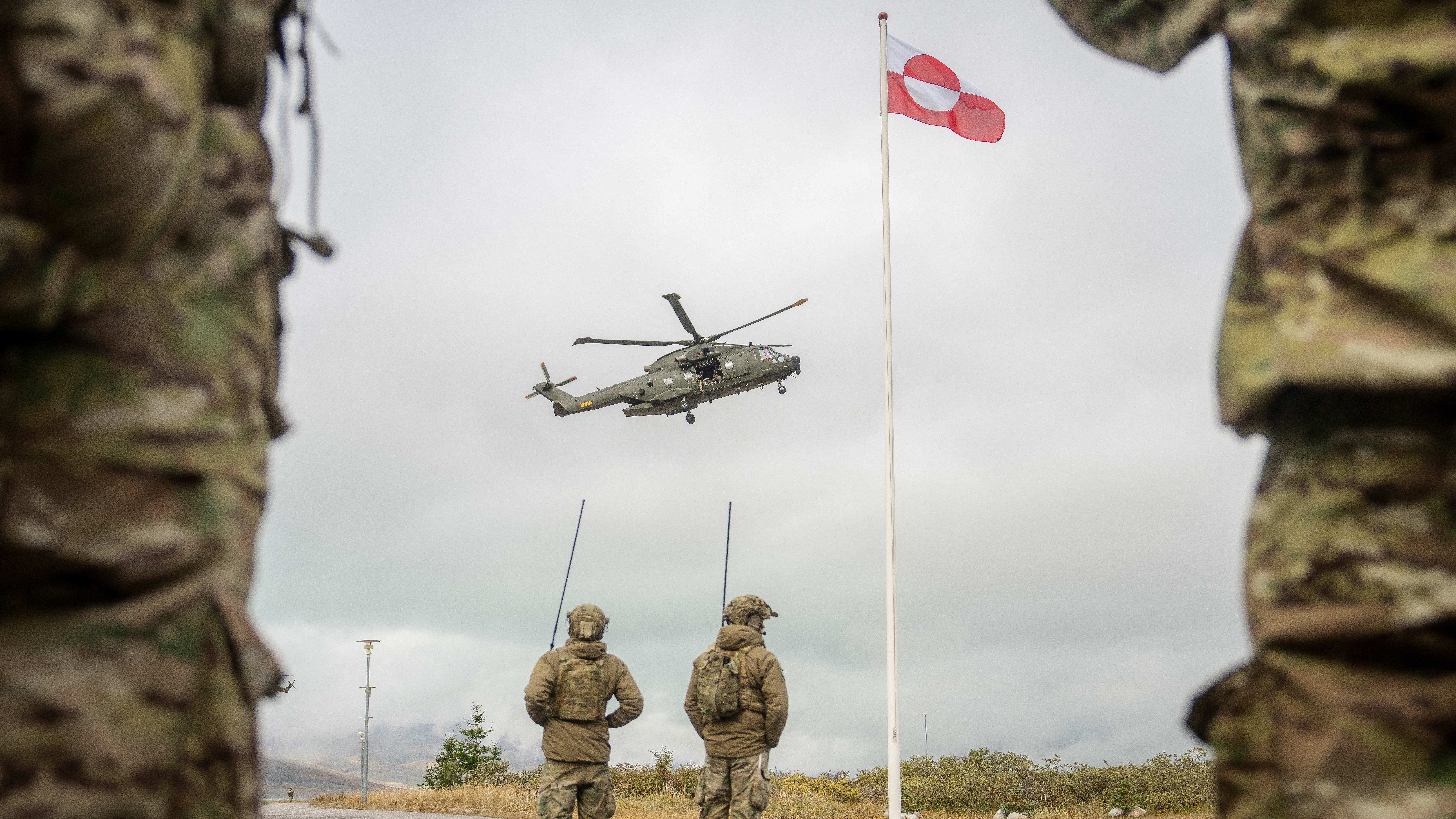
COPENHAGEN, Sept 19 — Denmark and Greenland issued a firm assertion of sovereignty on Saturday, directly pushing back against President Donald Trump's claim of "permanent control" over the Arctic island following a new US military development agreement. The deal, announced late Friday, allows the US to significantly expand its military presence in Greenland, a move that has immediately sparked questions about the precise scope of US influence and the future of Arctic security.
This analysis dissects the core of the dispute, examines the geopolitical implications of the US military expansion in a strategically vital region, and explores the potential fallout for international relations.
📑 Table of Contents
1. The Deal: US Military Buildup Amidst Sovereignty Clarifications
Late Friday, the United States, Denmark, and Greenland announced a significant agreement. It greenlights the development of a substantial US military presence on the Arctic island. Crucially, the pact also includes provisions to prohibit US adversaries from establishing a foothold there. This suggests a strategic move to bolster US influence and security capabilities in a region increasingly eyed by global powers.
However, the joint statement from Copenhagen and Nuuk was swift to add a critical caveat. Any arrangement with Washington, they emphasized, would not compromise Greenland's inherent sovereignty. This clarification directly addresses the ambiguity introduced by President Trump's subsequent remarks, underscoring a commitment to self-determination that has defined Greenland's relationship with Denmark and its burgeoning international engagement.
Scope of Military Presence
Details regarding the exact nature and scale of the expanded US military presence remain scarce. Analysts suggest this vagueness is intentional, allowing for flexibility while potentially masking the full extent of the US's strategic objectives in the region. The prohibition on adversaries building bases is a clear signal of intent to contain perceived threats.
2. Trump's Ambiguous 'Permanent Control' Statement
President Trump's assertion that the deal would grant the US "permanent control" over the Arctic island's security sent immediate ripples through diplomatic channels. This phrasing departed from standard geopolitical language, which typically emphasizes cooperation and mutual agreements rather than unilateral control, especially concerning sovereign territories of allies.
The statement, made in the context of the new military agreement, created a stark contrast with the carefully worded joint announcement. It fueled concerns that the US might be seeking a more assertive, perhaps even dominant, role in Greenland's security affairs, potentially overriding the island's autonomy or Denmark's broader responsibilities.
Sovereignty vs. Security Interests
The core tension lies between the US's stated security interests in the Arctic and the fundamental principle of Greenlandic and Danish sovereignty. Trump's language appeared to prioritize the former, while Denmark and Greenland are signaling that the latter remains non-negotiable. This divergence highlights a potential disconnect in strategic understanding or communication between the parties involved.
3. Why This Matters: Geopolitical Stakes in the Arctic

The Arctic is rapidly transforming from a frozen frontier into a critical geopolitical arena. As climate change opens new shipping routes and access to resources, global powers, including the US, Russia, and China, are increasing their strategic focus on the region. Greenland, due to its size, location, and resources, is a linchpin in this evolving landscape.
A strengthened US military presence, especially one framed by claims of "permanent control," could be interpreted as a move to solidify American dominance and counter the growing influence of other nations, particularly China, which has expressed interest in Arctic development. This dynamic makes any agreement concerning military installations on Greenland a matter of significant international concern.
Arctic Sovereignty Under Pressure
The incident also raises broader questions about the future of sovereignty in the Arctic. For Greenland, which has steadily increased its autonomy, particularly in foreign and security policy, asserting its rights is paramount. The pushback against Trump's remarks demonstrates a resolve to protect its self-governance and ensure that international agreements are consonant with its own strategic interests and those of the Kingdom of Denmark.
4. Reactions and Implications for US-Danish Relations
The swift and unified response from Denmark and Greenland signals a united front in defending their sovereign rights. This coordinated stance is crucial for maintaining the integrity of their bilateral relationship and their standing on the international stage. It suggests a mature diplomatic approach, prioritizing clear communication and the upholding of established principles.
For the United States, the situation presents a delicate balancing act. While seeking to enhance its strategic position in the Arctic, it must do so in a manner that respects its long-standing alliances and the sovereignty of its partners. A failure to do so could strain relations with Denmark and alienate Greenland, potentially creating openings for rival powers.
The Shadow of the Greenland Purchase Idea
This episode inevitably draws parallels with President Trump's earlier, widely rejected, proposal to purchase Greenland. While the current military agreement is distinct, Trump's language about "permanent control" echoes the transactional and acquisitive tone of the purchase idea. This history may be contributing to the heightened sensitivity and the firm response from Copenhagen and Nuuk.
5. What Happens Next: Navigating Arctic Ambitions
The immediate next steps will likely involve further clarification of the US military agreement's scope and limitations. Diplomatic channels will be active as both sides seek to reconcile differing interpretations of the deal and ensure a path forward that respects sovereignty and enhances security cooperation.
Analysts will be closely watching how the US navigates this diplomatic challenge. Will it adjust its rhetoric to align with established norms of allied cooperation, or will it continue with a more assertive stance? The long-term implications for Arctic stability, US influence, and Greenland's evolving role in global affairs hinge on these developments.
Greenland's Strategic Future
Greenland's trajectory is one of increasing self-determination and engagement with the world. This incident underscores its growing confidence in asserting its interests. The island's ability to leverage its strategic location while maintaining its sovereignty will be a defining feature of Arctic geopolitics in the coming years.
🔥 Follow Azeem USA for continuous updates on this developing story.
Conclusion
In summary, Denmark and Greenland have firmly rejected any notion of the US assuming "permanent control" over the Arctic island, despite a new agreement facilitating an expanded US military presence. The clarification emphasizes the non-negotiable nature of Greenland's sovereignty and the Kingdom of Denmark's ultimate authority.
The focus now shifts to diplomatic engagement aimed at precisely defining the terms of the military agreement and ensuring it aligns with mutual respect for sovereignty. Observers will be watching for further statements and actions that could signal the future trajectory of US-Danish-Greenlandic relations and the broader geopolitical dynamics of the Arctic region.
❓ FAQ
What is the core disagreement between Trump and Denmark/Greenland?
President Trump claimed the new US military agreement grants 'permanent control' over Greenland's security, while Denmark and Greenland insist any deal upholds Greenland's sovereignty.
What does the new US-Greenland military agreement entail?
The agreement allows for the development of a significant US military presence on Greenland and prohibits US adversaries from establishing bases there. Specifics remain unclear.
Why is Greenland strategically important?
Greenland's Arctic location is crucial as climate change opens new shipping routes and access to resources. It is a key point for military and strategic interests.
Has the US previously expressed interest in Greenland?
Yes, President Trump previously proposed purchasing Greenland, a suggestion that was widely rejected by Denmark and Greenland.
What are the potential implications of this dispute?
The dispute could strain US-Danish relations and impact the broader geopolitical balance in the Arctic, potentially affecting alliances and the influence of other global powers.
Comments
Post a Comment