Breaking: Pope Leo XIV to Leave Hospital Saturday After Cancer Surgery 🚨 Breaking News Analysis 📸 Image Credit: yahoo.com By Azeem-USA · Sat Oct 17 2026 English (en-US) Pope Leo XIV will be released from the Gemelli Isola Tiberina hospital on Saturday, a mere four days after undergoing surgery for lung cancer. This rapid departure from the clinic, announced by the Vatican, signals a remarkably swift recovery for the 71-year-old Pontiff and allows him to resume his public duties, including delivering the traditional Sunday noon blessing from a window overlooking St. Peter's Square. This analysis will delve into the details of the Pope's diagnosis and surgery, examine the significance of his quick return to public life, explore the Vatican's communication approach, and assess the potential implications for the ongoing papacy. 📑 Table of Contents Pope Leo XIV's Swift Discharge Understanding the Diagnosis and Procedure Why This Ra...


In a nation celebrating record household incomes and a declining overall poverty rate, a somber counter-narrative is emerging for its oldest citizens. While the broader economic picture appears rosy for many, a significant and growing segment of Americans over 65 are finding their golden years tarnished by financial insecurity.
This stark contrast between national economic progress and the escalating poverty among seniors is not just a statistical anomaly; it's a critical social issue demanding immediate attention and thoughtful solutions. Azeem USA delves into this concerning trend, exploring its causes, implications, and potential pathways to a more secure future for our elders.
📑 Table of Contents
1. The Paradox: Falling Poverty, Rising Senior Hardship
The latest US Census Bureau report paints a picture of broad economic improvement, with national household incomes reaching new heights and the overall poverty rate experiencing a welcome decline. This suggests that, for the general population, economic policies and market forces are yielding positive results. However, this positive trend abruptly halts when focusing on a specific demographic: Americans aged 65 and older.
The data reveals a deeply troubling divergence. While the rest of the country sees poverty rates shrink, the poverty rate among seniors has been on a relentless upward trajectory for five consecutive years. This isn't a minor fluctuation; it represents a significant increase, with the rate jumping approximately 45% since 2019. This alarming rise has positioned seniors as the age group experiencing the highest poverty rates, a position no other demographic group currently holds.
The Scale of the Crisis
The numbers are stark and undeniable. An AARP Foundation analysis, drawing from the Census Bureau data, highlights that approximately 10 million seniors are now living below the poverty line. This figure has nearly doubled from just 5.1 million seniors experiencing poverty seven years ago. This dramatic increase underscores the urgency of addressing the economic vulnerabilities faced by our aging population.
2. Unpacking the Numbers: A Stark Demographic Shift
The US Census Bureau's findings are particularly illuminating when examining the granular details of poverty across different age groups. The report consistently indicates a downward trend in poverty for younger demographics, reflecting various support systems and evolving economic opportunities. Yet, the narrative for those in retirement age tells a different story, one of increasing financial precarity.
The data points to a consistent and concerning pattern: the poverty rate for individuals aged 65 and older has not only risen but has surpassed that of all other age brackets. This is a significant departure from historical trends where seniors often benefited from more stable retirement incomes, including pensions and Social Security, compared to younger, more economically volatile populations. The current situation suggests that existing safety nets and retirement planning strategies are failing to keep pace with the rising cost of living and other economic pressures impacting this age group.
A Deepening Divide
The widening gap between the falling national poverty rate and the surging senior poverty rate is a critical indicator of systemic issues. It suggests that the economic gains celebrated nationally are not equitably distributed, particularly leaving behind those who are no longer in the prime of their working lives. This demographic is often reliant on fixed incomes, making them acutely susceptible to inflation and rising healthcare costs.
3. Factors Fueling the Senior Poverty Surge
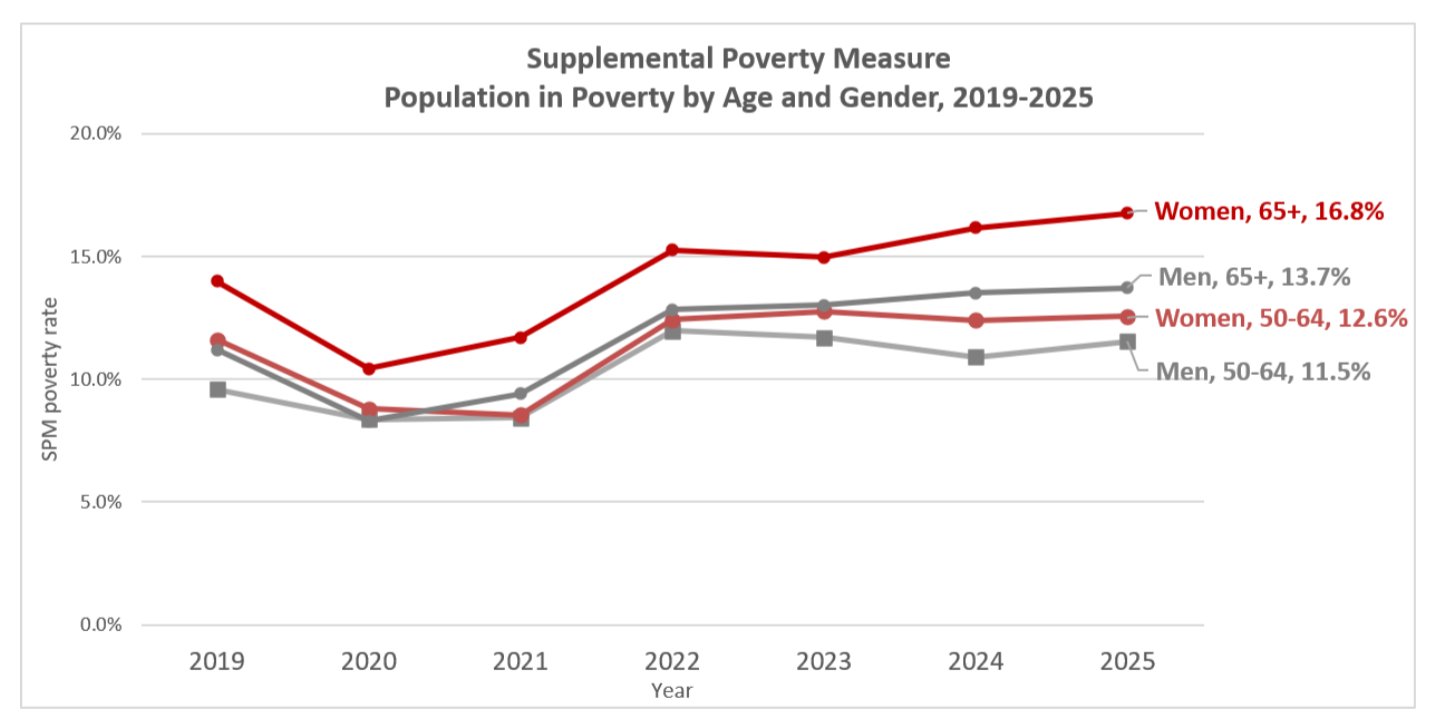
Several interconnected factors contribute to the alarming rise in senior poverty. One of the most significant is the erosion of purchasing power due to inflation. Seniors often live on fixed incomes, primarily derived from Social Security, pensions, and savings. When the cost of essential goods and services—housing, food, utilities, and especially healthcare—outpaces the growth of these fixed incomes, financial hardship becomes inevitable.
Furthermore, the decline in traditional defined-benefit pension plans has left many workers without the guaranteed retirement income that previous generations relied upon. The shift towards defined-contribution plans, like 401(k)s, places more investment risk on the individual. Many seniors may not have accumulated sufficient savings, or their investments may have underperformed, leaving them with inadequate resources for their retirement years. The increasing cost and complexity of healthcare, including prescription drugs and long-term care, also place an immense financial burden on older Americans.
The Social Security Squeeze
Social Security remains a vital lifeline for millions of seniors, but its benefits, while adjusted for inflation, often struggle to keep pace with the actual cost of living, particularly for those in high-cost areas. Insufficient benefit levels, coupled with limited opportunities for supplementary income due to age or health, exacerbate the poverty problem. Many seniors are forced to choose between essential needs, a situation no one should face in their later years.
4. The Ripple Effect: Societal and Economic Consequences
The increasing poverty among seniors has profound implications that extend far beyond the individuals directly affected. Financially strained elders are more likely to experience negative health outcomes, leading to increased demand on healthcare systems and emergency services. They may delay necessary medical treatments or skip medications due to cost, resulting in more severe and expensive health issues down the line. This not only impacts their quality of life but also places a greater burden on public health resources.
Economically, widespread senior poverty can stifle consumer spending. Seniors who are struggling financially have less disposable income, which can negatively affect businesses and the broader economy. Furthermore, it can increase reliance on social assistance programs, straining government budgets. The issue also creates intergenerational challenges, as adult children may be forced to provide financial support, impacting their own financial stability and ability to save for their futures.
Erosion of Dignity and Security
Beyond the tangible economic and health impacts, the rise in senior poverty erodes the dignity and security that should accompany the later stages of life. It can lead to social isolation, as seniors may be unable to afford social activities or transportation. The constant worry about meeting basic needs can take a significant psychological toll, leading to increased stress, anxiety, and depression.
5. Charting a Course: Solutions and the Path Forward
Addressing the growing crisis of senior poverty requires a multi-faceted approach involving policy changes, individual planning, and community support. Strengthening Social Security is paramount. This could involve measures to ensure benefits keep pace with the true cost of living, potentially through adjustments to the cost-of-living adjustment (COLA) formula or increased benefit levels for the lowest earners. Expanding access to affordable housing, healthcare, and prescription drugs is also crucial. Policies that cap healthcare costs or increase subsidies for Medicare and prescription drug plans can provide significant relief.
Encouraging and facilitating robust retirement savings is another key area. This could include incentives for individuals to save more, expanding access to retirement plans for workers whose employers do not offer them, and exploring options for guaranteed income streams in retirement, such as annuities, that are more accessible and secure. Financial literacy programs targeted at pre-retirees and current seniors can also empower individuals to make more informed decisions about their finances and navigate available resources.
Community and Advocacy
Local communities and non-profit organizations play a vital role in supporting seniors. Expanding access to meal programs, transportation services, and social engagement activities can alleviate hardship and combat isolation. Advocacy groups like the AARP Foundation are instrumental in raising awareness and lobbying for policy changes that protect and support older Americans. Ultimately, ensuring that our seniors can live their retirement years with dignity and financial security is not just a matter of economic policy; it is a reflection of our societal values.
🔥 Learn more about financial planning for seniors and how you can advocate for change.
Conclusion
The current economic landscape presents a stark paradox: while the nation makes strides in reducing overall poverty, a significant and growing number of our senior citizens are falling behind. The escalating senior poverty rate is a critical issue that demands our attention, challenging the notion that retirement guarantees security.
As we move forward, it is imperative that policymakers, communities, and individuals work collaboratively to implement sustainable solutions. Strengthening social safety nets, ensuring adequate retirement incomes, and making essential services like healthcare and housing more affordable are vital steps. By addressing this challenge head-on, we can strive to ensure that the golden years are truly golden for all Americans, marked by dignity, security, and well-being.
❓ FAQ
What is the current poverty rate for Americans over 65?
According to recent reports, the poverty rate for Americans aged 65 and older has risen significantly, with approximately 10 million seniors living below the poverty line.
How has the senior poverty rate changed since 2019?
The poverty rate among seniors has jumped roughly 45% since 2019, making it the highest rate of any age group.
What are the main reasons for the increase in senior poverty?
Key factors include the rising cost of living, inflation outpacing fixed incomes (like Social Security), the decline of traditional pensions, and high healthcare expenses.
Are Social Security benefits sufficient for seniors?
While Social Security provides a crucial safety net, its benefits often struggle to keep pace with the actual cost of living, especially for those with low benefit amounts or living in high-cost areas.
What can be done to address senior poverty?
Solutions include strengthening Social Security benefits, expanding access to affordable healthcare and housing, encouraging retirement savings, and increasing community support services.
Comments
Post a Comment