
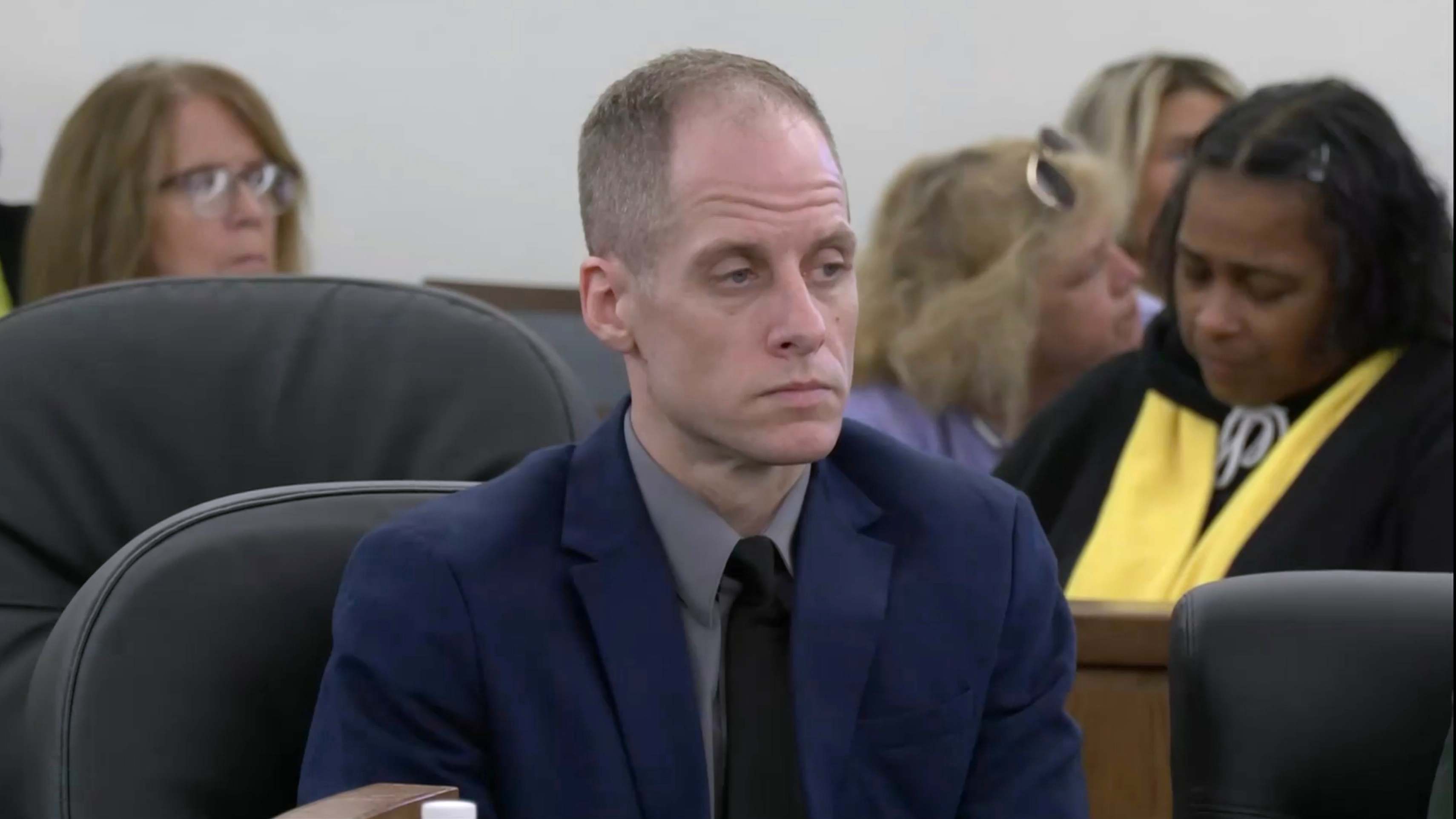
The path to stardom is often fraught with unexpected turns, but few could have imagined the devastating trajectory of Caleb Flynn, a former contestant on the popular reality show 'American Idol'. Once aspiring for the bright lights of musical fame, Flynn's life has taken a dark and tragic turn, culminating in a guilty verdict for the murder of his wife, Ashley Flynn. This case serves as a stark reminder that behind the veneer of celebrity and public life, devastating personal tragedies can unfold.
At Azeem USA, we delve into the complex details of this high-profile case, examining the events that led to Ashley Flynn's untimely death, the subsequent investigation, and the trial that has now concluded with a definitive judgment. Understanding the nuances of such cases is crucial for comprehending the intricacies of the justice system and the profound impact of domestic violence.
📑 Table of Contents
1. The Rise and Fall: From Idol Stage to Courtroom
Caleb Flynn first captured national attention in 2013 when he auditioned for 'American Idol'. His journey on the show, though not reaching the pinnacle of victory, offered him a glimpse of the spotlight and the dream of a career in music. This period, characterized by hopeful performances and aspirations, stands in stark contrast to the grim reality that would later define his life. The public persona of a budding artist seeking a national platform is now overshadowed by the severe accusations and eventual conviction of murder.
The narrative of Flynn's life took a sharp, irreversible turn on the night his wife, Ashley Flynn, was killed. What began as a seemingly ordinary evening at their Ohio home transformed into a scene of unimaginable violence. The transition from a contestant seeking fame to a convicted murderer is a profound and disturbing arc, highlighting the unpredictable nature of life and the severe consequences of actions taken behind closed doors.
A Glimpse of Ambition
Flynn's appearance on 'American Idol' represented a moment of hope and ambition, a chance to pursue a dream that many aspire to but few achieve. The show, known for launching careers, provided him with a platform, however brief, to showcase his talent and connect with a wide audience.
2. The Night of the Tragedy: Conflicting Accounts
The events of the fatal night were presented to the court through a series of testimonies and evidence, painting a picture that was initially obscured by conflicting narratives. Caleb Flynn himself made the initial 911 call, reporting an intruder breaking into their home and fatally shooting his wife. This account immediately placed the investigation on a path to find an external perpetrator, casting a shadow of fear over the community.
However, as investigators delved deeper, inconsistencies began to emerge. The prosecution would later argue that Flynn's initial report was a fabrication, designed to conceal his own involvement in Ashley's death. The details of the crime scene, the sequence of events, and the nature of the injuries sustained by Ashley Flynn became critical points of contention, forming the bedrock of the legal battle that ensued.
The 911 Call
The initial emergency call, a pivotal piece of evidence, detailed Flynn's panicked report of a home invasion and shooting, setting a specific tone for the early stages of the investigation.
3. Evidence Unveiled: Piecing Together the Prosecution's Case

The prosecution meticulously built its case, presenting evidence that they argued pointed directly to Caleb Flynn's guilt. This included forensic findings, witness testimonies, and digital evidence that challenged the intruder narrative. The physical evidence recovered from the scene, coupled with the medical examiner's findings regarding Ashley's injuries, was crucial in refuting Flynn's claims of self-defense or an external attack.
Key to the prosecution's argument was the alleged tampering with evidence, suggesting a deliberate effort to conceal the crime. Charges of aggravated murder, multiple counts of murder, felonious assault, and tampering with evidence underscored the severity of the accusations. The prosecution aimed to demonstrate not just that Flynn caused his wife's death, but that it was a premeditated act, or at the very least, an act carried out with extreme indifference to human life.
Forensic and Digital Footprints
The examination of the crime scene, including ballistics and DNA analysis, along with potential digital communications, played a vital role in reconstructing the events and challenging the defendant's account.
4. The Defense's Strategy and the Jury's Deliberation
Throughout the trial, Caleb Flynn maintained his plea of not guilty, with his defense team working to cast doubt on the prosecution's narrative. They likely focused on challenging the interpretation of evidence, highlighting any procedural missteps, and reinforcing the possibility of an unknown assailant. The defense's strategy would have aimed to create reasonable doubt in the minds of the jurors, a high bar for any defendant facing such serious charges.
The jury, tasked with sifting through the presented evidence and testimonies, faced the immense responsibility of determining the truth. Their deliberations, often lengthy and intense in cases of this magnitude, involved a thorough review of all aspects of the trial. Ultimately, their decision – a guilty verdict – signifies that they found the prosecution's evidence compelling and sufficient to prove guilt beyond a reasonable doubt.
Challenging the Narrative
The defense attorneys would have strived to present an alternative scenario or to undermine the credibility of the prosecution's key evidence and witnesses.
5. Justice Served? The Impact of the Verdict
The guilty verdict brings a formal conclusion to the legal proceedings, offering a measure of justice for Ashley Flynn and her family. For the mother of two, her life was tragically cut short, and this verdict aims to hold the responsible party accountable. The sentence that will follow this conviction will further define the consequences of the actions that led to her death.
This case transcends the personal tragedy, serving as a somber case study on the intersection of public life, domestic disputes, and the relentless pursuit of truth by the justice system. It underscores the importance of thorough investigation and the role of the jury in delivering verdicts based on evidence. As the legal process concludes, the focus shifts to the lasting impact on the family and the broader societal implications of such a devastating event.
Accountability and Reflection
The conviction represents a significant outcome in a case that has garnered public attention, raising questions about domestic violence and the justice system's response.
🔥 Stay informed on critical legal and social justice issues with Azeem USA.
Conclusion
The conviction of Caleb Flynn marks a profound and sorrowful end to a chapter that began with aspirations of musical stardom and tragically devolved into a murder trial. The case of Ashley Flynn serves as a stark reminder of the devastating consequences that can arise from domestic violence, regardless of a person's public profile.
At Azeem USA, we believe in shedding light on critical events that shape our understanding of justice and societal issues. This verdict, while bringing a legal resolution, leaves behind a trail of grief and loss, emphasizing the ongoing need for awareness and prevention of domestic violence.
❓ FAQ
Who is Caleb Flynn?
Caleb Flynn is a former contestant on the reality television show 'American Idol' who was found guilty of murdering his wife, Ashley Flynn.
What was Caleb Flynn accused of?
He was accused of aggravated murder and multiple counts of murder, felonious assault, and tampering with evidence in connection with the death of his wife.
What was Caleb Flynn's defense?
Caleb Flynn initially claimed an intruder broke into their home and fatally shot his wife. He pleaded not guilty to the charges.
What was the outcome of the trial?
Caleb Flynn was found guilty of murdering his wife, Ashley Flynn.
Where did this event take place?
The incident and subsequent trial took place in Ohio, specifically involving the Miami County Court of Common Pleas.
Comments
Post a Comment