
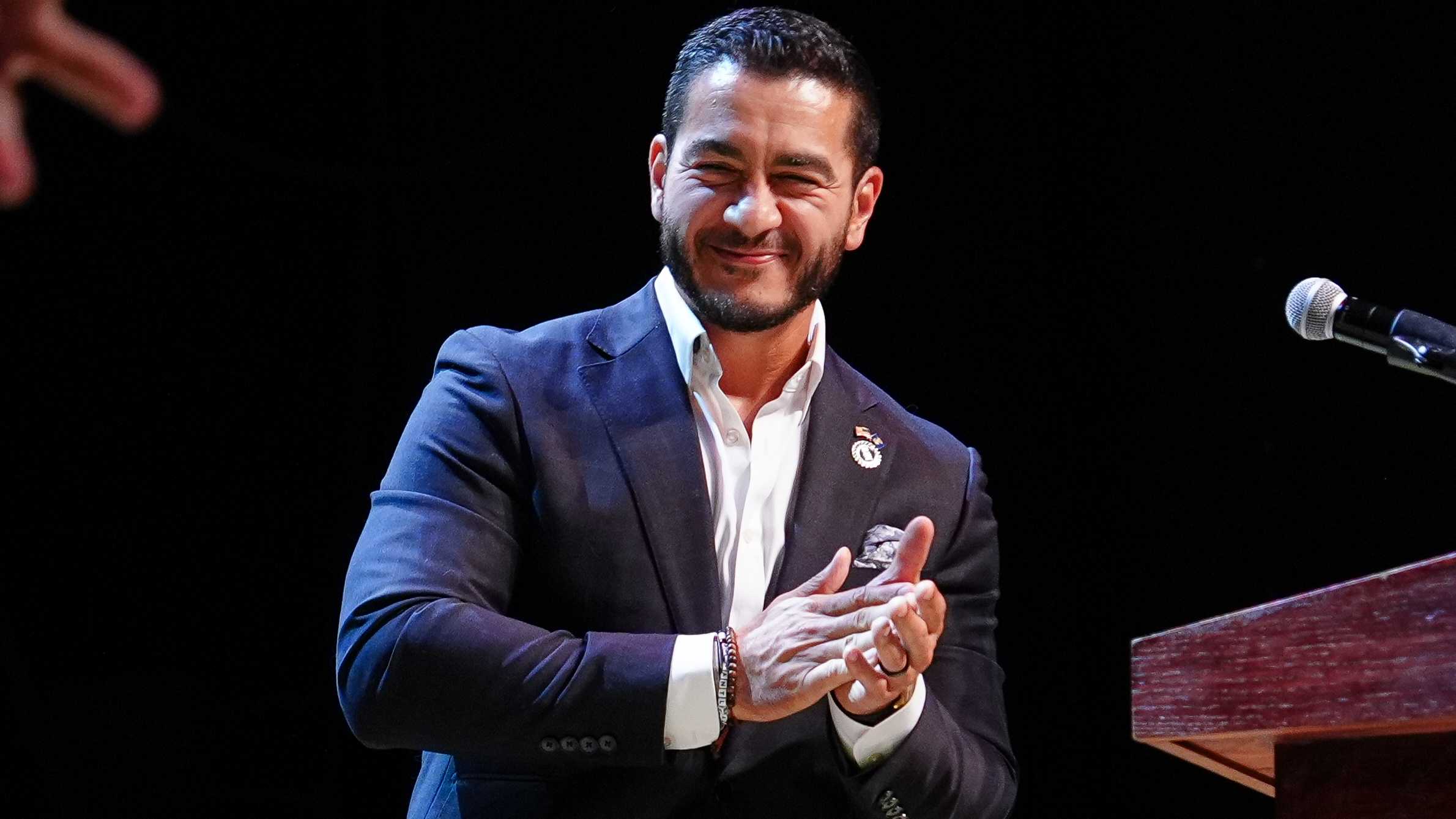
The political landscape in Michigan is undergoing a seismic shift as candidates look for ways to capture the attention of disillusioned voters. Abdul El-Sayed, the Democratic candidate for the Senate, has launched a bold new offensive by addressing one of the most pressing concerns of Americans: public health.
In this comprehensive analysis, we explore the mechanics of El-Sayed's new policy platform and how it aims to bridge the gap between traditional Democratic values and the growing 'Make America Healthy Again' movement.
📑 Table of Contents
1. The Strategic Shift in Michigan Politics
The race for the Senate seat in Michigan is no longer dictated by traditional party lines. Voters are increasingly looking for candidates who address tangible quality of life issues, specifically regarding healthcare and nutrition. El-Sayed has recognized that the standard political talking points are no longer sufficient to win over a skeptical electorate.
By focusing on a holistic health agenda, El-Sayed is positioning himself as a reformer who prioritizes wellness over bureaucratic process. This is a calculated move to stand out in a crowded field where many candidates focus solely on broad economic metrics.
The Evolving Voter Mandate
The shift toward health-centric politics reflects a broader change in what American voters value, moving away from purely ideological debates toward personal survival and systemic health.
2. Targeting the 'MAHA' Movement
One of the most intriguing aspects of El-Sayed's strategy is his direct outreach to supporters of Robert F. Kennedy Jr.'s 'Make America Healthy Again' (MAHA) movement. This movement has gained significant traction by focusing on the rise of chronic diseases and processed foods, areas that many feel have been ignored by the mainstream mainstream political establishment.
El-Sayed stated that there is an opportunity to remind voters that the Democratic party should want people to be healthier. By adopting some of the language used by MAHA, he is attempting to reclaim voters who might otherwise drift toward third-party or unaligned candidates.
Bridging the Ideological Divide
By focusing on the common ground of physical health, El-Sayed is attempting to create a broad coalition that transcends traditional partisan divides on various social issues.
3. Building A Healthier America Policy Agenda

The release of the Building A Healthier America Policy Agenda serves as the cornerstone of El-Sayed's campaign. It is not merely a collection of slogans but a structured approach to how the government interacts with public health. The platform specifically targets the use of pesticides in agriculture and the additives in the American food supply.
The agenda calls for a radical transparency in how food is produced and labeled. By placing the focus on these systemic issues, El-Sayed is addressing the root causes of the health crisis rather than just treating symptoms through medication.
Pesticide Regulation and Food Reform
The policy platform emphasizes the need for stricter regulations on chemicals that enter the food chain, prioritizing long-term public safety over short-term agricultural yields.
4. Confronting Corporate Lobbying
A recurring theme in El-Sayed's message is the critique of the influence held by food, agricultural, and pharmaceutical corporations. He argues that these entities are often on the 'wrong side of things,' prioritizing profit margins over the well-being of the citizenry.
El-Sayed's rhetoric suggests that the government has too often capitulated to these powerful interests. This resonates with many voters who feel that the current system is rigged in favor of large corporations, leading to high costs and poor health outcomes.
Breaking the Cycle of Corporate Influence
By challenging the power of these massive industries, El-Sayed aims to present himself as a candidate of the people, rather than the corporate donors.
5. The Future of the Democratic Health Platform
The success or failure of El-Sayed's approach could provide a blueprint for how the Democratic Party handles health in future elections. If he can successfully integrate MAHA-style concerns, we may see a shift in the national party's focus toward nutrition and environmental health.
As the campaign progresses, the focus will remain on whether these policy proposals can translate into votes in a key state like Michigan. El-Sayed is betting that the public is ready for a more aggressive stance against corporate influence in healthcare.
A Long-Term Vision for Wellness
Ultimately, the goal is to foster a society where health is a fundamental right rather than a commodity influenced by industrial interests.
🔥 Stay tuned to Azeem USA for more updates on the Michigan Senate race and national political trends.
Conclusion
Abdul El-Sayed is taking a high-stakes gamble by placing public health at the center of his Senate campaign. By targeting the MAHA movement and challenging corporate influence, he is attempting to redefine the Democratic platform in Michigan.
Whether this strategy resonates enough to swing voters remains to be seen, but the impact on the national conversation is undeniable.
❓ FAQ
Who is Abdul El-Sayed?
He is a Democratic candidate for the US Senate in Michigan.
What is the MAHA movement?
It stands for 'Make America Healthy Again,' a movement focused on improving public health and addressing chronic disease causes.
What is El-Sayed's new policy agenda?
It is called the Building A Healthier America Policy Agenda, which focuses on pesticides and food safety.
Why is El-Sayed targeting RFK Jr. supporters?
He is looking to capture voters who are concerned about systemic health and corporate influence.
Does this policy affect the pharmaceutical industry?
Yes, the platform critiques the influence of pharmaceutical corporations on health policy.
Comments
Post a Comment