
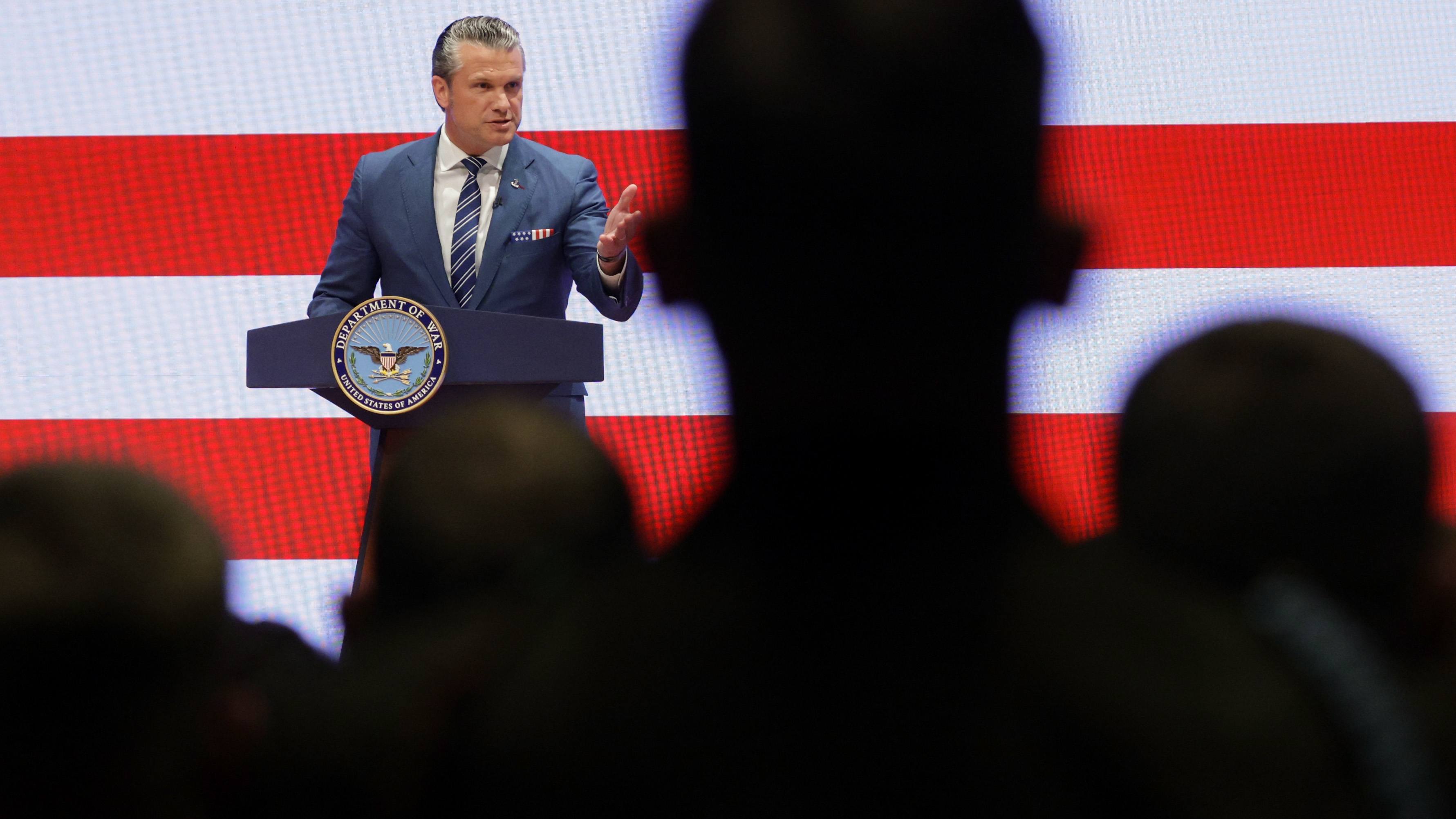
The landscape of American national security has recently undergone a seismic shift following a landmark address by the Defense Secretary. In a comprehensive speech to active-duty officers, Secretary Pete Hegseth signaled a departure from previous administrative priorities, focusing instead on a return to foundational military readiness.
In this deep dive, we break down the seven critical takeaways from Hegseth's speech, examining how his vision for drone warfare, religion, and institutional reform will reshape the Department of Defense.
📑 Table of Contents
1. The Revival of the Warrior Ethos
Secretary Pete Hegseth began his address by addressing the internal culture that currently grips the United States military. He argued that for years, the institution drifted away from its primary mission by focusing on social agendas and ideological initiatives. By proclaiming the revival of the 'warrior ethos,' Hegseth is signaling that the priority has shifted back to lethality and combat effectiveness.
This shift involves a systematic removal of 'woke' elements from the Department of Defense. The goal is to ensure that every soldier and officer is focused on the tactical reality rather than social engineering.
Focusing on Mission over Identity
Hegseth emphasized that the military's sole purpose is to fight and win wars, and any distraction from that objective is viewed as a liability to the security of the United States.
2. The Evolution of Drone Warfare and Strategy
One of the most technically significant portions of the speech involved the future of aerial combat. Hegseth acknowledged that the era of drone warfare is no longer a niche but a central pillar of modern conflict. He discussed the need for rapid adaptation in how autonomous systems are integrated into traditional military frameworks.
The strategy outlined focuses on maintaining a technological edge over adversaries. By prioritizing drone technology and remote intelligence, the U.S. aims to project power while minimizing the risk to personnel in highly contested zones.
Technological Dominance in the Skies
The Secretary highlighted that the next generation of drone technology will be vital in ensuring the U.S. remains the global leader in precision strike operations.
3. Faith and Values in the Pentagon

A striking element of the speech was the elevation of faith within the military hierarchy. Hegseth suggested that the moral fiber of the armed forces is deeply tied to the personal beliefs and values of those who serve. This inclusion of faith marks a move away from the strictly secularist policies seen in recent years.
By acknowledging the role of religion, the Defense Secretary is seeking to resonate with a significant portion of the service members who view their faith as an integral part of their discipline and commitment to their country.
The Moral Foundation of Service
The speech argued that a strong moral and spiritual compass provides the resilience necessary for soldiers to endure the extreme deicidions of the modern battlefield.
4. New Infrastructure and Combatant Commands
Beyond ideological shifts, Hegseth made concrete announcements regarding physical and organizational changes. This included the proposal for a new base and the restructuring of combatant commands to better address emerging global threats. The move is intended to streamline how the military responds to crises in real-time.
The new base infrastructure is expected to serve as a hub for innovation and rapid-response capabilities. By consolidating certain resources, the DOD hopes to eliminate the bureaucratic layers that have historically slowed down operational deployments.
Structural Agility for Global Response
The new command structures are designed to ensure that the U.S. military can pivot quickly between different theaters of operation with minimal friction.
5. Media Relations and Institutional Reform
Hegseth did not shy away from criticizing the current media landscape. He specifically targeted the news media's coverage of the Iran war, suggesting that the narrative often fails to reflect the strategic realities of military operations. This suggests a more assertive stance in how the Pentagon communicates with the public and.
The reform agenda also extends to the internal bureaucracy of the DOD. Hegseth aims to rebuild the department by stripping out what he considers unnecessary administrative overhead that does not directly support the warriors on the front lines.
Reclaiming the Strategic Narrative
By pushing for a more transparent and accurate reporting of conflicts, the Secretary seeks to align public perception with the actual outcomes of defense policy.
🔥 Subscribe to Azeem-USA for more deep dives into global defense and national security trends.
Conclusion
Pete Hegseth's speech represents a clear pivot in the direction of the US Department of Defense. From the return of the warrior ethos to the integration of drone warfare and faith, the focus is on readiness, lethality, and traditional values.
As these policies unfold, the world will watch how these structural changes impact American power projection in an increasingly volatile global landscape.
❓ FAQ
What is the primary goal of Pete Hegseth's speech?
The primary goal is to return the military to a warrior ethos focused on combat readiness rather than social issues.
How will drone warfare be handled?
Hegseth emphasized drone technology as a central pillar of modern strategy and technological dominance.
Is religion becoming a focus in the new DOD policy?
Yes, Hegseth elevated faith as a component of the moral foundation of the service members.
What is the new base mentioned?
The new base is intended to foster innovation and provide rapid-response capabilities.
What does Hegseth think of the media?
He criticized the media for inaccurate coverage of military conflicts, specifically regarding the Iran war.
Comments
Post a Comment