
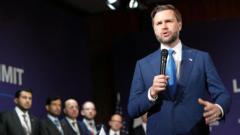
In a move that has captured global attention, representatives from the United States and Iran have convened for initial peace talks in Switzerland. This development marks a significant moment in a relationship long characterized by deep-seated animosity and intermittent confrontation. The world watches with bated breath as diplomatic channels open, offering a glimmer of hope for de-escalation in a volatile region.
This blog post delves into the intricacies of these unprecedented discussions, exploring the context of rising regional tensions, the potential outcomes of the negotiations, and the formidable challenges that lie ahead. We will analyze what this diplomatic engagement signifies for the future of international relations and the broader implications for global stability.
📑 Table of Contents
1. The Historic Summit in Switzerland
The decision for the US and Iran to engage in direct, face-to-face negotiations is a monumental step. Switzerland, known for its neutrality and history of hosting delicate diplomatic missions, provides a fitting backdrop for such critical discussions. These talks are not merely symbolic; they represent a potential turning point, moving away from proxy conflicts and public posturing towards direct dialogue. The agenda, though not fully disclosed, is widely understood to encompass de-escalation strategies and the exploration of an initial peace framework.
This summit follows a period of heightened alert, particularly with Iran's recent claims regarding the Strait of Hormuz and ongoing skirmishes in Lebanon. The urgency to find common ground is palpable, driven by the shared understanding that continued escalation poses unacceptable risks to regional and global security. The presence of seasoned diplomats on both sides underscores the seriousness with which these negotiations are being approached, aiming to lay the groundwork for more substantive agreements in the future.
The Significance of Neutral Ground
Switzerland's role as a mediator is crucial. Its established diplomatic infrastructure and reputation for impartiality allow both parties to engage with a degree of confidence, knowing that the venue itself is not aligned with either side's strategic interests.
2. Understanding the Regional Tensions
The backdrop to these Swiss talks is a complex tapestry of regional instability. The ongoing fighting in Lebanon, often a flashpoint for broader regional conflicts, has undoubtedly heightened concerns. Iran's assertion of having shut the Strait of Hormuz, a critical chokepoint for global oil supplies, represents a significant escalation in rhetoric and a clear demonstration of its strategic capabilities, even if only a temporary or symbolic act. These events have placed immense pressure on international actors to seek diplomatic solutions.
The broader geopolitical landscape, including the complex dynamics between Iran and its neighbors, as well as the long-standing US-Iran adversarial relationship, creates a volatile environment. Any miscalculation or uncontrolled escalation could have devastating consequences, not only for the immediate region but also for the global economy, particularly concerning energy markets. The timing of these talks, therefore, appears to be a strategic response to these escalating pressures, an attempt to pull back from the brink.
The Strait of Hormuz: A Critical Artery
The Strait of Hormuz is not just a geographical location; it's a vital artery for global trade. Any disruption here has immediate and far-reaching economic repercussions worldwide.
3. Potential Pathways to a Peace Deal

While the term 'peace deal' might evoke images of comprehensive treaties, the initial focus is likely on establishing confidence-building measures and de-escalation protocols. An 'initial peace deal' could refer to agreements on specific areas such as prisoner exchanges, humanitarian aid corridors, or commitments to refrain from provocative actions in sensitive maritime or air spaces. These smaller, achievable goals can serve as building blocks for more significant diplomatic progress down the line.
Furthermore, discussions may revolve around Iran's nuclear program, a persistent source of international concern. While a full resolution is unlikely in initial talks, establishing a framework for future negotiations on this front could be a key outcome. Similarly, addressing the proxy conflicts and regional security architecture could be on the table, with the aim of creating a more stable environment where direct bilateral issues can be tackled more effectively.
Confidence-Building Measures
Small, verifiable steps like de-escalation commitments or humanitarian exchanges can build trust and pave the way for larger agreements.
4. Challenges and Skepticism
Despite the hopeful nature of these talks, significant challenges and deep-seated skepticism remain. Decades of mistrust, conflicting geopolitical interests, and the complex internal politics of both nations present formidable obstacles. Hardliners in both Washington and Tehran may view these negotiations with suspicion, potentially undermining any progress made. The history of failed diplomatic initiatives between the two countries also casts a long shadow.
Furthermore, the definition of 'peace' itself can vary significantly between the two parties. For the US, it may involve Iran's complete withdrawal from regional conflicts and adherence to international norms regarding its nuclear program. For Iran, it might entail the lifting of sanctions, recognition of its regional influence, and an end to perceived interference in its internal affairs. Bridging these divergent perspectives will require immense diplomatic skill, patience, and a willingness to compromise from both sides. The international community will be watching closely to see if this dialogue can overcome these entrenched positions.
The Shadow of Mistrust
Overcoming decades of animosity and strategic distrust is the primary hurdle these talks must surmount.
5. The Global Ramifications and Azeem USA's Perspective
The success, or even partial success, of these US-Iran talks could have profound implications for global stability. A de-escalation in the Middle East would not only reduce the risk of wider conflict but could also lead to stabilization in energy markets, benefiting economies worldwide. It could also open new avenues for regional cooperation on issues like counter-terrorism and climate change, fostering a more secure and prosperous global environment.
At Azeem USA, we believe that diplomacy, however challenging, is always the preferred path to resolving international disputes. These talks in Switzerland, while in their nascent stages, represent a crucial opportunity to steer away from conflict and towards a more peaceful coexistence. We will continue to monitor these developments closely, providing insightful analysis on their impact on international relations and the global economy. The path forward is uncertain, but the commitment to dialogue is a positive sign for the future.
A Glimmer of Hope
The commencement of these talks offers a vital opportunity to de-escalate tensions and explore pathways to a more stable international order.
🔥 Stay informed with Azeem USA's expert analysis on global affairs.
Conclusion
The initiation of peace talks between the United States and Iran in Switzerland is a development of immense global significance. Against a backdrop of escalating regional tensions, including conflicts in Lebanon and heightened rhetoric concerning the Strait of Hormuz, this direct dialogue offers a critical opportunity to avert further conflict and explore pathways to de-escalation.
While the road ahead is fraught with challenges, stemming from decades of mistrust and divergent interests, the very act of engaging in face-to-face negotiations is a testament to the recognition of shared risks and the potential benefits of diplomacy. As Azeem USA continues to observe these crucial discussions, we remain cautiously optimistic that this engagement can lay the foundation for a more stable and peaceful future for the Middle East and beyond.
❓ FAQ
Where are the US and Iran holding their peace talks?
The initial peace talks between the US and Iran are being held in Switzerland.
What triggered these talks?
The talks are a response to rising regional tensions, including ongoing fighting in Lebanon and Iran's claims regarding the Strait of Hormuz.
What is the main goal of these initial talks?
The primary goal is likely to establish de-escalation measures and confidence-building, potentially laying the groundwork for a broader peace deal.
What is the significance of the Strait of Hormuz?
The Strait of Hormuz is a vital global oil transit route; any disruption there has significant economic implications worldwide.
What challenges do these negotiations face?
Challenges include decades of mistrust, conflicting geopolitical interests, and skepticism from hardliners within both nations.
Comments
Post a Comment