
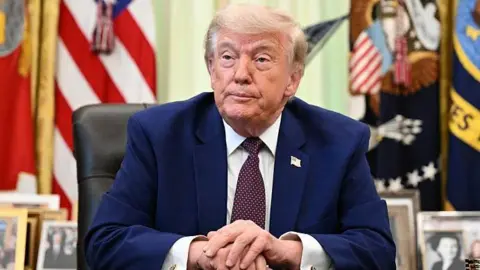
In a significant political development, a war powers resolution aimed at limiting President Trump's ability to engage in military action against Iran has passed the House of Representatives. This vote has ignited a firestorm, drawing sharp criticism from former President Donald Trump, who decried the measure as 'meaningless' and pointed fingers at 'four bad Republicans' for siding with Democrats.
This event underscores a critical juncture in US foreign policy debates and highlights the internal dynamics within the Republican party. Understanding the nuances of this vote, Trump's reaction, and the broader geopolitical implications is crucial for grasping the current state of American political discourse and its impact on global affairs.
📑 Table of Contents
1. The War Powers Resolution: A Constitutional Check
The War Powers Resolution of 1973 is a federal law intended to check the U.S. President's power to commit the nation to armed conflict without the consent of Congress. It requires the President to notify Congress within 48 hours of committing U.S. armed forces to military action and prohibits them from remaining engaged in hostilities for more than 60 days (with a 30-day extension possible) without a congressional authorization for the use of military force or a declaration of war.
This resolution, brought forward by Democrats, sought to assert congressional authority in foreign policy decisions, particularly concerning potential escalations with Iran. The vote itself represents a significant assertion of legislative power, reflecting concerns among some lawmakers about executive overreach and the potential for unintended military entanglement.
A Historic Precedent
While presidents have often navigated or challenged the War Powers Act since its inception, its invocation in situations like the current tensions with Iran serves as a powerful reminder of the constitutional balance of power envisioned by the framers.
2. Trump's Scathing Rebuke: Identifying the 'Bad Republicans'
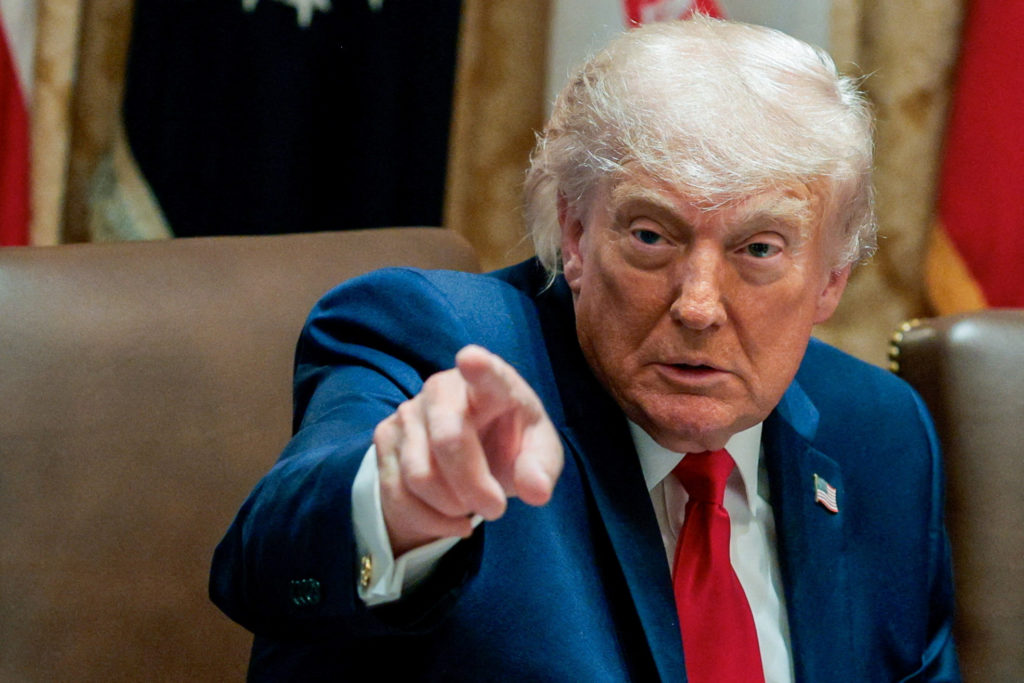
Donald Trump did not hold back in his assessment of the vote, labeling the resolution "meaningless" and expressing his displeasure with the Republicans who supported it. His rhetoric specifically targeted what he termed "four bad Republicans," signaling a clear division within his own party over foreign policy and loyalty to his directives. This strong condemnation suggests Trump views the resolution not just as a policy disagreement, but as a personal affront and a betrayal of Republican principles.
The former President's public denunciation serves to rally his base and put pressure on other Republicans who might consider similar bipartisan cooperation on issues he opposes. It also highlights a growing trend where loyalty to Trump often takes precedence over traditional party platforms or institutional norms in the eyes of some of his staunchest supporters.
The Impact of Trump's Words
Trump's pronouncements often carry significant weight within the Republican party, influencing public opinion and shaping the political landscape for candidates and elected officials alike.
3. The Vote's Implications: A Divided Congress and Party
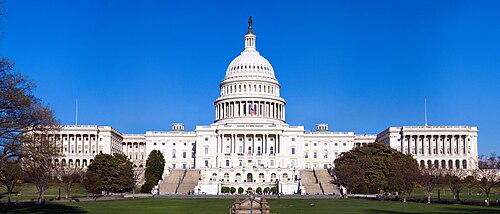
The bipartisan nature of the resolution's passage, with Democrats leading and some Republicans joining, exposes deep fissures within the GOP. While many Republicans aligned with Trump in opposing the measure, the defection of even a few members signals a growing willingness among some to diverge from the former President's line, especially on matters of constitutional authority and foreign policy prudence.
This division within the Republican party is not merely a tactical disagreement but reflects a broader ideological tension. Some Republicans are prioritizing a more traditional, hawkish foreign policy stance, while others are increasingly aligned with Trump's more nationalistic and isolationist leanings. The vote underscores the ongoing struggle for the soul of the party and its future direction.
Bipartisan Action on Foreign Policy
The rare instance of Democrats and a segment of Republicans uniting on a war powers resolution highlights a complex political environment where traditional party alignments can be fluid on critical national security issues.
4. Broader Foreign Policy Context: Tensions with Iran
The war powers resolution did not emerge in a vacuum. It is a direct response to heightened tensions between the United States and Iran, following a series of escalations and provocations. Lawmakers on both sides of the aisle have expressed concerns about the potential for a full-blown conflict, driven by miscalculation or an unchecked executive decision.
The resolution aims to provide a legislative brake on potential military action, forcing a more deliberate and deliberative approach to any U.S. engagement with Iran. By passing this measure, Congress is signaling its desire for a diplomatic rather than a purely military resolution to the ongoing standoff, emphasizing the need for clear authorization before committing U.S. forces to sustained hostilities.
The Risk of Escalation
The underlying concern driving the resolution is the significant risk of a wider conflict that could destabilize the region and draw the U.S. into a protracted and costly war.
5. The Future of Republican Unity and Presidential Influence
Donald Trump's reaction to the war powers vote is a microcosm of his broader influence on the Republican party. His ability to dictate party orthodoxy and his willingness to publicly chastise those who deviate are defining features of his post-presidency. The "bad Republicans" label is a clear warning to others contemplating independence on policy matters.
Moving forward, the ability of the Republican party to present a united front, particularly on foreign policy, will be a key indicator of its health and direction. This vote and Trump's response highlight the ongoing tension between traditional conservative foreign policy principles and the populist, nationalist agenda championed by the former President. The outcome of this internal debate will have significant implications for how the U.S. engages with the world.
Navigating Internal Party Dynamics
The challenge for the Republican party lies in reconciling differing views on America's role in the world and managing the powerful influence of its most prominent former leader.
🔥 Stay informed on pivotal US political developments and their global impact.
Conclusion
The passage of the war powers resolution and Donald Trump's subsequent strong denunciation have exposed significant fault lines within American politics and the Republican party. The vote represents a congressional attempt to reassert its constitutional role in matters of war, while Trump's reaction underscores his enduring, polarizing influence.
As the U.S. navigates complex international relations, particularly with Iran, the internal debates over foreign policy and executive versus legislative power will continue to shape the nation's approach. The ability of Congress and the President to find common ground, or the continued friction between them, will be critical in determining America's path forward on the global stage.
❓ FAQ
What is the War Powers Resolution?
The War Powers Resolution of 1973 is a law requiring the President to consult with Congress before and during U.S. military actions and to withdraw troops after 60-90 days unless Congress grants an authorization for use of military force or declares war.
Why did Donald Trump call the resolution 'meaningless'?
Trump likely views the resolution as an ineffective attempt by Democrats to curb presidential authority and potentially as a political maneuver rather than a substantive check on foreign policy decisions.
Who were the 'four bad Republicans' Trump referred to?
While Trump did not explicitly name them in all reports, media coverage identified Republicans who voted in favor of the resolution, indicating his displeasure with their bipartisan support for the Democratic-led measure.
What are the broader foreign policy implications of this vote?
The vote signals Congress's desire for a more deliberative approach to military action against Iran and highlights concerns about executive overreach, potentially influencing future presidential decisions on foreign policy.
How does this vote affect the Republican Party?
It highlights internal divisions within the GOP regarding foreign policy and loyalty to Donald Trump, showcasing a tension between traditional Republicanism and Trump's populist agenda.
Comments
Post a Comment