
The world of recreational sports can sometimes be touched by profound and unexpected tragedy. A recent incident in France, where a 68-year-old pétanque player lost his life after allegedly being struck in the head by a metal boule during a game, has sent ripples of shock through the community and beyond.
This event, while seemingly isolated, prompts a crucial examination of safety in sports, the dynamics of recreational activities, and the unforeseen consequences that can arise even in the most serene of settings. At Azeem USA, we delve into the details of this unfortunate event, exploring its implications for sports enthusiasts and the broader public.
📑 Table of Contents
1. Understanding the Unthinkable: The Pétanque Incident
Reports confirm a devastating incident during what is typically a leisurely game of pétanque. A 68-year-old man sustained a fatal head injury after being hit by a metal boule. The alleged perpetrator, an 81-year-old opponent, has since been arrested, according to public prosecutor statements. The exact sequence of events leading to the impact is now a subject of a thorough investigation, aiming to clarify whether the action was intentional, accidental, or a result of negligence.
Pétanque, a sport known for its social nature and accessible gameplay, is usually played in parks and public spaces, often by individuals of varying ages. The sudden and fatal outcome of this particular match underscores the inherent risks associated with any activity involving projectiles, regardless of the perceived gentle nature of the sport.
The Metal Boule: An Integral Part of the Game
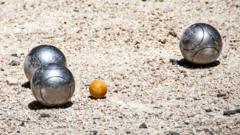
The metal boule, the primary object of play in pétanque, is a solid sphere typically made of steel. While not designed as a weapon, its weight and density mean that a direct impact, especially to the head, can cause severe injury. Understanding the physical properties of the equipment is vital when considering the potential for harm.
2. Pétanque: More Than Just a Game
Originating in Southern France, pétanque is a beloved pastime enjoyed by millions worldwide. It involves players throwing hollow metal balls (boules) as close as possible to a smaller target ball called a cochonnet. Its appeal lies in its simplicity, strategic depth, and the social interaction it fosters. Games are often played in a relaxed atmosphere, fostering community bonds and providing gentle physical activity.
The sport's accessibility makes it popular among a wide age range, from children to the elderly. This inclusivity, however, also highlights the importance of ensuring safety protocols are in place, as participants may have varying physical capabilities and reaction times. The tragic event serves as a stark reminder that even the most familiar and beloved activities require vigilance.
Community and Camaraderie at Risk
The essence of pétanque often lies in the camaraderie shared between players. This incident, regardless of intent, casts a shadow over the trust and safety typically expected within such social sporting environments. The psychological impact on other players and the wider pétanque community is likely to be significant.
3. Safety in Sports: A Universal Concern

The incident compels a broader discussion about safety standards across all sports, from professional leagues to amateur and recreational gatherings. While sports like American football or hockey have well-documented safety concerns and protective gear, less contact-intensive sports also carry risks that need to be acknowledged and mitigated.
Even in seemingly benign activities, the potential for accidents exists. Falls, collisions, or the misuse of equipment can lead to serious injuries. The key lies in fostering a culture of awareness, where participants and organizers prioritize safety without diminishing the enjoyment of the sport. This includes proper supervision, understanding the rules, and respecting the physical capabilities of all involved.
Risk Assessment in Recreational Activities
Every sporting activity, no matter how casual, involves an inherent level of risk. A critical aspect of responsible participation is conducting informal risk assessments. For pétanque, this might involve ensuring adequate space between players, maintaining awareness of where boules are being thrown, and understanding the potential impact force of the metal balls.
4. The Legal Ramifications of Accidental Harm
The arrest of the 81-year-old opponent brings into focus the legal consequences that can follow unfortunate accidents. While the investigation will determine the specific circumstances, legal frameworks exist to address harm caused by negligence, recklessness, or intent. This can range from civil liability for damages to criminal charges, depending on the findings.
In civil law, negligence typically involves a breach of a duty of care that results in harm. In a sporting context, this duty might include playing within established rules, exercising reasonable care to avoid injuring others, and being aware of one's surroundings. The legal system often distinguishes between inherent risks of a sport that participants accept and risks created by a participant's conduct outside the normal scope of the game.
Intent vs. Accident in Legal Proceedings
Distinguishing between an accidental mishap and intentional harm is paramount in any legal investigation. The prosecutor's office will meticulously examine evidence, witness testimonies, and forensic reports to ascertain the nature of the event. The outcome of this investigation will dictate the subsequent legal proceedings and potential accountability.
5. Learning from Tragedy: Enhancing Sports Safety
Tragic events, however devastating, often serve as catalysts for change and improved safety measures. The pétanque incident may prompt a review of safety guidelines within the sport, particularly concerning player proximity, awareness during throws, and perhaps even the development of lighter or differently designed boules for certain contexts, although this is speculative.
Beyond specific sports, this event reinforces the universal principle that safety should be a primary consideration in all recreational activities. Educating participants about potential risks, promoting responsible conduct, and encouraging open communication about safety concerns are essential steps. Organizations and governing bodies for sports play a crucial role in disseminating best practices and ensuring that guidelines are updated to reflect evolving understanding of risk management.
A Call for Vigilance and Respect
Ultimately, the memory of the 68-year-old player serves as a somber reminder to approach all recreational activities with a heightened sense of awareness and respect for fellow participants. While the joy of sport should always be paramount, it must be balanced with a commitment to ensuring that everyone can participate safely and return home unharmed.
🔥 Share your thoughts on sports safety in the comments below.
Conclusion
The tragic death of a pétanque player, allegedly during a game, is a profound loss that highlights the unexpected dangers that can arise even in the most tranquil recreational pursuits. This incident serves as a stark reminder of the importance of safety awareness in all sporting activities.
As we reflect on this unfortunate event, Azeem USA encourages a renewed focus on responsible play, mutual respect, and proactive safety measures within all communities that enjoy sports and recreation. By learning from such incidents, we can strive to ensure that our shared pastimes remain sources of joy and connection, free from preventable harm.
❓ FAQ
What is pétanque?
Pétanque is a target ball sport played with hollow metal balls (boules) thrown towards a smaller target ball called a cochonnet. It is popular in France and other parts of the world.
How serious is the risk of injury in pétanque?
While generally considered a low-risk sport, injuries can occur, typically from falls or being struck by a boule. A direct impact to the head, especially with a metal boule, can cause severe harm.
What are the usual safety measures in pétanque?
Safety primarily relies on player awareness, maintaining a safe distance during throws, and playing within designated areas. Formal safety equipment is not standard for casual play.
What is the typical weight of a pétanque boule?
Pétanque boules typically weigh between 600 and 800 grams (approximately 1.3 to 1.8 pounds).
What happens after an arrest in such a case?
Following an arrest, the individual is usually questioned by authorities, and a formal investigation is launched by the public prosecutor to determine the circumstances and intent behind the incident.
Comments
Post a Comment