
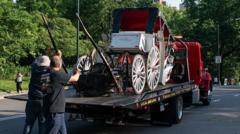
The recent, heartbreaking news of a teenager's death following a horse-drawn carriage incident serves as a stark reminder of the inherent risks associated with seemingly idyllic activities.
At Azeem USA, we believe in fostering awareness and promoting safety in all aspects of life. This tragedy underscores the critical importance of understanding the factors that can contribute to such devastating accidents and exploring how we can prevent them from happening again.
📑 Table of Contents
1. Understanding the Incident: A Moment's Distraction
Reports indicate a devastating turn of events occurred when a carriage driver disembarked to capture a photograph of the passengers. In that brief moment of divided attention, the horse reportedly bolted, leading to the carriage toppling over.
This sequence of events highlights a critical vulnerability: the potential for human error and distraction to trigger a catastrophic chain reaction, especially when dealing with powerful animals and moving vehicles.
The Triggering Event
The decision to step away from the reins to take a photograph, while perhaps well-intentioned for capturing memories, proved to be the critical factor that initiated the disaster. It raises questions about the protocols and training involved in operating horse-drawn carriages, particularly in tourist settings.
2. The Role of the Horse: Understanding Bolting Behavior
Horses are sensitive and powerful animals, capable of reacting unpredictably to sudden stimuli, perceived threats, or distress. When a horse bolts, it signifies a loss of control, often driven by fear or panic.
Factors such as the animal's temperament, training, and the immediate environment can all influence its susceptibility to bolting. Understanding these underlying causes is crucial for implementing effective preventative measures.
Instinct and Environment
The immediate cause of the bolting may have been a startling event, a sudden noise, or even an unseen trigger. However, the animal's inherent instincts, coupled with the specific circumstances of being harnessed to a carriage, amplify the potential for a dangerous reaction.
3. Passenger Safety in Horse-Drawn Carriages

Horse-drawn carriages often evoke images of romantic excursions and charming city tours. However, beneath this picturesque facade lies a need for robust safety considerations for everyone involved, especially passengers.
The incident sadly points to potential shortcomings in passenger safety protocols. Ensuring that passengers are adequately briefed on safety procedures and that the carriage itself is designed with safety features is paramount.
Carriage Design and Restraints
The stability and design of the carriage play a significant role in passenger safety during unexpected movements. While elaborate restraints may detract from the aesthetic, exploring options for secure seating and ensuring adequate space to prevent falls during sudden jolts is essential.
4. The Human Element: Responsibility and Prevention
Ultimately, human responsibility forms the bedrock of safety in any operation involving animals and public interaction. This includes the training of operators, the maintenance of equipment, and the adherence to safety guidelines.
The driver's role is critical not only in controlling the horse but also in managing the environment and ensuring the well-being of passengers. This incident compels a re-evaluation of the training and licensing requirements for such operators.
Training and Awareness
Comprehensive training for carriage drivers should encompass not only animal handling and driving skills but also emergency response and risk assessment. A heightened awareness of potential triggers for horses and the importance of maintaining constant vigilance cannot be overstated.
5. Moving Forward: Enhancing Safety Standards
The tragic loss of a young life necessitates a serious dialogue about improving safety standards within the horse-drawn carriage industry. This is not just about regulation, but about fostering a culture of safety and responsibility.
By learning from this devastating event, authorities, operators, and the public can work together to implement stricter protocols, enhance training, and ensure that such beautiful, yet potentially risky, forms of transport are conducted with the utmost regard for safety.
A Call for Action
We must advocate for industry-wide best practices that prioritize the safety of both the animals and the people who interact with them. This includes regular safety audits, mandatory training certifications, and public awareness campaigns about the risks involved.
🔥 Share this post to raise awareness about travel safety.
Conclusion
The untimely death of a teenager in a horse-drawn carriage accident is a profound tragedy that demands our attention and reflection. It serves as a somber reminder that even activities perceived as benign can carry significant risks if not managed with the highest degree of care and responsibility.
As we mourn this loss, let us commit to a future where safety is paramount in all forms of transport and recreation. By implementing robust regulations, promoting comprehensive training, and fostering a culture of vigilance, we can strive to prevent such heart-wrenching incidents from ever occurring again.
❓ FAQ
What caused the horse carriage accident?
Reports suggest the horse bolted after the driver stepped down to take a picture, leading to the carriage toppling.
What are the risks associated with horse-drawn carriages?
Risks include the horse bolting due to fear or distraction, leading to potential accidents, injuries, or fatalities for passengers and others.
How can horse carriage safety be improved?
Improvements can be made through enhanced driver training, stricter operational protocols, better animal welfare practices, and improved carriage design.
What is the responsibility of the carriage driver?
The driver is responsible for controlling the horse, ensuring passenger safety, maintaining vigilance, and adhering to all safety regulations.
Why is constant vigilance important when operating a horse carriage?
Constant vigilance is crucial because horses can react unpredictably to their environment, and maintaining control is essential to prevent accidents.
Comments
Post a Comment