
The horrific events of May 3, 2023, at Vladislav Ribnikar Elementary School in Belgrade sent shockwaves across Serbia and the globe. A 13-year-old boy, armed with his father's weapons, committed an act of unimaginable violence, claiming the lives of eight students and a school guard. This tragedy not only highlighted a profound societal breakdown but also raised critical questions about parental responsibility.
In a significant development following a retrial, the parents of the young perpetrator have now been handed jail sentences. This landmark decision underscores the complexities of attributing blame when a minor commits such a heinous crime and offers a crucial point of reflection for legal systems and communities worldwide.
📑 Table of Contents
1. The Unthinkable Tragedy at Vladislav Ribnikar School
On that fateful day in May 2023, Belgrade's Vladislav Ribnikar school became the scene of a devastating massacre. A student, merely 13 years old, systematically opened fire, ending the lives of eight young classmates and a dedicated school guard. The sheer brutality and the tender age of the perpetrator left a nation numb with grief and disbelief. Investigations quickly turned towards the circumstances that could lead to such an act, including the accessibility of firearms and the potential role of the shooter's environment.
The immediate aftermath was marked by profound sorrow, national mourning, and an urgent demand for answers. Questions swirled about how a child could perpetrate such violence, the warning signs that might have been missed, and who, if anyone, bore responsibility beyond the young shooter himself. The incident undeniably exposed deep-seated issues within society, prompting a critical examination of mental health support, gun control, and the influence of various factors on adolescent behavior.
The Perpetrator's Background
Early reports indicated that the boy had meticulously planned the attack. Details emerged about his access to firearms, reportedly kept in a locked safe by his father, and his alleged history of bullying. The investigation delved into his psychological state and his life leading up to the shooting, seeking to understand the motivations behind his horrific actions.
2. The Initial Verdict and Public Outcry
Following the initial investigation and legal proceedings, the first verdict in the case saw the boy's father sentenced to 12 years in prison for grave acts against general security, while his mother received an eight-year sentence. The court found them guilty of negligence in securing firearms, which were accessible to their son. This initial ruling, however, did not fully satisfy the public's demand for accountability, with many feeling that the sentences did not adequately reflect the gravity of the loss and the alleged parental failures.
The public reaction was a complex mixture of grief, anger, and a desire for a more robust judicial outcome. Many families of the victims expressed their discontent, believing that the parents' culpability extended beyond mere negligence in firearm storage. The societal pressure and the ongoing debates surrounding child protection and parental duties played a significant role in shaping the narrative and the calls for a review of the initial judgment. This discontent ultimately paved the way for further legal scrutiny.
Calls for Justice
The families of the victims, alongside segments of the Serbian public, vocally advocated for a harsher judgment, arguing that the initial sentences were too lenient given the catastrophic consequences of the parents' alleged inaction or poor judgment. This collective voice contributed to the momentum for a retrial and a re-evaluation of the evidence and legal interpretations.
3. The Retrial: Shifting Legal Sands

The recent retrial marked a pivotal moment in the legal journey following the Belgrade school massacre. The appellate court's decision to order a new trial was a response to appeals, signaling a potential shift in how parental responsibility in such extreme cases would be assessed. This second attempt at justice aimed to address the perceived shortcomings of the initial verdict and to provide a more comprehensive examination of the evidence presented against the parents.
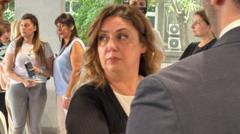
In this crucial retrial, the court delivered a new verdict. The father was sentenced to 12 years in prison, and the mother received a sentence of eight years. These sentences reflect the court's finding of their guilt regarding the illegal production, possession, carrying, and trafficking of weapons. The court also established that the father had failed to properly secure the firearms and ammunition, thereby allowing his son access, which directly contributed to the tragic events. This outcome demonstrates a judicial system grappling with profound ethical and legal challenges.
Sentencing Rationale
The court's reasoning in the retrial emphasized the direct link between the parents' actions – or inactions – concerning the firearms and the devastating outcome. The sentencing reflects a stern stance on the responsibility of parents in ensuring that dangerous weapons are not accessible to minors, especially within a context where potential risks might exist.
4. Understanding Parental Liability in Such Cases
The conviction of the parents in the Serbia school shooting case brings into sharp focus the complex and often contentious issue of parental liability. In many legal systems, parents can be held accountable for the actions of their minor children, particularly when negligence related to supervision, upbringing, or the provision of access to dangerous items can be proven. This Serbian case underscores that responsibility can extend beyond direct actions to encompass failures in safeguarding.
The legal principle at play here involves the duty of care that parents owe to society and to their children. This includes taking reasonable steps to prevent foreseeable harm. In the context of firearms, this duty is amplified. The sentences handed down suggest that the court viewed the parents' conduct as a significant contributing factor to the tragedy, moving beyond simple negligence to a more direct implication in enabling the circumstances that led to the shooting. This sets a precedent for how such failures might be judged in future cases.
The Role of Negligence
Defining negligence in the context of a child's violent act is challenging. However, the courts have focused on the parents' alleged failure to properly store firearms, a clear violation of safety protocols. This aspect of the trial highlights the critical importance of responsible gun ownership and the severe consequences of failing to adhere to safety regulations, particularly when children are involved.
5. Broader Implications for School Safety and Society
The tragedy at Vladislav Ribnikar school and the subsequent legal proceedings serve as a stark reminder of the vulnerabilities within educational institutions and the broader societal factors that can contribute to youth violence. The case compels us to re-evaluate and strengthen measures aimed at enhancing school safety, from physical security to mental health support systems for students. It underscores the need for proactive identification of at-risk youth and comprehensive intervention strategies.
Beyond the immediate school environment, this event prompts a crucial societal conversation about the influences shaping young minds, including online content, peer pressure, and family dynamics. The legal accountability of parents in this instance sends a powerful message about shared responsibility in preventing such horrors. As we move forward, fostering a culture of vigilance, open communication, and robust support networks is paramount to safeguarding our communities and preventing future tragedies. This case is not just a legal outcome; it is a call to collective action.
Looking Ahead: Prevention and Support
The path forward requires a multi-faceted approach, combining stricter regulations on firearm access for minors, enhanced mental health services in schools and communities, and educational programs that promote empathy and conflict resolution. Ultimately, preventing future tragedies depends on a united effort to address the root causes of violence and to create environments where all young people can thrive safely.
🔥 Explore more about global safety initiatives and legal precedents at Azeem USA.
Conclusion
The sentencing of the parents in the Serbia school shooting retrial marks a solemn chapter in the nation's recent history. While justice is a complex and often elusive concept, this legal outcome underscores the profound responsibility that accompanies gun ownership and parenthood. The tragedy at Vladislav Ribnikar school remains an enduring scar, prompting critical introspection on societal structures, mental well-being, and the preventative measures necessary to protect our most vulnerable.
As Serbia continues to heal and grapple with the aftermath, the lessons learned from this case must inform future policies and societal attitudes. The focus must remain on creating safer environments for children, providing adequate support systems, and fostering a collective commitment to preventing such devastating events from ever occurring again. The pursuit of justice is ongoing, but the imperative for prevention is immediate.
❓ FAQ
What happened at Vladislav Ribnikar school?
On May 3, 2023, a 13-year-old student opened fire at the Vladislav Ribnikar school in Belgrade, killing eight students and a school guard.
What were the initial sentences for the parents?
Initially, the father was sentenced to 12 years and the mother to 8 years in prison for negligence in securing firearms.
Why was there a retrial?
Appeals were filed, leading to a retrial where the court re-evaluated the evidence and parental responsibility in the context of the tragedy.
What were the sentences in the retrial?
In the retrial, the father was sentenced to 12 years and the mother to 8 years in prison for illegal possession and trafficking of weapons, and failure to secure them.
What is the broader significance of this case?
The case highlights issues of parental responsibility, gun control, and the need for enhanced school safety measures and mental health support for young people.
Comments
Post a Comment