

In a significant development that has captured global attention, Israel and Lebanon have reportedly reached an agreement for a full ceasefire. This potential breakthrough offers a much-needed glimmer of hope in a region long plagued by conflict. However, the sustainability and sincerity of this accord are intrinsically tied to specific actions that must be taken by Hezbollah, the powerful Lebanese militant group.
Azeem USA is here to break down the intricacies of this agreement, exploring the conditions set forth, the critical role of Hezbollah, and what this fragile truce could mean for the future stability of the Middle East. Understanding the nuances is key to assessing the true potential for lasting peace.
📑 Table of Contents
1. The Landmark Agreement: A Glimpse of Peace
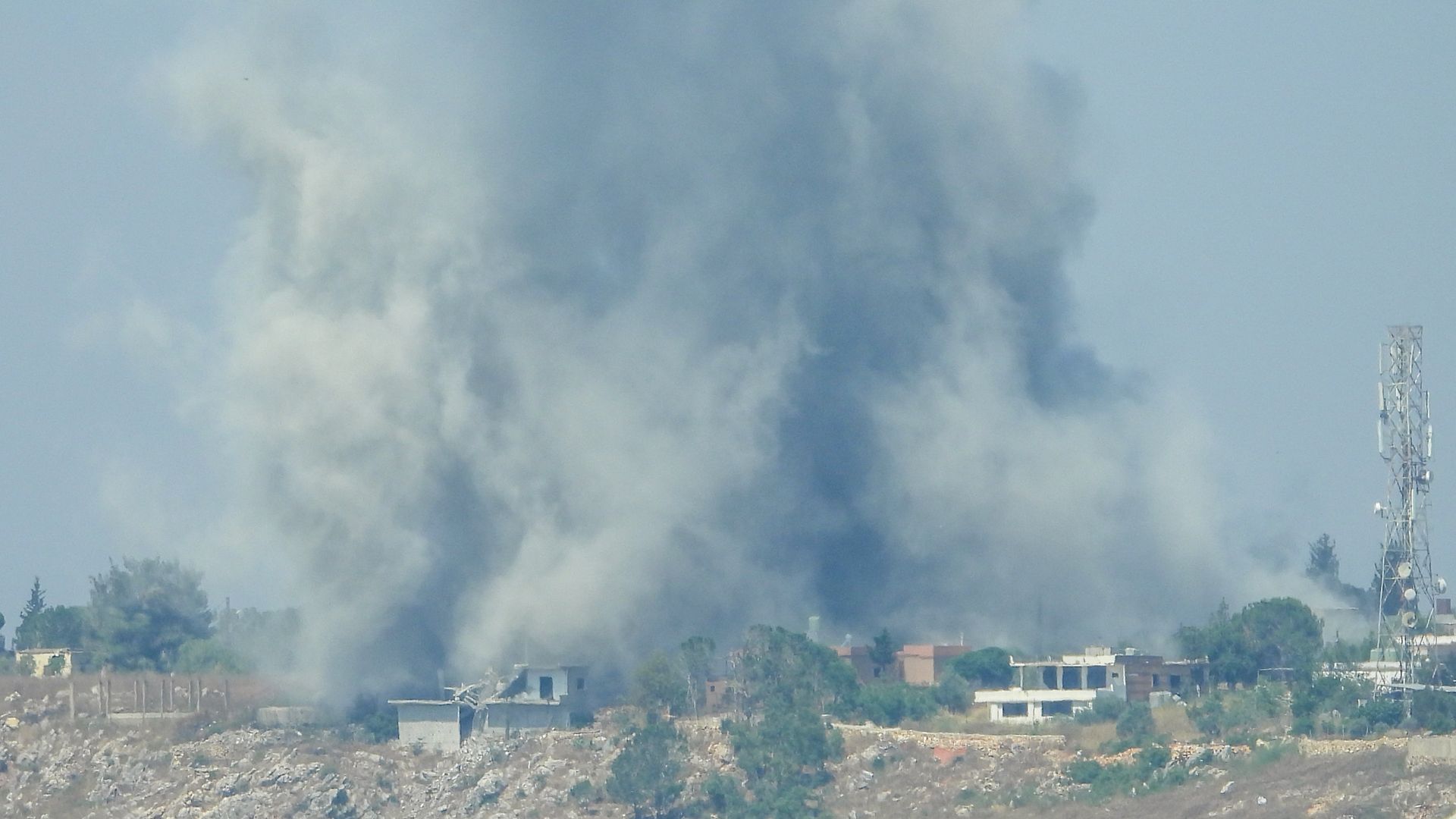
The recent reports indicate a substantial agreement has been forged between Israel and Lebanon, aiming for a comprehensive cessation of hostilities. This isn't merely a temporary pause; the intention is to establish a full ceasefire, marking a potentially pivotal moment in the long-standing tensions between the two nations. Such an agreement, if fully implemented, could significantly de-escalate the volatile situation along their shared border.
The framework of this agreement, as reported by various news outlets, is not a unilateral declaration but a mutually understood set of conditions. The emphasis on a 'full' ceasefire suggests a commitment to ending all forms of military action, including cross-border shelling, rocket attacks, and any other hostile activities that have frequently threatened civilian populations on both sides.
Mutual Understanding on Hostilities
The core of the agreement hinges on a shared understanding that all offensive actions must cease. This includes any planned or ongoing military operations that could provoke retaliation, creating a cycle of violence. The success of this initial phase is paramount for building any trust or momentum towards a more stable future.
2. Hezbollah's Crucial Role: The Deciding Factor
The critical caveat underpinning this ceasefire is the explicit demand for specific steps by Hezbollah. This condition places the onus squarely on the Lebanese militant group to alter its operational posture and its willingness to engage in cross-border attacks against Israel. Without Hezbollah's compliance, the entire agreement risks collapsing before it can gain any meaningful traction.
Analysts are closely watching Hezbollah's response and its actions on the ground. The group's history of involvement in conflicts with Israel means its participation or, more importantly, its restraint, is the linchpin of this diplomatic effort. The nature of the 'steps' required from Hezbollah remains a key point of discussion, but it undoubtedly involves a significant reduction or complete halt to attacks originating from Lebanese territory.
The Condition of Hezbollah's Restraint
The conditioning of the ceasefire on Hezbollah's actions highlights the complex geopolitical landscape. It suggests that while official channels between Israel and Lebanon may have reached an accord, the effective implementation relies on influencing or compelling a non-state actor with significant regional influence. This dynamic presents both a challenge and a potential pathway, depending on the effectiveness of the diplomatic pressure and the group's own strategic calculus.
3. Beyond the Truce: Pilot Zones and Future Implications

Adding another layer to the agreement is the concept of creating 'pilot' zones where Hezbollah would be banned. This innovative approach aims to establish specific areas along the border that are demonstrably free of the group's military presence, thereby creating a tangible zone of reduced threat. These pilot zones could serve as a crucial testing ground for the ceasefire's viability and a confidence-building measure.
The establishment of such zones, if successful, could pave the way for broader demilitarized areas or buffer zones in the future. It represents a forward-thinking strategy that moves beyond simply halting hostilities to actively reshaping the security architecture along the border. The success of these pilot initiatives will be closely scrutinized as indicators of the potential for long-term de-escalation and normalization.
Establishing Secure Zones
The idea of designated zones free from Hezbollah's influence is a bold step. It requires robust monitoring mechanisms and a clear commitment from all parties, including the Lebanese government, to ensure these areas remain peaceful. The successful implementation of these pilot zones could be a significant achievement, demonstrating that practical solutions can be found even in the most entrenched conflicts.
4. Regional Echoes: US Involvement and Broader Tensions
The reported agreement also coincides with significant international involvement, notably from the United States, which has been actively seeking to overcome barriers to broader diplomatic initiatives, including those concerning Iran. The US role in facilitating such discussions and potentially providing assurances or mediating further steps cannot be overstated. Recent reports of US forces intercepting Iranian missiles and drones in response to attacks on Kuwait and Bahrain underscore the wider regional context of escalating tensions that this ceasefire could help to mitigate.
This ceasefire, therefore, exists within a larger narrative of regional power dynamics. It is influenced by, and in turn could influence, the ongoing geopolitical maneuvering involving Iran, its proxies, and the broader international community. The success of the Israel-Lebanon agreement could potentially create a more stable environment conducive to addressing other critical issues, such as the Iran nuclear deal.
The Geopolitical Chessboard
The actions of major global powers, particularly the US, are crucial. Their engagement in the region, whether through diplomatic efforts or military deterrence, shapes the environment in which such ceasefires are negotiated and implemented. The interconnectedness of these conflicts means that progress in one area can have ripple effects across the entire Middle East.
5. The Path Forward: Challenges and Opportunities
While the agreement offers a significant opportunity for peace, the path forward is fraught with challenges. The deep-seated mistrust between the parties, the complex internal politics within Lebanon, and the regional influence of actors like Iran all present formidable obstacles. The commitment to these conditions, particularly from Hezbollah, will be tested repeatedly in the coming days and weeks.
However, the potential rewards of a sustained ceasefire are immense. A reduction in violence would allow for greater focus on economic recovery, humanitarian aid, and the long-term development of Lebanon. For Israel, it would mean enhanced security and a reprieve from constant border threats. This agreement, fragile as it may be, represents a crucial chance to shift the narrative from conflict to cooperation.
Sustaining the Fragile Peace
The international community, including the United States, will likely play a vital role in monitoring compliance and supporting efforts to build upon this initial agreement. Sustaining this fragile peace will require continuous diplomatic engagement, clear communication channels, and a shared commitment to de-escalation. The establishment of pilot zones and the potential for future demilitarized areas offer tangible steps toward a more secure and stable future for both nations and the wider region.
6. Azeem USA's Perspective: Navigating the New Landscape
At Azeem USA, we recognize the profound implications of this developing situation. The agreement between Israel and Lebanon, contingent on Hezbollah's actions, is a complex negotiation that speaks volumes about the shifting dynamics in the Middle East. It underscores the necessity of multi-faceted diplomatic approaches that acknowledge the influence of all relevant actors, including non-state entities.
Our commitment is to provide clear, insightful analysis of these critical geopolitical events. We believe that understanding the conditions, the key players, and the potential outcomes is essential for informed discussion about peace and security. This ceasefire, if it holds, could mark a turning point, but vigilance and continued diplomatic effort will be paramount.
Looking Ahead with Caution and Hope
The journey towards lasting peace is rarely linear. While this agreement offers a hopeful horizon, the practical implementation and the willingness of all parties to adhere to its terms will be the true test. Azeem USA will continue to monitor these developments closely, offering our readers the in-depth perspective needed to navigate this evolving landscape.
🔥 Stay informed on critical Middle East developments by subscribing to Azeem USA's updates.
Conclusion
The reported ceasefire agreement between Israel and Lebanon represents a significant, albeit conditional, step towards de-escalation. The success of this accord hinges critically on the actions of Hezbollah, highlighting the complex interplay of state and non-state actors in the region's security architecture. The proposed pilot zones offer a novel approach to building confidence and demonstrating the feasibility of a less militarized border.
As the situation unfolds, the role of international diplomacy, particularly from the United States, will be crucial in supporting and verifying compliance. While challenges remain substantial, this agreement presents a vital opportunity to foster stability, reduce human suffering, and potentially reshape the future of the Middle East towards a more peaceful coexistence.
❓ FAQ
What is the main condition for the Israel-Lebanon ceasefire?
The ceasefire is conditioned on specific steps being taken by Hezbollah to cease attacks.
What are 'pilot zones' in this context?
Pilot zones are designated areas along the border where Hezbollah would be banned, intended to demonstrate a reduction in hostilities and build trust.
What is Hezbollah's role in the conflict?
Hezbollah is a powerful Lebanese militant group that has frequently engaged in military actions against Israel.
What is the US role in this agreement?
The US has been actively involved in seeking to overcome barriers to diplomatic initiatives and may play a role in supporting or verifying the ceasefire.
What are the potential long-term implications of this ceasefire?
If successful, the ceasefire could lead to reduced violence, increased stability, and a focus on economic recovery and development in the region.
Comments
Post a Comment