
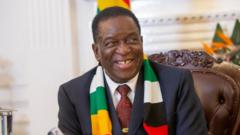
Zimbabwe's political landscape is undergoing a significant transformation following a recent development in its Parliament. A bill has been passed that proposes to extend the presidential term, a move that could fundamentally alter the country's electoral future.
This article delves into the specifics of this pivotal legislation, examining its potential consequences for governance, democracy, and the citizens of Zimbabwe. We will explore the legal intricacies, historical context, and anticipated reactions to this consequential decision.
📑 Table of Contents
1. Understanding the Proposed Bill
The core of the recent legislative action in Zimbabwe centers on a proposed bill that, if fully enacted and implemented, would extend President Emmerson Mnangagwa's time in office. Reports indicate that this bill aims to add two years to the current presidential term. Crucially, it also contains provisions that would potentially scrap direct presidential elections as they are currently understood.
This means that future presidential selections might not involve the direct vote of the populace, a departure from established democratic practices. The proposed changes are complex and have ignited considerable debate regarding their adherence to democratic principles and the spirit of the Zimbabwean constitution.
The Mechanism of Extension
The specific legal mechanisms through which this extension would be achieved are still being scrutinized. However, the parliamentary vote signifies a critical step in the legislative process, moving the proposal closer to potential enactment. Understanding the exact procedural and constitutional pathways is key to grasping the full scope of this political maneuver.
2. The Constitutional Implications
Any move to extend a president's term, especially by altering electoral processes, inherently raises profound constitutional questions. The Zimbabwean constitution, like many democratic frameworks, outlines specific provisions for presidential terms and the methods by which leaders are elected. Such legislative changes necessitate a thorough examination of whether they align with the constitution's foundational principles or require amendments that could be contentious.
The concept of presidential term limits is a cornerstone of democratic governance, designed to prevent the perpetual consolidation of power and encourage regular political renewal. Any proposed circumvention or extension of these limits invites scrutiny regarding the rule of law and the integrity of democratic institutions.
Debates on Constitutional Validity
Legal experts and civil society organizations are likely to engage in rigorous debate concerning the constitutional validity of such a bill. The interpretation of constitutional clauses related to presidential tenure, elections, and the amendment process will be central to these discussions. The long-term implications for the separation of powers and the balance of governmental authority are also critical considerations.
3. Historical Context and Precedents

Zimbabwe's political history is marked by periods of intense debate surrounding presidential powers and electoral reforms. Understanding the current legislative move requires placing it within this broader historical context. Previous administrations have faced similar discussions and controversies regarding term extensions and the electoral system.
The legacy of past political decisions and the evolution of governance structures provide a backdrop against which the current bill must be assessed. It is important to consider whether this proposal represents a continuation of existing trends or a significant deviation from the path of democratic consolidation.
Lessons from the Past
Examining historical precedents, both within Zimbabwe and in other nations that have grappled with similar constitutional questions, can offer valuable insights. The consequences of extending executive terms or altering electoral rules in other contexts have varied widely, offering lessons on potential outcomes, societal impacts, and the resilience of democratic norms.
4. Potential Impact on Democracy and Elections
The most immediate and significant impact of this bill, if enacted, would be on the democratic process in Zimbabwe. Scrapping direct presidential elections fundamentally alters how the nation's leader is chosen. This shift away from direct popular mandate could have far-reaching consequences for political participation, accountability, and the legitimacy of the presidency.
The principle of universal suffrage and the right of citizens to directly elect their leaders are central tenets of modern democracy. Any measure that diminishes these rights warrants careful consideration of its effect on the health and vibrancy of the democratic system.
Future Electoral Landscape
The proposed extension by two years, coupled with the potential elimination of direct elections, paints a picture of a significantly altered electoral landscape. This could influence political party strategies, voter engagement, and the overall dynamics of political competition in the country for years to come. The long-term sustainability of democratic practices is a key concern arising from such changes.
5. International and Domestic Reactions
Significant political developments like this invariably draw reactions from both within the country and from the international community. Domestic civil society organizations, opposition parties, and citizens will likely voice their opinions and concerns regarding the bill's implications for democracy and governance. These internal reactions are crucial indicators of public sentiment and the political climate.
Internationally, governments and organizations that monitor democratic progress will undoubtedly be observing these developments closely. Reactions from the international stage can range from expressions of concern to diplomatic engagement, potentially influencing Zimbabwe's relationships with global partners and its standing in international forums.
Assessing the Broader Implications
The passage of this bill is more than just a parliamentary procedure; it is a signal of potential shifts in Zimbabwe's political trajectory. A thorough assessment requires considering how these changes might affect foreign investment, regional stability, and the ongoing efforts towards democratic consolidation and good governance in the nation.
🔥 Stay informed on critical political developments impacting Zimbabwe and beyond.
Conclusion
The recent parliamentary vote in Zimbabwe to pass a bill proposing an extension to the president's term and potentially altering direct elections marks a critical juncture. This development necessitates a deep understanding of its constitutional, democratic, and societal implications.
As Zimbabwe navigates this new political terrain, the focus will undoubtedly remain on the rule of law, the integrity of its democratic institutions, and the voice of its citizens. The path forward will be shaped by how these complex legal and political questions are addressed.
❓ FAQ
What is the main change proposed by the bill passed in Zimbabwe?
The bill proposes to extend President Emmerson Mnangagwa's term in office by two years and potentially scrap direct presidential elections.
What are the potential constitutional implications of this bill?
The bill raises significant questions about its alignment with the Zimbabwean constitution, particularly regarding presidential term limits and the process of electing the head of state.
Why is the concept of presidential term limits important in democracy?
Presidential term limits are crucial in democracies to prevent the concentration of power, encourage political renewal, and ensure regular accountability to the electorate.
What historical context is relevant to this development?
Zimbabwe's political history, marked by debates over presidential powers and electoral reforms, provides important context for understanding the current legislative move.
How might this bill impact democracy in Zimbabwe?
Scrapping direct presidential elections could fundamentally alter how the leader is chosen, potentially affecting political participation, accountability, and the legitimacy of the presidency.
Comments
Post a Comment