
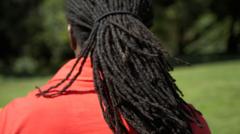
In the complex landscape of American jurisprudence, the intersection of institutional security and individual religious freedom remains a volatile battleground. A recent ruling by the Supreme Court has brought renewed attention to a case involving a Rastafarian inmate who sought damages after prison officials forcibly removed his dreadlocks.
In this comprehensive analysis, we dive deep into the details of the Gregg Williams case, the legal arguments presented by both sides, and what this decision means for religious minorities across the United States.
📑 Table of Contents
1. The Case of Gregg Williams vs. Louisiana
The case centers Gregg Williams, a former inmate in Louisiana who claimed his constitutional rights were severely violated during his incarceration. Williams, a follower of the Rastafarian faith, argued that his dreadlocks are a central part of his religious identity and that having them forcibly cut down by prison guards constituted a form of physical and spiritual assault.
The prison officials maintained that the action was taken for security reasons and standard institutional procedures. However, Williams contended that the guards acted maliciously and showed a complete disregard for his sincerely held religious beliefs. This conflict led to a protracted legal battle that eventually reached the highest court in the land.
The Origin of the Incident
According to the legal filings, the act of shaving the head was not merely a policy enforcement but a targeted violation of his personal autonomy and his connection to his faith practice.
2. Religious Freedom and the First Amendment
The First Amendment of the US Constitution protects the free exercise of religion, a right that extends even to those within the criminal justice system. However, this right is often balanced against the 'compelling interest' of the state to maintain safety, order, and security within high-risk correctional facilities.
The Religious Freedom Restoration Act (RFRA) was designed to protect individuals from government actions that substantially burden their religious practices unless the government demonstrates a compelling interest. In this case, the central question was whether the prison's policies outweighed Williams' right to maintain his hair.
Balancing Rights and Security
Courts often struggle to determine where the line is drawn between necessary security measures and unnecessary infringement on religious expression in incarcerated environments.
3. The Supreme Court's Legal Reasoning

The Supreme Court ultimately declined to hear the case, effectively upholding a lower court's decision that prevented Williams from proceeding with his lawsuit. While the court did not rule on the merits of the religious argument, the procedural hurdles and legal interpretations applied to prison officials were significant.
Legal experts note that the court is often hesitant to expand the liability of government officials for actions taken within correctional environments where individual liberties are already restricted. By refusing to intervene, the court left the status quo in place regarding how prison guards handle religious-related hair-cutting disputes.
The Role of Procedural Immunity
The refusal to hear the case highlights the high bar for inmates seeking damages against state employees for actions performed during their duties.
4. The Significance of Rastafarian Beliefs
For many Rastafarians, dreadlocks are not a fashion choice but a sacred commitment. They are often associated with the Nazarite vow in the Bible, which forbids the cutting of one's hair. For a believer, cutting the hair is seen as a violation of their spiritual covenant and their connection to the divine.
This context is crucial for understanding the emotional and spiritual impact inmates face when they navigate systems that are not designed with their practices in mind. The case highlights the friction between religious diversity and 'sincely held beliefs' as interpreted by a secular legal system.
Cultural Identity in the Legal System
Understanding the theological weight of dreadlocks is essential to grasping why this incident was viewed as such a traumatic event by the plaintiff.
5. Future Implications for Rights in US Prisons
The outcome of this case serves as a precedent for future inmates seeking to challenge prison policies based on religious grounds. It suggests that the legal path to obtaining damages from prison officials remains extremely narrow, especially when security protocols are cited as the primary motivation.
Moving forward, advocacy groups will likely continue to push for clearer guidelines that protect diverse religious practices without compromising the safety of the facility. This ruling underscores the need for ongoing dialogue about how the First Amendment is applied in the unique environment of the incarcerated.
The Path Ahead for Reform
As society becomes more plural, the legal system will face increasing pressure to adapt its interpretation of religious freedom within state institutions.
🔥 Subscribe to Azeem-USA for more deep dives into trending legal news and social issues.
Conclusion
The Supreme Court's decision not to hear the Gregg Williams case highlights the ongoing challenges inmates face in asserting religious rights within the prison system. While the legal battle for Williams may have stalled here, the broader debate about the balance between institutional security and constitutional religious freedom is far from over.
❓ FAQ
Why did the Rastafarian inmate sue the prison guards?
He argued they forcibly cut his dreadlocks, which he considers sacred to his religious faith.
What is the significance of dreadlocks in Rastafarianism?
For many followers, dreadlocks are a religious vow related to the Nazarite tradition and represent spiritual identity.
What did the Supreme Court actually decide?
The court declined to hear the case, effectively upholding a lower court ruling that blocked the lawsuit from proceeding.
Does the First Amendment apply to prisoners?
Yes, it protects the free exercise of religion, though this right is often limited by prison security.
Will this ruling affect other inmates?
It reinforces the difficulty inmates face when trying to sue officials for actions related to prison security policies.
Comments
Post a Comment