
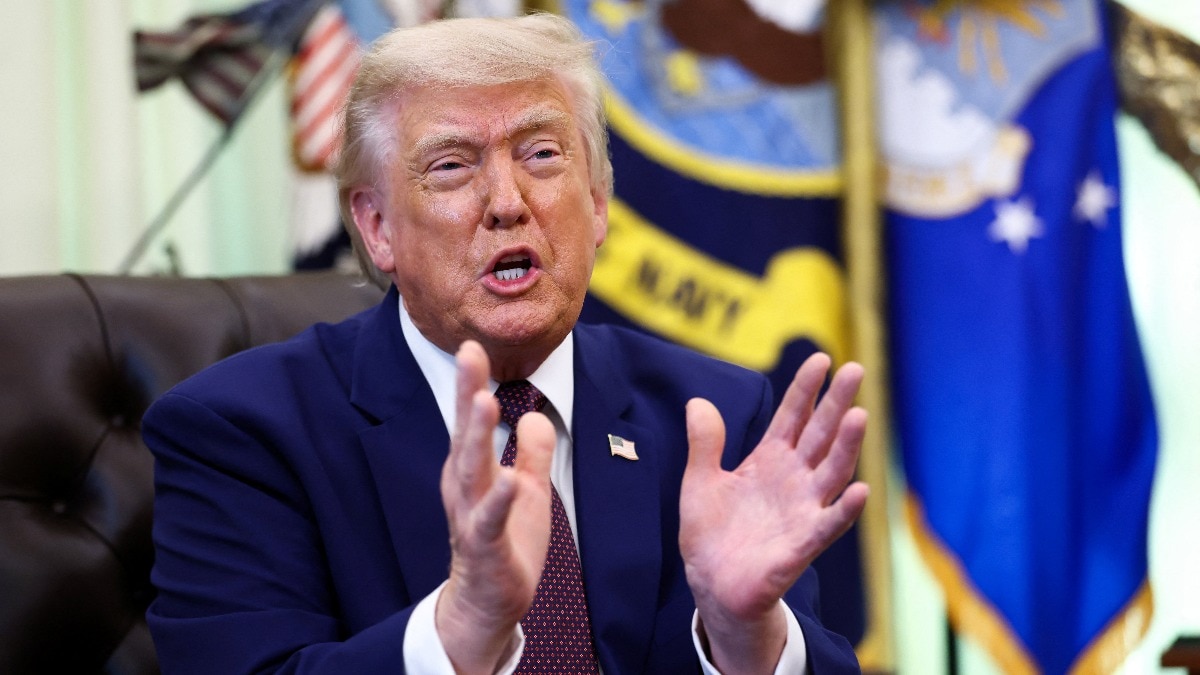
In a dramatic political turn, former President Donald Trump has launched a scathing attack on members of his own Republican party. The reason? Their vote to restrict his ability to engage in further military action against Iran. This move by Congress, supported by a bipartisan coalition, has exposed deep fissures within the Republican ranks and reignited debates about presidential war powers.
This Azeem USA analysis delves into the core of this conflict, examining the congressional vote, Trump's strong condemnation, the identity of the Republicans who broke ranks, and the significant implications for both domestic politics and America's standing on the global stage. Understanding this event is crucial for grasping the current dynamics of power within the GOP and the ongoing tension between executive authority and legislative oversight.
📑 Table of Contents
1. The Congressional Showdown: Limiting Presidential Power

The House of Representatives recently passed a War Powers Resolution, a legislative measure aimed at preventing the President from taking military action against Iran without explicit congressional authorization. This vote was a direct challenge to the Trump administration's perceived unilateral approach to foreign policy and military engagement, particularly in the volatile Middle East.
The resolution’s passage signifies a significant assertion of congressional authority, a power often seen as having been diminished over decades of increasing executive dominance in foreign affairs. Proponents argued that such a resolution was necessary to prevent an escalation of conflict and to ensure that the decision to go to war rests with the people's elected representatives, not solely with the President.
A Bipartisan Effort
It's crucial to note that this was not a purely partisan endeavor. While Democrats largely supported the resolution, a notable number of Republicans also crossed the aisle to vote in favor. This bipartisan support underscored a broader concern among some lawmakers about the potential for unchecked executive action to lead the nation into protracted conflicts without adequate public debate or legislative consent.
2. Trump's Fierce Reaction: 'Unpatriotic' Accusations
Following the vote, former President Trump did not mince words. He publicly denounced the Republicans who supported the resolution, labeling them as 'bad Republicans' and, in some instances, 'unpatriotic.' This strong rhetoric highlights Trump's expectation of unwavering loyalty from his party, even when it comes to matters of national security and foreign policy where traditional checks and balances might suggest a different course.
Trump's reaction framed the vote not as a legitimate exercise of congressional oversight, but as a betrayal of his leadership and, by extension, the party's agenda. His use of terms like 'unpatriotic' suggests a belief that any opposition to his foreign policy decisions, particularly those concerning military action, borders on disloyalty to the nation itself. This framing is a powerful tool in his arsenal, designed to rally his base and to exert pressure on potential dissenters.
The President's Prerogative vs. Congressional Duty
The former President’s stance implies a belief in an expansive view of presidential prerogative in matters of national defense and foreign engagement. He appears to view congressional attempts to constrain his military options as undermining his authority as Commander-in-Chief and potentially weakening America's position on the world stage. This perspective often clashes with the constitutional framework that grants Congress the power to declare war and to fund military operations.
3. The 'Bad Republicans': Who Voted Against Trump?

The group of Republicans who defied Trump on this critical vote represents a significant faction within the party that is increasingly willing to challenge his directives. These lawmakers, often citing concerns for constitutional principles and fiscal responsibility, demonstrated a commitment to their own judgment over strict party line adherence. Their votes were a clear signal that Trump's influence, while still potent, is not absolute within the GOP.
Identifying these individuals is key to understanding the evolving landscape of Republican politics. They often represent districts or states where independent thinking is valued, or they may come from a more traditional conservative background that emphasizes limited government and adherence to constitutional norms. Their willingness to face potential backlash from Trump and his supporters speaks to a deeply held conviction about the proper role of Congress in matters of war and peace.
A Glimpse into the Future GOP
The actions of these Republicans offer a potential preview of the future direction of the party. While Trump's base remains loyal, a growing segment of the GOP appears to be re-emphasizing traditional conservative principles, including a skepticism of foreign entanglements and a strong belief in legislative oversight. This ideological tension could define Republican politics for years to come.
4. Implications: A Divided Party and Foreign Policy Uncertainty
The fallout from this vote has clearly illustrated the ongoing divisions within the Republican Party. Trump's sharp criticism of his own party members creates a challenging environment for those seeking to maintain party unity while also upholding their own principles. This internal conflict can weaken the party's ability to present a united front on other critical issues, both domestically and internationally.
Furthermore, the situation raises questions about the consistency and predictability of U.S. foreign policy. When a significant number of lawmakers, even within the ruling party, are at odds with the executive branch on matters of national security, it can send mixed signals to allies and adversaries alike. This perceived indecision or internal conflict can embolden adversaries and sow doubt among allies about America's commitment and strategic clarity.
The Delicate Balance of Power
The vote and Trump's reaction underscore the delicate balance of power between the executive and legislative branches in foreign policy. While the President is the chief diplomat and commander-in-chief, Congress holds significant constitutional powers that are meant to act as a check. When this balance is perceived as being disrupted, it can lead to political instability and policy uncertainty.
5. The Broader Context: Presidential Authority and Congressional Oversight
This entire episode is a microcosm of a long-standing debate in American governance: the extent of presidential authority versus the necessity of robust congressional oversight, particularly concerning the use of military force. Historically, presidents have often sought to expand their powers in foreign affairs, citing national security imperatives. However, Congress has consistently pushed back, seeking to reclaim its constitutional role.
The War Powers Resolution itself is a product of such historical tensions, enacted after the Vietnam War to reassert legislative control over military engagements. The recent vote in the House, and Trump's reaction to it, demonstrates that this debate is far from settled. It highlights the ongoing struggle to define the boundaries of executive power in an era of complex global challenges and rapid technological advancements in warfare.
Looking Ahead: A Call for Deliberation
Ultimately, the actions of these Republicans, and Trump's response, serve as a potent reminder of the importance of deliberation and consent in matters of war. It is a call for a more balanced approach, where foreign policy decisions are not made in a vacuum, but are subject to the scrutiny and approval of the legislative branch, ensuring a more democratic and thoughtful path forward for American foreign engagement.
🔥 Stay informed on critical political developments shaping America's future.
Conclusion
The clash over the Iran war powers resolution has laid bare the deep ideological and personal rifts within the Republican Party. Former President Trump's labeling of those who voted against him as 'bad Republicans' and 'unpatriotic' underscores his demand for absolute loyalty and his expansive view of presidential authority.
However, the bipartisan support for the resolution signals a growing desire among lawmakers, regardless of party, to reassert congressional oversight in foreign policy and military actions. This event is not just about Iran; it's a critical juncture in the ongoing debate about the balance of power in American governance and a preview of the political battles to come within the GOP and on the world stage.
❓ FAQ
What is a War Powers Resolution?
A War Powers Resolution is a congressional measure that allows the House and Senate to pass legislation limiting the president's ability to use military force without explicit authorization from Congress.
Why did Trump criticize Republicans who voted for the resolution?
Trump criticized them because he viewed their vote as undermining his authority as Commander-in-Chief and as an act of disloyalty, labeling them 'bad Republicans' and 'unpatriotic'.
Was the vote to block Trump from ordering more strikes on Iran bipartisan?
Yes, the vote had bipartisan support, with both Democrats and a notable number of Republicans voting in favor of the resolution.
What does this vote mean for presidential war powers?
It represents an assertion of congressional authority in foreign policy and military engagement, challenging the trend of expanding executive power in these areas.
How does this event reflect divisions within the Republican Party?
It highlights a divide between Republicans who prioritize loyalty to Trump and those who adhere to more traditional conservative principles emphasizing legislative oversight and limited government.
Comments
Post a Comment