
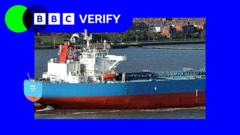
The recent entry of a Russian-flagged tanker, the 'Forwarder', into the English Channel marks a notable development in global maritime affairs. This event is particularly significant as it represents the first time a vessel associated with Russia's 'shadow fleet' has navigated these crucial waters since a widely reported boarding incident involving the tanker Smyrtos. Azeem USA delves into what this return signifies for international trade, maritime security, and the ongoing geopolitical landscape.
This movement by the 'Forwarder' raises critical questions about the evolving strategies employed by Russia to circumvent sanctions and maintain its energy exports. We will explore the context of the shadow fleet, the lessons learned from past incidents, and the potential ramifications of this renewed activity in one of the world's busiest shipping lanes.
1. The Return to the Channel: A New Era?
The appearance of the 'Forwarder' in the English Channel, having departed from Primorsk, Russia, signifies more than just a routine transit. It suggests a calculated recalibration of routes by operators utilizing the 'shadow fleet' – a collection of vessels often older, uninsured, and reflagged to obscure ownership and circumvent international regulations. The Channel is a vital artery for global trade, and its use by these specific tankers indicates a desire to access key markets or transit points while potentially minimizing scrutiny.
This move comes after a period of increased vigilance and regulatory attention on such vessels. The 'Forwarder's' passage could be interpreted as a test of the current enforcement landscape or a signal that operators are confident in their ability to navigate these waters without significant disruption. The implications for maritime authorities and security agencies are substantial, requiring a renewed focus on monitoring and identifying these non-standard shipping operations.
Increased Scrutiny and Regulatory Challenges
The presence of the 'Forwarder' will undoubtedly heighten scrutiny from maritime authorities in the UK, France, and other European nations. The challenge lies in balancing the freedom of navigation with the need to prevent illicit activities, such as sanctions evasion or the transport of unsafe cargo. The effectiveness of current monitoring systems will be tested, potentially leading to calls for enhanced international cooperation and stricter enforcement protocols.
2. Understanding the 'Shadow Fleet' Phenomenon
The term 'shadow fleet' emerged to describe a growing number of tankers operating outside traditional international maritime insurance and regulatory frameworks. These vessels are often acquired by opaque entities, reflagged to countries with lax oversight, and used primarily to transport Russian oil and other commodities, particularly after Western sanctions were imposed following the invasion of Ukraine. Their operational model is designed to circumvent the spirit, if not the letter, of these sanctions.
Key characteristics of the shadow fleet include older ship designs, a lack of comprehensive insurance coverage from reputable international providers, and the use of ship-to-ship transfers to obscure the origin and destination of cargo. This clandestine nature makes them difficult to track and regulate, posing risks related to environmental disasters, safety standards, and the evasion of international economic policies. The 'Forwarder' fits this profile, its journey highlighting the persistent challenges in governing global oil trade.
The Economics and Geopolitics of Evasion
The economic rationale behind the shadow fleet is clear: to continue exporting Russian oil and gas despite international sanctions and price caps. By using these alternative vessels and routes, Russia can maintain revenue streams crucial for its economy, while buyers can still access energy resources, often at discounted prices. This has created a complex geopolitical dynamic, where international efforts to isolate Russia are partially undermined by the realities of the global energy market.
3. The Smyrtos Incident: A Precedent Set

The boarding of the 'Smyrtos' tanker in September 2023 by Greek authorities, acting on a request from the U.S., brought the issue of the shadow fleet into sharp focus. The 'Smyrtos', carrying Iranian oil, was boarded in the Mediterranean amid allegations of its involvement in sanctions violations. This incident demonstrated that while these vessels aim for obscurity, they are not immune to international legal and enforcement actions.
The Smyrtos case served as a potent reminder that operating outside established norms carries risks. It signaled to the operators of these shadow fleet tankers that their activities could attract unwanted attention from law enforcement and regulatory bodies, potentially leading to seizures or other punitive measures. The fact that a Russian-flagged tanker is now entering the Channel suggests that either the perceived risks have diminished, or the operators believe they can manage them.
Lessons Learned and Evolving Tactics
The Smyrtos incident, and others like it, have provided valuable intelligence for maritime security agencies. It has highlighted the need for robust tracking mechanisms, international cooperation, and clear legal frameworks for addressing sanctions evasion. The operators of the shadow fleet, in turn, have likely adapted their tactics, perhaps by choosing less conspicuous routes or employing more sophisticated methods to mask their operations. The 'Forwarder's' transit could be a result of these evolving strategies.
4. Navigating the Implications: Security and Trade
The entry of a shadow fleet tanker into the English Channel has multifaceted implications. From a security standpoint, it raises concerns about potential illicit activities, including the smuggling of goods or the transport of unsafe materials. The lack of transparent ownership and insurance makes it harder to assign responsibility in case of an accident, such as an oil spill, which could have devastating environmental consequences for coastal nations.
Economically, the presence of these vessels complicates efforts to enforce international sanctions and price caps on Russian oil. It allows Russia to continue exporting its energy resources, potentially impacting global energy prices and the effectiveness of Western economic pressure. For legitimate shipping companies, the shadow fleet can create an uneven playing field, as these vessels may operate with lower overheads due to circumventing regulatory and insurance costs.
Environmental and Safety Risks
Older tankers, often characteristic of the shadow fleet, generally have lower safety standards and are more prone to mechanical failures. The English Channel is a high-traffic area with sensitive marine ecosystems. An incident involving a poorly maintained or uninsured vessel could lead to a catastrophic environmental disaster, with long-lasting repercussions for the region's economy and environment. This underscores the importance of stringent oversight, even for vessels transiting through international waters.
5. The Future of Russian Oil and Maritime Routes
The continued operation and evolving tactics of the Russian shadow fleet suggest that this is a phenomenon that will persist as long as international sanctions remain in place and global demand for energy continues. The 'Forwarder's' passage through the Channel is likely not an isolated event but an indicator of ongoing strategic adjustments by Russia and its trading partners to maintain energy flows.
Looking ahead, the international community faces the challenge of adapting its regulatory and enforcement mechanisms to effectively address the complexities introduced by the shadow fleet. This may involve enhanced surveillance technologies, greater intelligence sharing among nations, and potentially new international agreements to govern the operation of such vessels. The balance between facilitating legitimate trade and preventing illicit activities will remain a critical point of tension.
Adapting to a Changing Maritime Landscape
The resilience of the shadow fleet highlights the intricate interplay between geopolitics, economics, and global trade. As Russia seeks to maintain its position as a major energy exporter, and other nations seek to limit its economic capacity, the maritime sector will continue to be a key battleground. The 'Forwarder's' journey is a chapter in this ongoing narrative, underscoring the need for vigilance, innovation, and international cooperation in safeguarding global maritime security and economic stability.
🔥 Stay informed on global maritime news and geopolitical shifts with Azeem USA.
Conclusion
The passage of the 'Forwarder' through the English Channel serves as a stark reminder of the complex realities of the global energy market and the evolving strategies employed to navigate international sanctions. The resurgence of Russian shadow fleet activity in such a critical maritime zone necessitates a comprehensive and coordinated response from international bodies and coastal states.
As geopolitical tensions continue to shape global trade, understanding the mechanisms and implications of the shadow fleet is crucial. Azeem USA will continue to monitor these developments, providing insights into the future of maritime security, energy transport, and the ever-changing global economic landscape.
❓ FAQ
What is the 'shadow fleet' in the context of Russian tankers?
The 'shadow fleet' refers to a collection of oil tankers, often older and reflagged, that are used to transport Russian oil and other commodities, frequently operating outside traditional international insurance and regulatory frameworks to circumvent sanctions.
Why is the entry of a Russian shadow fleet tanker into the Channel significant?
It is significant because the English Channel is one of the world's busiest shipping lanes, and this marks the first time a vessel associated with the shadow fleet has entered it since the Smyrtos boarding incident, suggesting a potential shift in operational strategies or a test of current enforcement.
What were the implications of the Smyrtos boarding incident?
The boarding of the 'Smyrtos' highlighted the risks associated with the shadow fleet and demonstrated that operators are not immune to international legal and enforcement actions, potentially leading to seizures or other penalties.
What are the main risks associated with the shadow fleet?
The risks include environmental disasters due to potentially lower safety standards of older vessels, sanctions evasion that undermines international economic policies, and difficulties in assigning responsibility in case of accidents.
How might this affect international maritime security?
It increases the challenge for maritime authorities to monitor and regulate shipping, potentially leading to calls for enhanced surveillance, stricter enforcement, and greater international cooperation to prevent illicit activities and ensure safety.
Comments
Post a Comment