Kristi Noem Out as Trump Envoy for Shield of the Americas 🚨 Breaking News Analysis 📸 Image Credit: cbsnews.com By Azeem-USA · Fri Oct 16 2026 English (en-US) Kristi Noem, former Homeland Security Secretary and a prominent figure in conservative politics, is no longer serving as the Trump administration's special envoy for the Shield of the Americas initiative. A State Department official confirmed the change late Thursday, stating her envoy status expired last month. This development marks a significant shift in a key diplomatic role focused on Western Hemisphere security. This analysis breaks down the facts, explores the initiative's importance, and examines the potential implications of Noem's departure from this specific post. 📑 Table of Contents Noem's Envoy Status Ends What is the Shield of the Americas? Why the Change Now? Implications for Regional Security Looking Ahead FAQ #Azeem_USA #Breakingnews #Azeem_USA #Breakin...


The recent escalation of conflict between the United States and Iran has reached a definitive conclusion through a fragile diplomatic agreement. While the deal successfully halts active fighting and re-opens the vital Strait of Hormuz, the underlying reality is a sobering reflection on the current state of global power dynamics.
In this analysis, we explore why this specific conflict revealed the inherent limits of US dominance and what the return to the pre-war status quo signifies for the future of international American foreign policy.
📑 Table of Contents
1. The High Cost of the Status Quo
The conclusion of the hostilities leaves the primary actors standing almost exactly where they were twenty-four hours before the war began. However, the human and political cost is staggering, with thousands of lives lost in a conflict that failed to achieve a decisive shift in the regional landscape.
When a war ends without altering the balance of power, it raises difficult questions about the utility of military force in modern diplomacy. The United States sought to project strength and deter Iranian influence, but the result was a stalemate that exhausted resources on both sides.
The Human Toll of Strategic Stagnation
The loss of thousands of individuals represents a tragic price that cannot be ignored by policymakers. This cost underscores that military engagement does not always translate into long-term strategic victories.
2. The Strait of Hormuz: A Strategic Bottleneck
The Strait of Hormuz remains one of the most critical chokepoints in the world. With a significant portion of the world's oil supply passing through this narrow waterway, any threat to its closure triggers global economic anxiety, forcing the US to intervene with a heavy hand.
The re-opening of the strait was the primary objective of the deal, yet the fact that it required a full-scale war to secure highlights the vulnerability of global supply chains to regional conflicts.
Energy Security and Global Leverage
The global reliance on this passage means that any regional actor capable of threatening traffic flow holds immense leverage over the global economy, regardless of their military size compared to the US.
3. The Illusion of Absolute Military Dominance
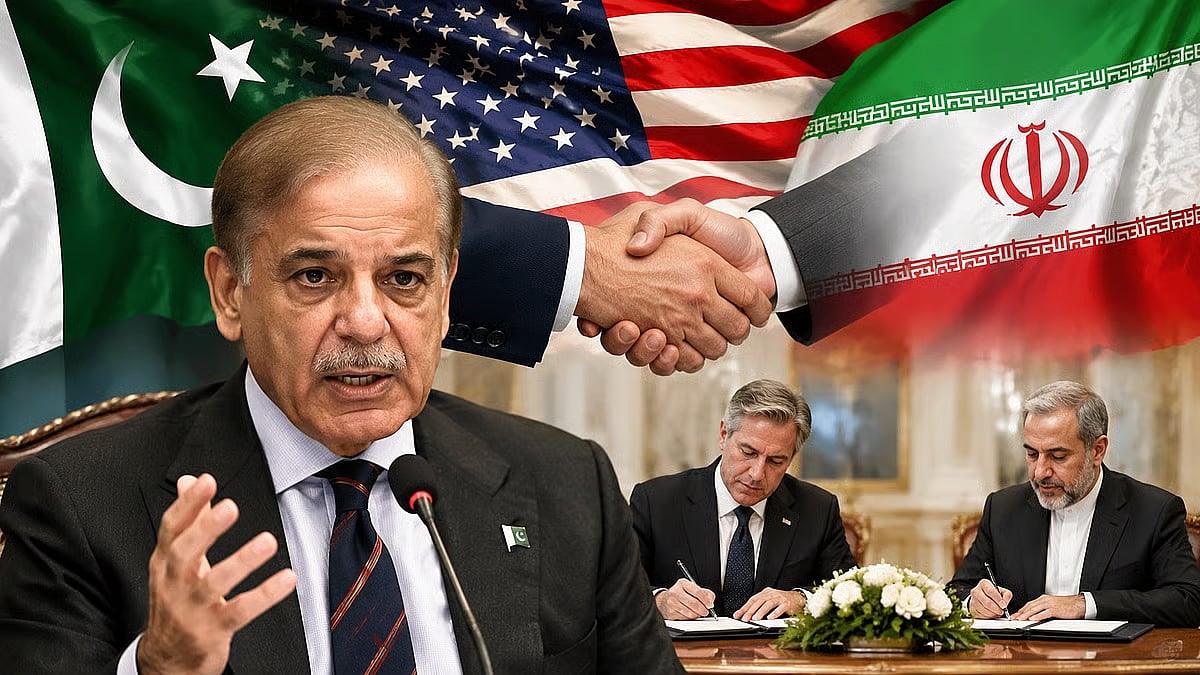
For decades, the United States has operated under the assumption of unrivaled military overmatch. However, this conflict demonstrated that asymmetric warfare and regional resolve can allow a smaller power to limit the effectiveness of the world's most powerful military.
Iran's ability to endure the conflict despite overwhelming pressure showed that military dominance is not synonymous with total political control. The cost of total victory would have been too high for the international community to bear.
Asymmetric Warfare in the Modern Era
Modern technology like drones and missile systems has allowed smaller states to challenge traditional superpowers, effectively leveling the playing field in ways that were not once possible thirty decades ago.
4. Geopolitical Implications of the Peace Deal
The peace deal is not a victory for either side but a recognition of mutual exhaustion. By returning to the pre-war positions, the parties have acknowledged that the core issues of ideology and regional influence remain unaddressed by kinetic means alone.
This shift suggests a move toward a multipolar world where the US can no longer dictate outcomes through unilateral action. Diplomacy must now navigate a much more complex web of regional interests.
The Rise of Multipolar Realism
As the US faces limits in its dominance, other global players like China and Russia are finding opportunities to fill the vacuum, complicating the strategic landscape for American diplomats alike.
5. The Future of Middle Eastern Power Dynamics
Looking forward, the Middle East will remain a region of high tension. The deal provides a temporary reprieve, but the underlying grievances—ranging from nuclear ambitions to regional proxy wars—have not been resolved by a ceasefire alone.
The US must now decide if it will continue to pursue a policy of deterrence or pivot toward a more integrated engagement that acknowledges the limits of its reach.
The New Normal of Regional Competition
The future will likely be defined by how these regional powers manage competition without descending into total war, which threatens the global economy and stability.
🔥 Subscribe to Azeem-USA for more insights into global geopolitical shifts and strategic analysis.
Conclusion
The Iran deal serves as a landmark marker for the end of undisputed US global dominance. While the immediate fighting has stopped and the Strait is open, the reality is that military force cannot solve deep-seated geopolitical divides in the modern world.
We are entering an era where diplomacy and the recognition of limits will be just as vital as the projection of raw power.
❓ FAQ
What was the primary goal of the Iran deal?
The primary goal was to end fighting and re-open the Strait of Hormuz to ensure global energy security.
Why is the Strait of Hormuz so important?
It is a vital maritime route through which a massive portion of the world's oil supply passes.
Did the war change the balance of power?
No, the deal left the sides largely where they were 24 hours before the war started.
What does this conflict say about US military power?
It reveals that asymmetric warfare and regional resolve can limit the effectiveness of total US military dominance.
What is the human cost of the conflict?
The conflict resulted in thousands of deaths before the ceasefire was reached.
Comments
Post a Comment