

France is currently grappling with an unprecedented meteorological challenge as more than half of the country is placed under red heat alerts. This extreme thermal event has forced the government to take drastic measures to ensure the safety of its citizens across various regions.
In this in-depth analysis, we explore the severity of the current heatwave, the impact on the educational system, and the critical health warnings issued by officials as temperatures reach their peak.
📑 Table of Contents
1. The Scale of the French Heatwave Crisis
The current heatwave sweeping across France is nothing short of a national emergency. With over half of the territory under a red alert—the highest level of danger—temperatures are reaching levels that pose a significant threat to life and health. This is not merely a typical summer spike but a systemic weather event that tests the resilience of the nation's infrastructure.
Meteorologists have indicated that temperatures are set to peak on Monday, creating a pressure cooker effect in major urban centers. The geographic spread of the red alert covers from the coastal regions to the inland provinces, leaving few areas untouched by the swel heat.
Understanding the Red Alert System
The red alert signifies that the heat is extreme and the risk to health is high. It requires immediate action from authorities and individuals to prevent heat-related fatalities.
2. Educational Disruption: Why Schools are Closing
One of the most visible impacts of this crisis is the decision to close schools across multiple departments. Many educational buildings in France were not designed with modern cooling systems, making them potentially dangerous traps during peak heat hours. When indoor temperatures exceed a certain threshold, the learning environment becomes untenable and poses a risk of heatstroke to children.
Authorities have argued that the safety of students must take precedence over the academic calendar. While the sudden closures cause significant logistical hurdles for parents, they are seen as a necessary precaution to prevent dehydration and heat exhaustion among the youth and staff staff.
The Impact on School Infrastructure
Older school buildings, particularly in rural areas, often lack thermal insulation and air conditioning, rendering them unusable during red-alert heatwaves.
3. Health Warnings and Vulnerable Populations
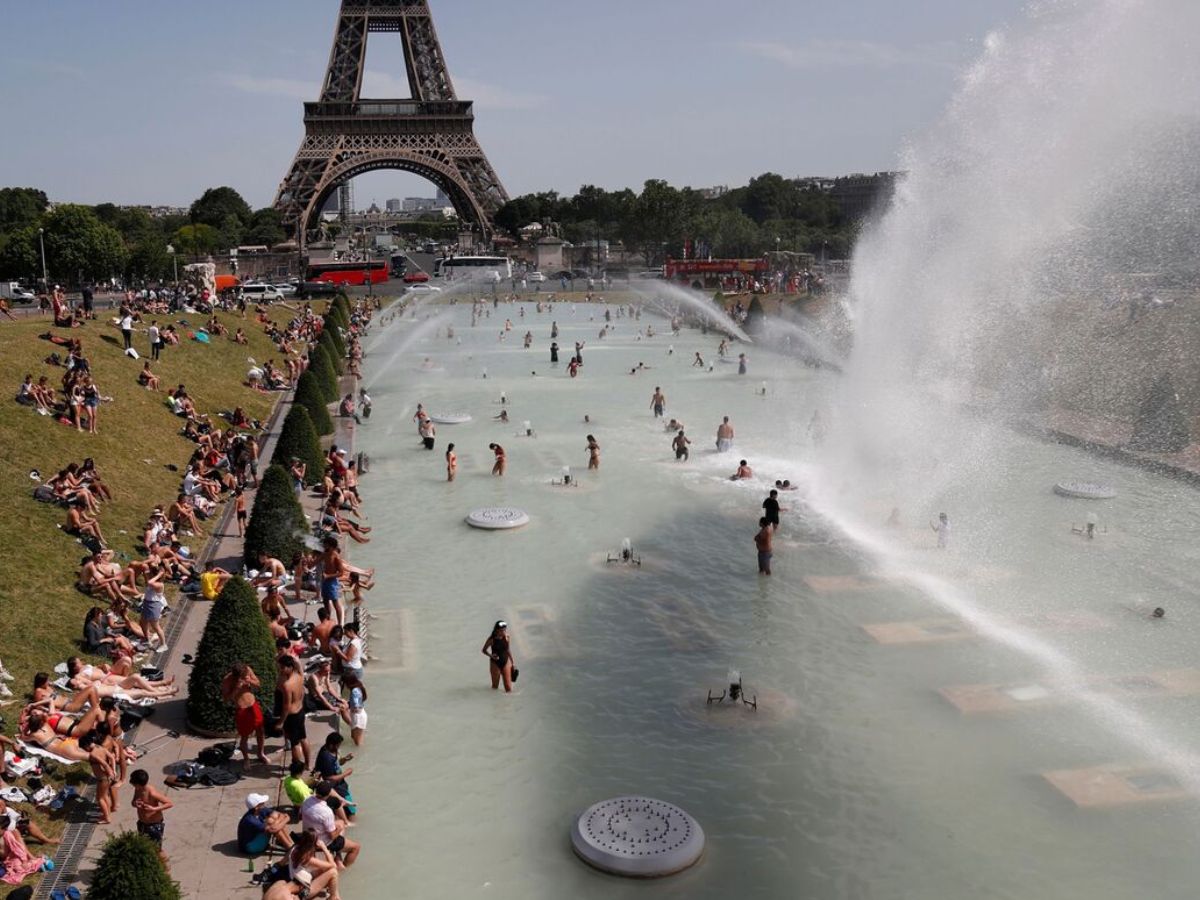
The French health minister has issued a stern warning, stating that many citizens will suffer if they do not take precautions. The warning is particularly directed at the elderly, young children, and those with pre-existing medical conditions. The physiological stress placed on the body by such high ambient temperatures can lead to severe cardiovascular and respiratory issues.
Public health officials are urging the population to stay hydrated, avoid physical exertion during the day, and check on vulnerable neighbors. The government emphasizes that the night hours are also dangerous, as temperatures may not drop enough to allow the body to recover from the day's heat.
Critical Strategies for Heat Safety
Maintaining hydration and seeking out cool, ventilated environments are the primary defenses against the rising tide of illness during this peak event.
4. Infrastructure Challenges in Urban France
Urban environments like Paris and other major cities are particularly vulnerable due to the heat island effect. Concrete and asphalt absorb heat during the day and release it at night, preventing the city from cooling down. This phenomenon exacerbates the health risk for residents living in densely populated areas with limited access to green space.
The infrastructure of the power grid is also a concern as the demand for air conditioning spikes, though many French households cannot afford the cost of cooling. This disparity highlights the growing need for better urban planning that incorporates more trees and sustainable cooling methods to mitigate the rising global temperatures.
Adapting Cities for Heat
Future urban design must prioritize green canopies and reflective surfaces to combat the lethal effects of the heat island effect in dense metropolitan areas.
5. The Long-term Implications for European Climate
This heatwave serves as a stark reminder of the shifting climate patterns in Europe. What were once considered once-in-a-century events are becoming increasingly frequent and intense. The frequency of red alerts necessitates a re-evaluation of how societies prepare for extreme weather events.
As France and other European nations face these challenges, the focus is shifting from reactive measures to long-term adaptation. This includes retrofitting buildings, changing public health policies, and investing in climate-resilient infrastructure to ensure that the population can survive the coming decades.
The Path Toward Resilience
Investment in climate-resilient infrastructure is no longer optional but a necessity for national survival and stability in a warming world.
🔥 Subscribe to Azeem-USA for more insights on global climate trends and news.
Conclusion
The current heatwave in France highlights the extreme vulnerability of modern infrastructure to rapid climate shifts. With schools closed and temperatures peaking on Monday, the focus remains on protecting the most vulnerable members of the population.
This event is likely a catalyst for broader discussions regarding climate adaptation and public health preparedness across the continent and beyond.
❓ FAQ
What does a red heat alert mean in France?
It is the highest level of danger, indicating extreme heat that poses a high risk to health and life.
Why are schools closing?
Many school buildings lack adequate cooling, making indoor temperatures dangerously high for students and staff.
When are temperatures expected to peak?
Temperatures are set to reach their peak on Monday.
Who is most at risk during this heatwave?
The elderly, young children, and individuals with pre-existing medical conditions.
How can citizens stay safe during the heat?
By staying hydrated, avoiding daytime exertion, and staying in cool environments.
Comments
Post a Comment