Breaking: Trump Considers Joining Saudi Strikes After Riyadh Airport Hit 🚨 Breaking News Analysis 📸 Image Credit: yahoo.com By Azeem-USA · Sun Oct 11 2026 English (en-US) Riyadh's King Khalid International Airport was struck for a second consecutive day on Sunday, with a projectile hitting a passenger terminal. This latest attack follows a deadly missile strike on Saturday that killed 12 people and wounded hundreds, marking a significant escalation in the Yemen conflict. The renewed violence coincides with reports that former President Donald Trump is weighing the possibility of joining Saudi Arabia's military campaign, a move that could dramatically alter regional dynamics. This analysis will delve into the immediate aftermath of the airport attacks, explore the implications of Trump's potential involvement, provide context on the protracted Yemen war, examine the broader regional ramifications, and assess the likely next steps in t...

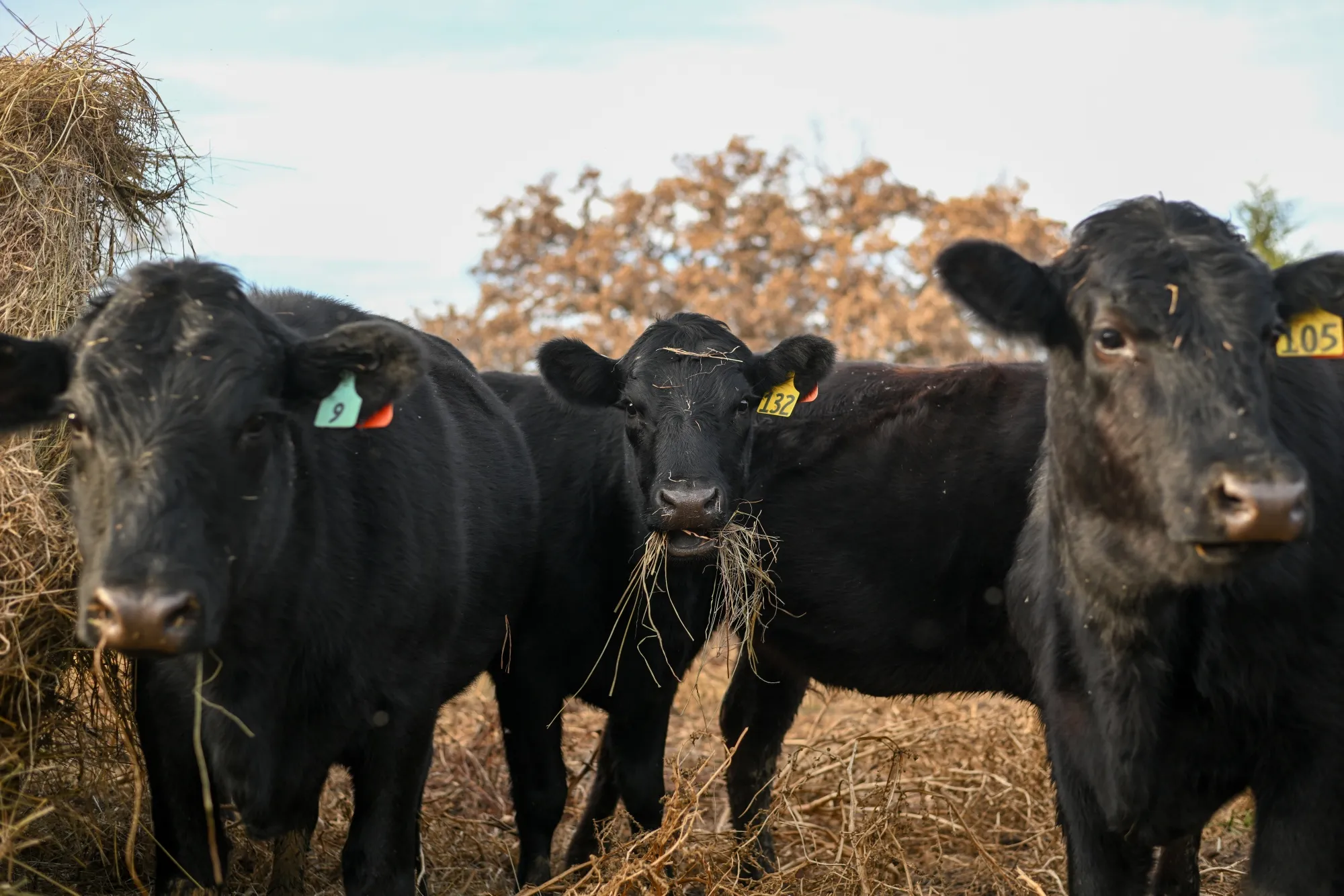
A grave concern has emerged for the American agricultural sector with the confirmed presence of the deadly New World screwworm in the United States. This flesh-eating parasite poses a significant threat to the nation's vital cattle herds, sparking urgent calls for vigilance and swift action.
Understanding the nature of this parasite, its potential impact, and the strategies being deployed to combat it is crucial for farmers, ranchers, and anyone invested in the health and security of our food supply.
📑 Table of Contents
1. Understanding the Screwworm Threat
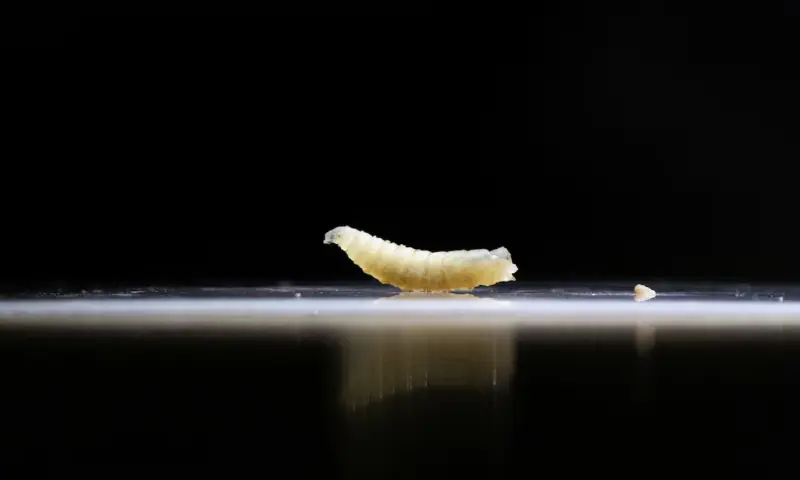
The New World screwworm (Cochliomyia hominivorax) is a voracious insect larva that feeds on living flesh. Unlike typical blowflies that lay eggs on dead tissue, screwworms specifically target warm-blooded living animals, including livestock and, rarely, humans. The female fly lays her eggs in the open wounds of animals, and upon hatching, the larvae burrow into the host's tissue, feeding and growing.
This parasitic infestation can cause severe tissue damage, leading to secondary infections, significant weight loss, reduced productivity, and in severe cases, death. The economic implications for livestock producers are substantial, as afflicted animals require intensive treatment and may be rendered unsaleable or even fatal.
Historical Context of Screwworm Eradication
The screwworm was once a devastating pest in the United States, causing an estimated $20 million in annual losses in the 1930s (equivalent to hundreds of millions today). A remarkable eradication program, utilizing sterile insect technique where millions of sterile male flies were released to mate with wild females, successfully eliminated the pest from the US by the mid-1960s. This scientific triumph serves as a benchmark, but the recent detection highlights the constant need for surveillance.
2. First Case and Spread Concerns
The recent alarm was sounded with the confirmation of the first screwworm case in the US in over a decade. A calf in South Texas was found to be infested with the parasite, immediately triggering a response from state and federal animal health officials. The proximity to the Mexican border is a significant factor, as screwworms remain endemic in parts of Mexico and Central and South America.
This detection raises immediate concerns about the potential for the parasite to establish itself in the US, particularly in regions with large cattle populations and climates conducive to the screwworm's life cycle. The worry is that this isolated case could be the vanguard of a larger incursion, threatening to undo decades of successful eradication efforts.
The Role of Border Surveillance
The crossing of the screwworm parasite from Mexico into Texas underscores the critical importance of robust border surveillance and control measures. The USDA's Animal and Plant Health Inspection Service (APHIS) plays a vital role in monitoring for exotic pests and diseases that could impact American agriculture and livestock. Early detection, as seen in this instance, is paramount to preventing widespread outbreaks.
3. Impact on the US Cattle Industry

The US cattle industry is a cornerstone of American agriculture, contributing billions of dollars to the economy and providing essential protein for consumers. The re-emergence of the screwworm poses a direct and serious threat to this multi-billion dollar sector. Infested cattle can suffer greatly, leading to reduced meat and milk production, breeding difficulties, and increased mortality rates.
Beyond the direct impact on individual animals, an outbreak could lead to significant economic losses for ranchers through treatment costs, lost productivity, and potential trade restrictions if the parasite were to spread more widely. The psychological toll on farmers who have worked to maintain healthy herds also cannot be overlooked, facing the potential devastation of a pest they believed was vanquished.
Economic Repercussions and Consumer Confidence
A widespread screwworm infestation could ripple through the entire agricultural supply chain. Increased production costs could translate to higher prices for consumers. Furthermore, concerns about animal health and the integrity of the food supply could erode consumer confidence, impacting demand for beef and dairy products.
4. Containment and Eradication Efforts
Upon confirmation of the infested calf, state and federal agencies immediately mobilized. The primary objective is to contain the parasite and prevent its further spread. This involves intensive investigation to identify any other potentially infested animals in the vicinity, as well as implementing treatment protocols for any affected livestock.
The USDA, alongside Texas state officials, is working to trace the origin of the infested calf and assess the extent of any potential spread. This includes epidemiological investigations, increased monitoring of livestock, and rapid response measures to treat and control any new cases. The sterile insect technique, which was so successful in the past, is a key tool in the arsenal should the situation escalate.
The Sterile Insect Technique (SIT) Revisited
The Sterile Insect Technique involves mass-rearing and sterilizing male screwworm flies, which are then released into the affected areas. These sterile males mate with wild females, but their offspring do not survive, effectively crashing the wild population over time. This environmentally friendly method has proven highly effective in eradicating screwworms in the past and is a primary strategy if containment proves insufficient.
5. Preventing Future Incursions
The detection of the screwworm in Texas serves as a stark reminder that vigilance is an ongoing necessity. While eradication programs have been successful in the past, the constant movement of animals and goods across borders, especially from regions where the parasite is endemic, presents a persistent risk. Strengthening biosecurity measures at ports of entry and along the border is paramount.
This includes enhanced inspection protocols for livestock, vehicles, and goods originating from or transiting through screwworm-affected areas. Public awareness campaigns are also vital, educating ranchers and veterinarians on recognizing the signs of screwworm infestation and reporting suspected cases immediately. The collective effort of industry stakeholders and government agencies is key to maintaining the screwworm-free status of the US.
The Importance of a Coordinated Response
A swift, coordinated, and well-resourced response is essential to address this threat effectively. Collaboration between federal agencies like the USDA, state agricultural departments, veterinary professionals, and livestock producers is critical. Sharing information, implementing standardized protocols, and investing in surveillance and control technologies will be crucial in safeguarding the nation's cattle herds from this dangerous parasite.
🔥 Stay informed and report any suspected screwworm cases to your local veterinarian or agricultural authorities.
Conclusion
The re-emergence of the deadly screwworm parasite in the United States is a serious development that demands immediate attention and a robust, coordinated response. The potential threat to the nation's cattle herds is significant, carrying substantial economic and agricultural implications.
By learning from past successes, strengthening surveillance, and implementing swift containment and eradication strategies, the US agricultural community can work to overcome this challenge and protect a vital industry for the future.
❓ FAQ
What is the New World screwworm?
The New World screwworm is a parasitic fly whose larvae feed on the living flesh of warm-blooded animals, causing severe damage and potentially death.
Where was the recent screwworm case confirmed in the US?
The most recent confirmed case was in a calf in South Texas.
How does the screwworm spread?
Female screwworm flies lay eggs in open wounds of animals. The larvae hatch and feed on the host's living tissue.
Has the US faced screwworms before?
Yes, screwworms were a major pest in the US until the mid-1960s when a successful eradication program using sterile insects was completed.
What is being done to control the screwworm?
Efforts include intensive investigation, surveillance, treatment of infested animals, and potentially the re-application of the sterile insect technique to prevent spread.
Comments
Post a Comment