
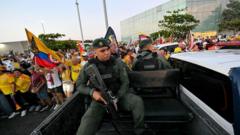
Colombia stands at a critical juncture. Its upcoming presidential election is not merely a contest of ideologies and policy proposals; it is profoundly shaped by the escalating, brutal internal conflict that has long plagued the nation. The very fabric of Colombian society is being tested, forcing voters to confront difficult questions about security, peace, and the future direction of their country.
This post will delve into the intricate relationship between Colombia's internal conflict and its presidential election. We will explore the key candidates, the complex dynamics of armed groups, the influence of international players, and the immense challenges and opportunities that lie ahead for a nation striving for lasting peace and stability.
📑 Table of Contents
1. The Shadow of Violence: A Nation at a Crossroads
The pervasive reality of armed conflict in Colombia casts a long and dark shadow over the current presidential election. Decades of fighting involving a complex web of state forces, leftist guerrillas, right-wing paramilitaries, and increasingly, powerful criminal organizations, have left deep scars on the nation. This ongoing violence, which continues to claim lives, displace communities, and fuel illicit economies, has elevated security and peace negotiations to the forefront of the electoral debate.
Voters are acutely aware that the next president will inherit a profoundly challenging security landscape. The promises of peace, reconciliation, and improved public safety are not abstract ideals but urgent necessities. The ability of candidates to present credible and effective strategies for tackling this multifaceted conflict is a defining factor in their appeal to an electorate weary of bloodshed and instability. The very legitimacy of the democratic process is on trial, as many citizens question whether meaningful change is possible amidst such persistent violence.
The Human Cost of Conflict
The human cost of Colombia's internal conflict is staggering. Millions have been displaced, thousands have been victims of massacres, and the scars of violence run deep through families and communities. This lived experience of conflict directly influences voter priorities, often overshadowing economic concerns or social reforms.
2. Candidate Profiles: Contrasting Visions for Colombia
The Colombian presidential election presents a stark contrast in leadership and proposed solutions, largely dictated by their approaches to the internal conflict. On one side stands a left-wing senator, a figure who advocates for dialogue and negotiation with various armed groups, including powerful criminal gangs. This approach signals a willingness to explore unconventional pathways to peace, potentially involving amnesty or reduced sentences in exchange for disarmament and an end to violence.
Conversely, an outsider candidate, endorsed by former US President Donald Trump, represents a more traditional, hard-line stance on security. This candidate typically emphasizes law and order, robust military action against armed actors, and a less conciliatory approach to negotiation. The divergence in these platforms forces voters to choose between a path that prioritizes de-escalation through dialogue, even with controversial actors, and one that leans on established security paradigms and zero-tolerance policies. This fundamental disagreement over how to achieve peace is a central theme of the election.
The Appeal of Dialogue vs. Force
The debate over dialogue versus force reflects differing philosophies on how to dismantle illicit armed structures and achieve lasting peace. While dialogue proponents argue it can address root causes and offer pathways for reintegration, critics worry it legitimizes criminal behavior and offers insufficient justice for victims.
3. The Role of Armed Groups: A Persistent Challenge

The presence and influence of various armed groups remain a critical and volatile factor in Colombia's electoral landscape. These groups, ranging from remnants of FARC dissidents and ELN guerrillas to powerful neo-paramilitary organizations and sophisticated drug cartels, exert significant control in many regions. Their activities, including drug trafficking, illegal mining, extortion, and territorial disputes, fuel the ongoing violence and destabilize communities.
The candidates' proposed strategies for dealing with these groups are a major point of contention. Those advocating for dialogue believe that bringing these actors to the negotiating table, even criminal ones, is the only way to achieve a comprehensive peace and demobilize their forces. This approach acknowledges the deep-rooted nature of these conflicts and the difficulty of achieving military victory alone. However, this strategy is fraught with challenges, including ensuring genuine commitment from the groups, addressing demands for justice, and garnering public trust in a process that may involve concessions to those responsible for immense suffering.
Navigating the Peace Process
Colombia's history with peace processes is complex, marked by both fragile successes and significant setbacks. The current election tests whether the nation is ready to embrace new, potentially controversial, approaches to disarmament and reconciliation.
4. International Specter: US Influence and Global Implications
The United States, a long-standing ally and major provider of aid to Colombia, plays a significant, albeit often indirect, role in shaping the nation's internal conflict and its electoral outcomes. For decades, US policy has focused on combating drug trafficking and supporting Colombian security forces through initiatives like Plan Colombia. This involvement has had a profound impact on the dynamics of the conflict, influencing the strategies employed by both state forces and armed groups.
The endorsement of one of the leading candidates by former President Donald Trump highlights the potential for external political forces to weigh in on Colombian affairs. This endorsement can galvanize certain segments of the electorate and signal a particular foreign policy orientation that emphasizes a strong stance against drug cartels and a more conditional approach to peace negotiations. Conversely, other international actors and observers are keenly watching Colombia's efforts to achieve peace, recognizing that instability in such a strategically important South American nation can have broader regional and global implications, particularly concerning drug flows and migration.
US Policy and its Consequences
US involvement, while aimed at stability and drug interdiction, has also been criticized for its impact on human rights and the perpetuation of certain conflict dynamics. The election offers a moment to re-evaluate these long-standing relationships.
5. Looking Ahead: The Path to Peace and Stability
The outcome of Colombia's presidential election carries immense weight for the nation's future trajectory, particularly concerning its protracted internal conflict. Regardless of who wins, the fundamental challenge of achieving lasting peace and security will remain. The next administration will need to navigate a complex web of societal divisions, entrenched criminal economies, and the ongoing need for justice and reconciliation.
The candidates' differing approaches to armed groups offer contrasting visions for how to move forward. Whether through robust dialogue and potential concessions, or through a renewed emphasis on state control and forceful eradication of illicit actors, the path ahead is fraught with difficulties. Ultimately, Colombia's ability to overcome its internal conflict and build a more stable and prosperous future will depend not only on the policies enacted by its next president but also on the collective will of its people to embrace peace, demand accountability, and work towards a unified national vision.
The Long Road to Reconciliation
Achieving genuine peace in Colombia requires more than just electoral mandates; it demands sustained commitment to addressing the root causes of conflict, fostering social inclusion, and ensuring justice for victims across the nation.
🔥 Stay informed about critical global elections and their impact on international relations.
Conclusion
Colombia's presidential election is a pivotal moment, inextricably linked to the nation's ongoing struggle with internal conflict. The choices voters make will determine the approach to peace negotiations, security strategies, and the very future of stability in the country. The shadow of violence looms large, demanding bold and effective leadership.
As the nation moves forward, the international community will be watching closely. The complex interplay between political leadership, armed actors, and societal demands will shape Colombia's path towards a more peaceful and prosperous future. The determination to overcome decades of conflict is palpable, but the road ahead requires unwavering resolve and a commitment to enduring peace.
❓ FAQ
What is the main issue defining Colombia's presidential election?
The escalating and brutal internal conflict, including the presence and activities of various armed groups, is the defining issue shaping the election and the candidates' platforms.
Who are the main types of candidates in this election?
The election features contrasting candidates, including a left-wing senator advocating for talks with armed groups and an outsider endorsed by former US President Donald Trump, representing a harder-line security approach.
What role do armed groups play in the election?
Armed groups, such as FARC dissidents, ELN, neo-paramilitaries, and drug cartels, exert influence in many regions and dictate the urgency and nature of security and peace discussions among candidates.
How does international influence, particularly from the US, affect the election?
The US has a history of involvement through aid and security initiatives. Endorsements from international figures like Donald Trump can sway voter sentiment, highlighting the global implications of Colombia's internal conflict and electoral choices.
What are the key challenges for the next Colombian president regarding the internal conflict?
The next president faces immense challenges in achieving lasting peace, addressing security concerns, dismantling criminal economies, ensuring justice, and reconciling a deeply divided society, all while navigating complex peace processes.
Comments
Post a Comment