
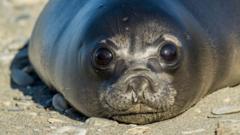
A stark and alarming report has emerged from the remote reaches of the Southern Ocean, revealing a catastrophic loss of life among a vulnerable marine mammal population. Scientists have confirmed that the H5N1 avian influenza virus, commonly known as bird flu, has decimated a colony of southern elephant seal pups on Australia's Heard Island. The findings underscore the growing interconnectedness of global ecosystems and the profound impact that emerging infectious diseases can have on wildlife.
This unprecedented event serves as a critical wake-up call, highlighting the urgent need for enhanced surveillance, proactive conservation strategies, and a deeper understanding of how pathogens can jump between species. As we delve into the details of this tragedy, we will explore the scale of the loss, the nature of the virus, and the far-reaching implications for both the marine environment and global health security.
📑 Table of Contents
1. The Devastating Toll on Heard Island
In a discovery that has sent shockwaves through the scientific community, a recent study has revealed the tragic demise of over 75% of the southern elephant seal pups on Heard Island. Researchers estimate that approximately 13,000 young seals succumbed to the H5N1 strain of avian influenza. Heard Island, a sub-Antarctic island and external territory of Australia, is known for its significant breeding populations of seals and penguins. This remote location, while seemingly isolated, has become the epicenter of a devastating wildlife health crisis.
The sheer scale of this mortality event is staggering. Southern elephant seals are the largest of all seals, and their pups are particularly vulnerable during their early development. The rapid spread and lethality of the H5N1 virus within this dense colony suggest an efficient transmission route, likely facilitated by the close proximity of the pups in their breeding grounds. The loss represents a significant blow to the population dynamics of this species in the region.
Specifics of the Outbreak
The study, which meticulously documented the deaths, points to the H5N1 virus as the primary culprit. While H5N1 is primarily known for affecting birds, its ability to adapt and infect a wide range of mammals, including marine life, has been a growing concern for epidemiologists and conservationists worldwide. The findings from Heard Island provide grim empirical evidence of this adaptability and its devastating consequences.
2. Understanding the H5N1 Strain
The H5N1 virus is a subtype of the influenza A virus, notorious for its high pathogenicity in birds. It has been responsible for numerous outbreaks in poultry and wild bird populations globally, and on occasion, has spilled over to infect humans, often with severe outcomes. In recent years, scientists have observed an alarming trend of H5N1 adapting to infect a broader spectrum of mammalian species, including foxes, ferrets, bears, and now, seals.
The mechanism by which H5N1 jumped to the elephant seal colony is still under investigation, but it is likely that infected seabirds, which frequently share habitats with seals, acted as the initial vector. The virus could have been transmitted through direct contact, contaminated environments, or consumption of infected prey. Once introduced into the dense seal pup colonies, the highly contagious nature of the virus, coupled with the seals' lack of prior immunity, led to a rapid and widespread epidemic.
Viral Adaptability and Zoonotic Potential
This event underscores the evolving nature of H5N1. Its increasing capacity to infect and spread among mammals raises significant concerns about potential future adaptations that could enhance human-to-human transmission. While direct transmission from seals to humans is considered rare, the presence of the virus in a new mammalian host provides more opportunities for the virus to mutate and evolve.
3. Ecological Ramifications of Mass Mortality

The death of thousands of southern elephant seal pups has profound implications for the Heard Island ecosystem. Seals play a crucial role in the Antarctic and sub-Antarctic food webs. As top predators, they influence the populations of their prey, such as fish and squid. Their carcasses also provide a vital food source for scavengers and decomposers, contributing to nutrient cycling in these remote environments.
A significant reduction in the pup population could lead to long-term demographic imbalances. The reproductive success of the colony in future years may be compromised, potentially impacting the species' overall population trajectory. Furthermore, the loss of such a substantial biomass can disrupt the delicate balance of predator-prey relationships and nutrient flows, with cascading effects throughout the marine food web.
Impact on Biodiversity
Heard Island is a UNESCO World Heritage site, recognized for its unique biodiversity and pristine natural environment. The H5N1 outbreak poses a direct threat to this biodiversity. The potential for the virus to spread to other seal species, or even to penguins and other seabirds that also breed on the island, is a serious concern. Such a widespread epizootic could have irreversible consequences for the island's unique wildlife populations.
4. The Broader Threat: Zoonotic Diseases and Wildlife
The Heard Island tragedy serves as a potent reminder of the growing threat posed by zoonotic diseases – illnesses that can transmit from animals to humans. The COVID-19 pandemic has already demonstrated the devastating global impact of a novel zoonotic virus. The increasing frequency of cross-species viral transmission events, driven by factors such as habitat destruction, climate change, and global trade, suggests that such incidents may become more common.
For conservationists and public health officials, this event highlights the critical importance of One Health approaches. This framework recognizes the interconnectedness of human, animal, and environmental health. Effective surveillance systems that monitor disease outbreaks in wildlife populations are essential for early detection and intervention, potentially preventing wider spread and protecting both animal and human health.
Lessons from the Pandemic
The experience with H5N1 in elephant seals mirrors some of the early concerns raised during the COVID-19 pandemic regarding the potential for novel viruses to emerge from animal populations and rapidly spread. The adaptability of viruses like H5N1, and their capacity to jump between species, underscores the need for a global, coordinated effort to understand and mitigate these risks. Investing in research on pathogen spillover and developing rapid response mechanisms are crucial.
5. Future Outlook and Conservation Imperatives
The long-term consequences of the H5N1 outbreak on Heard Island remain to be seen. Continued monitoring of the southern elephant seal population and other wildlife on the island will be vital to assess recovery rates and detect any resurgence of the virus. Scientists will also be closely observing the behavior and genetic evolution of the H5N1 virus in this new mammalian host.
Conservation efforts must adapt to address the increasing threat of infectious diseases. This includes strengthening biosecurity measures in areas with vulnerable wildlife, supporting research into wildlife immunology, and fostering international cooperation on disease surveillance and response. Protecting natural habitats and reducing human encroachment into wildlife areas can also help minimize the opportunities for pathogen spillover.
Proactive Strategies for a Changing World
Moving forward, a proactive rather than reactive approach to wildlife health is paramount. This involves not only responding to current crises but also anticipating future threats. Understanding the complex interplay between environmental change, biodiversity, and disease emergence is key. The devastating loss of seal pups on Heard Island is a stark indicator of the challenges we face in safeguarding our planet's precious wildlife in an era of increasing global connectivity and environmental stress.
🔥 Learn more about how we can protect vulnerable wildlife populations from emerging diseases.
Conclusion
The catastrophic loss of southern elephant seal pups on Heard Island due to the H5N1 bird flu virus is a somber event with significant implications. It underscores the vulnerability of wildlife populations to emerging infectious diseases and the interconnectedness of global ecosystems.
As we continue to grapple with the challenges of zoonotic diseases and their impact on both biodiversity and human health, the lessons learned from this tragedy must inform our future conservation strategies and public health preparedness. Vigilance, research, and international cooperation are essential to protect our planet's natural heritage.
❓ FAQ
What is H5N1?
H5N1 is a highly pathogenic strain of the avian influenza A virus, commonly known as bird flu, which can infect birds and, increasingly, mammals.
Which island was affected by the bird flu outbreak?
The outbreak occurred on Heard Island, a remote Australian territory in the Southern Ocean.
How many seal pups died?
An estimated 13,000 southern elephant seal pups, representing over 75% of the pups in the affected colony, died from the virus.
How did the virus spread to the seals?
Scientists believe infected seabirds likely acted as the initial vector, transmitting the virus to the dense seal pup colonies.
What are the broader implications of this event?
This event highlights the growing threat of zoonotic diseases, the adaptability of viruses like H5N1, and the urgent need for enhanced wildlife surveillance and conservation efforts.
Comments
Post a Comment