5 Critical Lessons from NYC's Buckling High-Rise Crisis 📸 Image Credit: NBC By Azeem-USA · Thu Jul 09 2026 English (en-US) New York City's iconic skyline, a testament to human ingenuity and architectural ambition, often appears immutable. Yet, recent revelations have cast a shadow over this perception, with the emergence of new photos showing the interior of a buckling high-rise. Specifically, images from the 21st floor have brought into stark relief the very real and immediate dangers that can lurk within our most formidable structures. This isn't just a localized incident; it's a potent symbol of the ever-present challenges in maintaining the structural integrity of our dense urban environments. At Azeem USA, we believe such incidents are not merely news headlines but critical learning opportunities. This in-depth analysis will dissect the implications of a buckling NYC high-rise, exploring the engineering complexities, the broade...
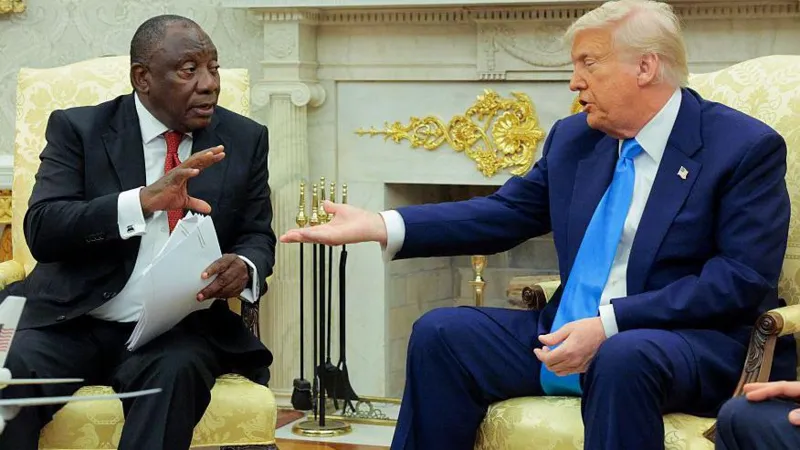
In a move that has sent ripples through international health and diplomatic circles, the United States is reportedly considering a significant reduction, or even a complete halt, to its funding for South Africa's vital HIV programs. The stated reason behind this drastic potential measure is a growing concern over the protection of the white-minority Afrikaner community within South Africa.
This development raises critical questions about the intersection of foreign aid, human rights, and political stability. At Azeem USA, we delve into the complexities of this unfolding situation, exploring the motivations behind the US stance, the historical context of the Afrikaner community, and the profound implications for the ongoing fight against HIV/AIDS in South Africa.
📑 Table of Contents
1. The US Decision: A Shift in Foreign Aid Policy
The United States, a long-standing major donor to global health initiatives, particularly in combating HIV/AIDS, has signaled a potential withdrawal of support for South Africa. This is not a decision taken lightly and appears to stem from a perceived failure by the South African government to adequately safeguard the rights and safety of its Afrikaner population. Reports indicate that US officials are citing claims of persecution and a lack of sufficient protection measures for this minority group.
This shift represents a potentially significant departure from previous US foreign policy, which has often prioritized public health outcomes. While human rights have always been an underlying consideration, linking HIV funding directly to the protection of a specific ethnic minority group introduces a new layer of complexity. It suggests a broader evaluation of South Africa's governance and its commitment to the well-being of all its citizens, regardless of ethnicity or background.
The Rationale Behind the Link
The core of the US argument appears to be that effective governance, which includes protecting all citizens, is a prerequisite for successful and sustainable public health programs. By potentially linking HIV funding to the treatment of Afrikaner safety concerns, the US is signaling that it views these issues as interconnected. This approach underscores a belief that a nation's ability to uphold human rights for all its people is a measure of its overall stability and its capacity to manage critical health crises effectively.
2. Understanding the Afrikaner Community in South Africa
The Afrikaner community represents a significant historical and cultural group in South Africa, primarily descended from Dutch, French, and German settlers who arrived in the 17th century. Historically, they held a dominant position in South African society and politics, particularly during the apartheid era. Following the end of apartheid in 1994, the Afrikaner community, like other white minority groups, has navigated a period of significant social and political transition.
While many Afrikaners have adapted to the new democratic dispensation, concerns about their place in post-apartheid South Africa have persisted. These concerns often revolve around issues of land reform, economic opportunities, and, in some instances, fears of discrimination or marginalization. The claims of persecution that have reportedly caught the US's attention likely tap into these long-standing anxieties, though the scale and nature of such alleged persecution are subjects of ongoing debate and require careful verification.
Socio-Political Context
It is crucial to understand the socio-political landscape in which these concerns arise. South Africa grapples with deep-seated inequalities stemming from its history of racial segregation and economic disparity. While the government strives to address these issues through policies aimed at redress and empowerment for the historically disadvantaged majority, this process can create tensions and perceptions of grievance among minority groups. The US government's focus on the Afrikaner community’s safety indicates a belief that current protections are insufficient, regardless of the broader context of socio-economic transformation.
3. HIV/AIDS in South Africa: The Stakes of Funding Cuts
South Africa has one of the largest HIV/AIDS epidemics in the world, with millions of people living with the virus. For decades, international funding, particularly from the US through initiatives like the President's Emergency Plan for AIDS Relief (PEPFAR), has been absolutely critical in providing antiretroviral therapy (ART), prevention programs, and support services. These programs have been credited with saving millions of lives and significantly curbing the spread of the virus.
A reduction or cessation of US funding would have devastating consequences. It could lead to a catastrophic disruption of ART services, resulting in increased illness, mortality, and a resurgence of new infections. Prevention programs, including those aimed at reducing mother-to-child transmission and educating vulnerable populations, would also be severely impacted. This would not only reverse years of hard-won progress but also place an immense strain on South Africa's already burdened healthcare system.
Impact on Public Health Infrastructure
Beyond the direct impact on patients, funding cuts would cripple the organizations and healthcare infrastructure that have been built up over years of US support. This includes training healthcare workers, supporting community-based organizations, and investing in research and monitoring. The loss of this funding could lead to a collapse of established treatment protocols and a significant setback in the nation's ability to manage this ongoing public health crisis effectively. The broader implications for regional health security are also considerable.
4. International Relations: Diplomacy and Human Rights
The decision by the US to potentially link HIV funding to the protection of a specific minority group places human rights squarely at the center of international diplomacy and foreign aid. This approach highlights a growing trend where aid is increasingly scrutinized not just for its effectiveness in achieving its primary objective, but also for the broader governance and human rights record of the recipient country.
This situation creates a delicate diplomatic balancing act. South Africa, a key player on the African continent and a partner in various international forums, will need to respond to these concerns. The US, in turn, faces the challenge of ensuring its actions are perceived as consistent with its stated commitment to human rights without undermining crucial public health efforts. The international community will be watching closely to see how this complex interplay of diplomacy, aid, and human rights unfolds.
The Precedent Set
If the US proceeds with significant funding cuts based on these grounds, it could set a powerful precedent for how foreign aid is allocated in the future. It might encourage other donor nations to adopt similar conditionalities, tying aid packages to specific domestic policy actions or human rights guarantees related to minority groups. This could lead to greater accountability but also potentially complicate international cooperation on global challenges like pandemics and poverty, requiring recipient nations to navigate a more complex web of donor expectations.
5. Looking Ahead: Potential Consequences and Solutions
The potential consequences of reduced US funding for South Africa's HIV programs are dire, extending beyond health to economic and social stability. A resurgence of HIV/AIDS could strain the economy through increased healthcare costs and lost productivity. It could also exacerbate social inequalities and potentially lead to greater public unrest.
South Africa faces a critical juncture. It must address the US concerns regarding the protection of the Afrikaner community transparently and effectively. This may involve strengthening legal protections, ensuring equitable application of law enforcement, and fostering dialogue between different community groups. Simultaneously, the government will need to explore alternative funding sources and strategies to mitigate the impact of any potential reduction in US aid, possibly by strengthening domestic resource mobilization and seeking support from other international partners.
Navigating the Path Forward
The path forward requires a nuanced approach from all parties involved. The US needs to provide clear, actionable benchmarks for the protection of the Afrikaner community and ensure that any funding decisions are based on verifiable evidence. South Africa needs to demonstrate a robust commitment to upholding the rights of all its citizens and to maintaining the integrity of its public health infrastructure. Collaborative dialogue, rather than unilateral action, is likely to yield the most constructive outcomes, ensuring that the fight against HIV/AIDS remains a priority while addressing legitimate human rights concerns.
🔥 Stay informed on critical global health and policy developments by visiting Azeem USA regularly.
Conclusion
The potential US decision to cut HIV funding to South Africa over concerns about Afrikaner protection presents a complex challenge, weaving together critical public health needs with pressing human rights issues. The fight against HIV/AIDS in South Africa, a success story built on decades of international partnership, stands at a precipice.
As we move forward, the focus must remain on finding solutions that uphold human dignity for all South Africans while ensuring the continuity of life-saving HIV programs. This requires open dialogue, verifiable actions, and a shared commitment to a healthier, more equitable future for everyone. Azeem USA will continue to monitor this evolving situation and its implications for global health and international relations.
❓ FAQ
What is the main reason cited by the US for potentially cutting HIV funding to South Africa?
The US has cited concerns that South Africa is not doing enough to protect its white-minority Afrikaner community from alleged persecution.
What is PEPFAR and why is it important for South Africa?
PEPFAR (President's Emergency Plan for AIDS Relief) is a US initiative that has provided substantial funding for HIV/AIDS prevention, treatment, and care in South Africa, saving millions of lives.
Who are the Afrikaners?
The Afrikaners are a South African ethnic group descended from Dutch, French, and German settlers, historically significant in the country's political and social landscape.
What are the potential consequences of cutting US HIV funding for South Africa?
Consequences could include a disruption of antiretroviral therapy, an increase in HIV infections and deaths, a weakened healthcare system, and broader socio-economic instability.
How might this US decision impact international aid and human rights advocacy?
It could set a precedent for tying foreign aid more closely to a recipient country's human rights record, particularly concerning minority groups, potentially leading to greater accountability but also complicating aid delivery.
Comments
Post a Comment