Ebola Crisis Escalates: 600 Deaths & New Province Infected in Congo 📸 Image Credit: Reuters By Azeem-USA · Thu Jul 09 2026 English (en-US) The Democratic Republic of Congo (DRC) is once again at the epicenter of a grave public health emergency, as the current Ebola outbreak continues its relentless and tragic progression. Recent reports indicate a chilling milestone: the death toll has tragically surpassed 600, painting a stark picture of the immense challenges faced by healthcare workers and communities alike. This already dire situation has been further compounded by the alarming news of a suspected Ebola case emerging in a new province, signaling a potential expansion of the epidemic's geographic footprint and raising fears of wider regional destabilization. For readers of Azeem USA, understanding the intricacies of such a complex crisis is paramount. This comprehensive analysis will delve into the current state of the Ebola epidemic in ...
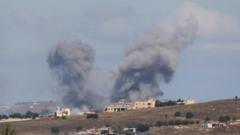
The volatile situation in the Middle East has once again erupted into direct confrontation, with recent events marking a significant escalation between Lebanon and Israel. Reports indicate a grim toll, with Lebanon stating that Israeli airstrikes have resulted in the deaths of 18 individuals. This comes as Israel reports that four of its soldiers have been killed by Hezbollah forces.
This intensification of hostilities occurs against a backdrop of complex regional dynamics, raising critical questions about the trajectory of peace and security in an already fragile area. Understanding the immediate triggers, the actors involved, and the potential ripple effects is paramount for grasping the gravity of the current moment and its implications for global stability.
📑 Table of Contents
1. Escalation on the Northern Front
The latest exchange of fire represents a stark reminder of the persistent tensions along the Lebanon-Israel border. Lebanon's announcement of 18 fatalities following Israeli strikes underscores the destructive capacity being deployed in the region. These actions, if confirmed to be retaliatory or pre-emptive, point to a deliberate intensification of military operations aimed at degrading perceived threats.
The scale of casualties reported by Lebanon suggests a significant Israeli operation, potentially targeting infrastructure or positions believed to be controlled by militant groups. Such strikes invariably carry the risk of collateral damage and civilian impact, a recurring concern in this protracted conflict. The justification and proportionality of these actions will undoubtedly be subject to international scrutiny.
Assessing the Immediate Impact
The immediate aftermath of these strikes involves assessing the physical damage, the number of casualties, and the potential for further escalation. International bodies and regional observers will be closely monitoring the situation for any signs of de-escalation or, conversely, an expansion of the conflict.
2. Hezbollah's Response and Israeli Casualties
In response to the reported Israeli strikes, Hezbollah has claimed responsibility for an attack that resulted in the deaths of four Israeli soldiers. This retaliatory action highlights the reciprocal nature of the conflict and the willingness of both sides to inflict damage on the other. Hezbollah's capacity to launch effective attacks against Israeli forces remains a significant factor in the regional security calculus.
The killing of soldiers on the Israeli side demonstrates that the conflict is not a one-sided affair. It underscores Hezbollah's strategic objectives, which often include deterring Israeli incursions and projecting strength. The group's ability to sustain such operations suggests a well-organized and determined military wing, capable of posing a persistent challenge to Israeli security.
The Cycle of Retaliation
This exchange exemplifies the dangerous cycle of retaliation that has characterized the Lebanon-Israel border for decades. Each action, whether perceived as defensive or offensive, often provokes a counter-response, leading to a continuous spiral of violence and instability.
3. The Shadow of Broader Geopolitical Shifts
Crucially, this escalation occurs in proximity to significant, albeit potentially unrelated, geopolitical developments. The mention of a US-Iran deal to end their conflict, including fighting in Lebanon, introduces a layer of complexity and potential irony. If such a deal were to materialize or be perceived as imminent, the timing of this intensified Lebanon-Israel confrontation raises questions about its motivations and implications.
Could this be an attempt by certain actors to preempt or influence the outcomes of broader diplomatic efforts? Or is it indicative of underlying tensions that remain impervious to wider regional agreements? Understanding the nexus between this specific conflict and the larger geopolitical chessboard is essential for forecasting future trends. The success or failure of any US-Iran détente would inevitably have ramifications for proxy conflicts across the region, including the one involving Hezbollah.
Regional Power Dynamics
The ongoing conflict is deeply intertwined with the broader regional power dynamics, particularly the influence of Iran through its support for Hezbollah, and the strategic interests of Israel and its international allies. Any shifts in these dynamics, whether through diplomacy or direct confrontation, can have profound and unpredictable consequences.
4. Humanitarian Impact and Civilian Concerns
Beyond the military exchanges, the most tragic consequence of this escalation is the human cost. The reported deaths in Lebanon, alongside the Israeli soldiers killed, represent profound losses for families and communities. The potential for civilian casualties in Lebanon, given the nature of airstrikes in densely populated areas, is a grave concern that demands attention and adherence to international humanitarian law.
Such events invariably lead to displacement, fear, and increased suffering for populations already grappling with economic hardship and instability. The destruction of infrastructure, disruption of essential services, and the psychological toll on civilians are critical aspects of the conflict that often receive less attention than the military engagements themselves. Ensuring the protection of civilians and providing humanitarian aid must remain a priority amidst the violence.
The Long-Term Effects on Civilians
The long-term effects of such violent encounters on civilian populations can be devastating, impacting mental health, economic stability, and social cohesion for generations. The cycle of violence perpetuates a climate of fear and insecurity that hinders recovery and development.
5. Navigating Towards Future Stability
The path forward from this heightened confrontation is fraught with challenges. De-escalation requires a concerted effort from all parties involved, potentially mediated by international actors. The immediate priority must be to prevent further loss of life and to create space for diplomatic engagement, however difficult that may seem in the current climate.
Looking beyond the immediate crisis, a sustainable resolution to the underlying issues fueling the conflict is necessary. This involves addressing the security concerns of all parties, fostering economic development, and promoting dialogue. Without a comprehensive approach that tackles the root causes, the region risks remaining trapped in a perpetual cycle of violence and instability, undermining any broader efforts towards regional peace.
The Role of International Diplomacy
International diplomacy plays a crucial role in mediating ceasefires, facilitating dialogue, and advocating for adherence to international law. The global community has a vested interest in seeing stability restored to this vital region.
🔥 Stay informed on critical geopolitical developments impacting global security.
Conclusion
The recent deadly clashes between Lebanon and Israel, resulting in significant casualties on both sides, underscore the persistent fragility of peace in the Middle East. The escalation highlights the complex interplay of regional rivalries, proxy warfare, and the ever-present threat of wider conflict.
As the dust settles on this latest round of violence, the focus must shift towards de-escalation and the urgent need for diplomatic solutions. The potential implications for regional stability and global security are immense, making a sustained commitment to dialogue and peace imperative for all involved parties and the international community.
❓ FAQ
What were the main reported casualties in the recent Lebanon-Israel clashes?
Lebanon reported 18 deaths from Israeli strikes, while Israel stated four of its soldiers were killed by Hezbollah.
What is the significance of the timing of this escalation?
The escalation occurs amidst reports of a potential US-Iran deal to end their conflict, raising questions about its influence on regional dynamics.
Who is Hezbollah?
Hezbollah is a Lebanese Shia Islamist political party and militant group, considered a terrorist organization by many countries, including the United States and Israel.
What is the historical context of the Lebanon-Israel conflict?
The conflict has a long history marked by border tensions, Israeli invasions of Lebanon, and retaliatory attacks, creating a cycle of violence.
What are the potential implications of this escalation?
The escalation risks further destabilizing the region, potentially drawing in other actors and exacerbating the humanitarian crisis, while also complicating broader diplomatic efforts.
Comments
Post a Comment