
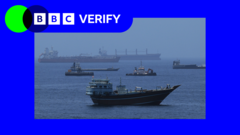
The global maritime landscape is witnessing a significant shift as traffic returns to one of its most critical waterways. After periods of heightened tension, the Strait of Hormuz has seen a dramatic influx of vessels, signaling a potential turning point in international diplomacy and global commerce.
In this deep-dive analysis, we explore the recent surge of ships navigating the strait, the weight of the recent US-Iran deal, and what this means for the future of global energy security.
📑 Table of Contents
1. The Resurgence of the Strait of Hormuz Traffic
The Strait of Hormuz remains the most important oil chokepoint in the global economy. For months, the flow of commerce through this narrow passage was marred by cautious maneuvers and geopolitical friction. However, recent data indicates a sharp reversal, with 42 ships recorded passing through the waterway on a Saturday alone. This surge reflects a renewed confidence among international shipping companies and energy conglomerates.
The volume of traffic is not merely a statistical anomaly; it is a pulse check on global stability. When ships feel safe to navigate this region in bulk, it sends a ripple effect through supply chains, lowering insurance premiums and stabilizing the delivery of essential goods from the Gulf to the rest of the world.
Analyzing the Traffic Volume
Analysts note that the diversity of vessels, ranging from crude oil tankers to container ships, suggests that the recovery is not limited to energy but encompasses a broader return to regional trade activity.
2. Impact of the US- Iran Peace Agreement
The primary catalyst behind this sudden activity is the high-stakes deal between the United States and Iran. This agreement, aimed at ending long-standing hostilities, has provided the necessary framework for maritime security to stabilize. By de-escalating military post, the deal has effectively lowered the risk profile that previously deterred many fleets from choosing this route.
Diplomatic efforts of this magnitude take years to manifest in tangible results. While the details of the deal may be complex, the immediate impact is visible on the water. The commitment from both nations to respect the freedom of navigation has allowed logistics giants to reschedule operations without the fear of sudden disruptions.
The Role of Diplomatic Frameworks
The agreement serves as a blueprint for how de-escalation can directly influence economic recovery, proving that trade interests remain a powerful incentive for peace.
3. Economic Implications for Global Energy Prices

Global energy markets are hypersensitive to any news regarding the Strait of Hormuz. Historically, threats in this area cause oil prices to spike due to the fear of supply disruptions. With dozens of ships now moving freely, the 'risk premium' on crude oil is beginning to dissipate, which could lead to more predictable fuel costs for consumers in Europe and Asia.
Furthermore, the stabilization of this route allows for more efficient logistics planning. When the threat of seizure or conflict is minimized, companies can optimize their routes and schedules, reducing the overall cost of global energy transport. This efficiency is vital for controlling inflation in a volatile global economy.
Stabilizing the Supply Chain
The steady flow of tankers ensures that the global demand for energy is met without the frantic price hikes that have characterized periods of Middle Eastern instability.
4. Maritime Security and Safe Navigation Protocols
Security in the Strait of Hormuz is not just about the absence of conflict, but the presence of robust protocols. Following the US-Iran deal, there is a renewed focus on establishing clear communication channels for commercial vessels. These protocols ensure that the 42+ ships seen on Saturday are operating with a much higher degree of safety assurance than in previous months.
International maritime organizations are also playing a role in monitoring these developments. By maintaining a transparent presence and adhering to international standards, the global community helps ensure that any localized incidents do not escalate into broader diplomatic crises. This structured environment is what allows for the long-term commercial viability of the region as a global trade hub.
The Importance of Monitoring and Coordination
Enhanced coordination between regional navies and international shipping authorities helps to mitigate the risk of accidental de-escalation failures in the crowded waterway.
5. Future Outlook for Middle Eastern Stability
Looking ahead, the surge in traffic is a litmus test for the durability of the US-Iran agreement. While the current trend is overwhelmingly positive, the long-term stability depends on the continued adherence to the terms of the deal. If the traffic remains high, we may see a broader trend of investment in regional infrastructure and a normalization of diplomatic ties.
The world is watching closely, as this peace could serve as a model for other regional conflicts where security has previously overshadowed economic necessity. The Strait of Hormuz has always been a vital artery, but now it stands as a symbol of what modern diplomatic de-escalation can achieve for the sake of global commerce.
Sustaining the Peace Momentum
The coming months will be crucial in determining if this surge is a temporary relief or the start of a new era of regional maritime cooperation.
🔥 Subscribe to Azeem-USA for more deep dives into global trade and geopolitical shifts.
Conclusion
The recent surge in maritime traffic through the Strait of Hormuz marks a pivotal moment for global trade and energy security. With over 42 ships passing in a single day, the world is seeing the tangible benefits of the de-US-Iran diplomatic de-escalation efforts.
As we move forward, the focus will shift to maintaining this stability and ensuring that this vital waterway remains open and safe for the global economy.
❓ FAQ
How many ships passed through the Strait of Hormuz recently?
At least 42 ships were recorded passing through the waterway on a single Saturday following the US-Iran deal.
What is the primary goal of the US-Iran deal?
The deal aims to end long-standing hostilities and stabilize maritime security, which has led to an increase in trade traffic.
How does this traffic affect global oil prices?
The increase in traffic and reduced risk of disruption help to stabilize oil prices by lowering the risk premium.
Is the Strait of Hormuz important for global trade?
Yes, it is one of the most important oil chokepoints in the global economy.
What is the long-term outlook for the region?
Stability depends on the continued adherence to the diplomatic deal by both parties to ensure safe navigation.
Comments
Post a Comment