House Votes to Curb Trump's War Powers: A Major Congressional Rebuke

In a significant move that reverberated through Washington D.C., the United States House of Representatives recently passed a war powers resolution, effectively rebuking President Donald Trump's administration and curtailing his ability to engage in further military action against Iran.
This landmark vote underscores a growing tension between the legislative and executive branches regarding foreign policy and the initiation of hostilities. It signals a powerful assertion of Congress's constitutional role in matters of war and peace, marking a critical juncture in the ongoing debate over presidential war powers.
📑 Table of Contents
1. The Legislative Landscape: A Vote of No Confidence
The House of Representatives' decision to pass a war powers resolution aimed at limiting President Trump's authority to engage in military operations against Iran was more than just a procedural vote; it was a clear statement of congressional intent and, in many respects, a vote of no confidence in the administration's approach to foreign conflict.
This resolution, which passed with a notable degree of bipartisan support, directly challenged the President's unilateral ability to commit U.S. forces to hostilities without explicit congressional authorization. The timing of the vote, following escalating tensions in the Middle East, amplified its significance, highlighting the deep-seated concerns within Congress about executive overreach in foreign policy matters.
Constitutional Authority Asserted
The core of the debate revolved around Article I, Section 8 of the Constitution, which grants Congress the power to declare war. Proponents of the resolution argued that the President had exceeded his constitutional authority by potentially engaging in prolonged military action without the legislative branch's consent.
2. Understanding the War Powers Resolution
The War Powers Resolution of 1973 is a federal law intended to check the U.S. President's power to commit the nation to armed conflict without the consent of Congress. It requires the President to notify Congress within 48 hours of committing U.S. armed forces to military action and forbids sustained U.S. military engagement for more than 60 days without a congressional declaration of war or specific statutory authorization.
While the resolution has been a point of contention since its inception, its invocation and passage by the House in this instance represent a significant attempt to enforce its provisions. The resolution specifically targeted the President's authority concerning Iran, aiming to prevent a further escalation of conflict and to ensure that any potential military engagement would require explicit legislative backing.
Preventing Unilateral Escalation
The primary objective behind passing such a resolution is to prevent the executive branch from unilaterally initiating or escalating military conflicts. It forces a dialogue and requires a clear justification for the use of military force, ensuring that the decision to wage war is a shared responsibility between the President and Congress.
3. Bipartisan Opposition: A Swipe Against Executive Overreach
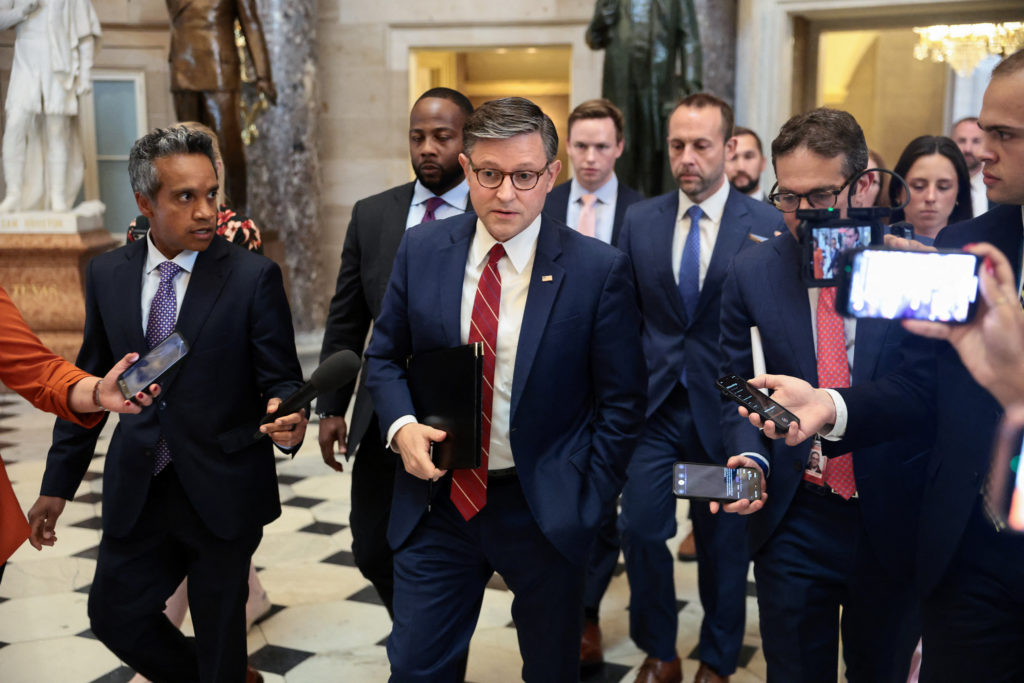
What made this particular vote noteworthy was the significant bipartisan support it garnered. While President Trump often enjoys strong backing from within his own party, this resolution saw a substantial number of Republicans joining Democrats in expressing concerns about the administration's foreign policy and the concentration of war-making powers in the executive branch.
This bipartisan opposition is a powerful indicator of a broader sentiment that the President's actions and potential future actions regarding Iran were not adequately supported by legislative consensus. It reflects a shared concern, transcending party lines, about the balance of power and the potential for unchecked executive action in critical national security decisions.
A Signal to the Administration
The vote served as a direct message to the White House. It indicated that Congress, even with a divided political landscape, could come together to assert its constitutional role when it perceived a threat to that balance. The resolution was not just about Iran; it was about the fundamental principles of checks and balances in the U.S. system of government.
4. Implications for Presidential Authority
The passage of this war powers resolution carries significant implications for the future of presidential authority in foreign affairs. It reinforces the idea that the President, while Commander-in-Chief, does not possess unlimited power to deploy U.S. forces into hostile situations without congressional consultation and approval.
This congressional action sets a precedent, potentially emboldening future legislative efforts to scrutinize and constrain executive actions in foreign policy. It serves as a reminder that the President's powers, particularly concerning the initiation of war, are subject to congressional oversight and the ultimate authority of the War Powers Resolution itself.
The Role of Congress in Foreign Policy
For decades, there has been a perceived erosion of Congress's role in foreign policy decision-making, with presidents often taking the lead. This vote represents a significant pushback against that trend, reasserting Congress's constitutional prerogative and its responsibility to the American people in matters of national security and international conflict.
5. The Path Forward: A Shifting Balance of Power
While the passage of a war powers resolution by the House is a critical step, its ultimate impact depends on subsequent actions, including its consideration by the Senate and potential presidential veto. Nevertheless, the vote itself has already altered the political calculus surrounding U.S. foreign policy and the use of military force.
This development highlights the dynamic nature of the U.S. governmental system, where the balance of power between branches can shift through legislative action and public discourse. It underscores the importance of vigilance in maintaining constitutional principles and ensuring that decisions of war and peace are made with broad democratic input.
A More Accountable Foreign Policy
Moving forward, this event may foster a more deliberative and accountable approach to foreign policy by the executive branch. It serves as a strong reminder that congressional consent is a vital component of initiating and sustaining military action, ultimately leading to a foreign policy that is more aligned with the collective will of the nation.
🔥 Stay informed on the critical issues shaping U.S. foreign policy and legislative actions at Azeem USA.
Conclusion
The U.S. House of Representatives' decisive vote to pass a war powers resolution against President Trump's Iran policy marks a pivotal moment in the ongoing struggle to define the boundaries of executive and legislative authority in foreign affairs.
This action not only signifies a rebuke to the administration's approach but also serves as a powerful assertion of Congress's constitutional mandate. As the nation navigates complex geopolitical challenges, the renewed emphasis on checks and balances in matters of war and peace is a crucial step towards a more deliberative and constitutionally sound foreign policy.
❓ FAQ
What is a War Powers Resolution?
A War Powers Resolution is a congressional measure designed to limit the President's ability to commit U.S. armed forces to armed conflict without congressional approval, typically by requiring notification and setting time limits on military engagement.
Why did the House pass a resolution against Trump's Iran policy?
The House passed the resolution to express its disapproval of the President's authority to engage in military action against Iran without prior congressional authorization, citing concerns about executive overreach and the potential for escalation.
Was the vote bipartisan?
Yes, the vote saw significant bipartisan support, indicating shared concerns among both Democrats and Republicans regarding presidential war powers.
Does this resolution prevent Trump from taking military action?
While the resolution expresses Congress's intent and limits the President's authority, its ultimate enforceability can be complex, depending on subsequent actions by the Senate and the President's response, including potential veto.
What is the constitutional basis for Congress's war powers?
The U.S. Constitution, in Article I, Section 8, explicitly grants Congress the power to declare war, raise and support armies, and provide and maintain a navy, establishing its central role in decisions regarding armed conflict.


Comments
Post a Comment