Trump Appoints Bill Pulte: A Bold Move for National Intelligence?

In a move that has quickly captured national attention, former President Donald Trump has appointed Bill Pulte as the Acting Director of National Intelligence (DNI). This decision, announced recently, has sparked widespread discussion and analysis across political and media landscapes.
As the head of the Office of the Director of National Intelligence (ODNI), the DNI oversees the coordination and integration of all U.S. intelligence agencies. Understanding the background of the appointed individual and the potential implications for national security is paramount. This post delves into who Bill Pulte is, the significance of the DNI role, and what this appointment might signify for the future of American intelligence operations.
📑 Table of Contents
1. Who is Bill Pulte?
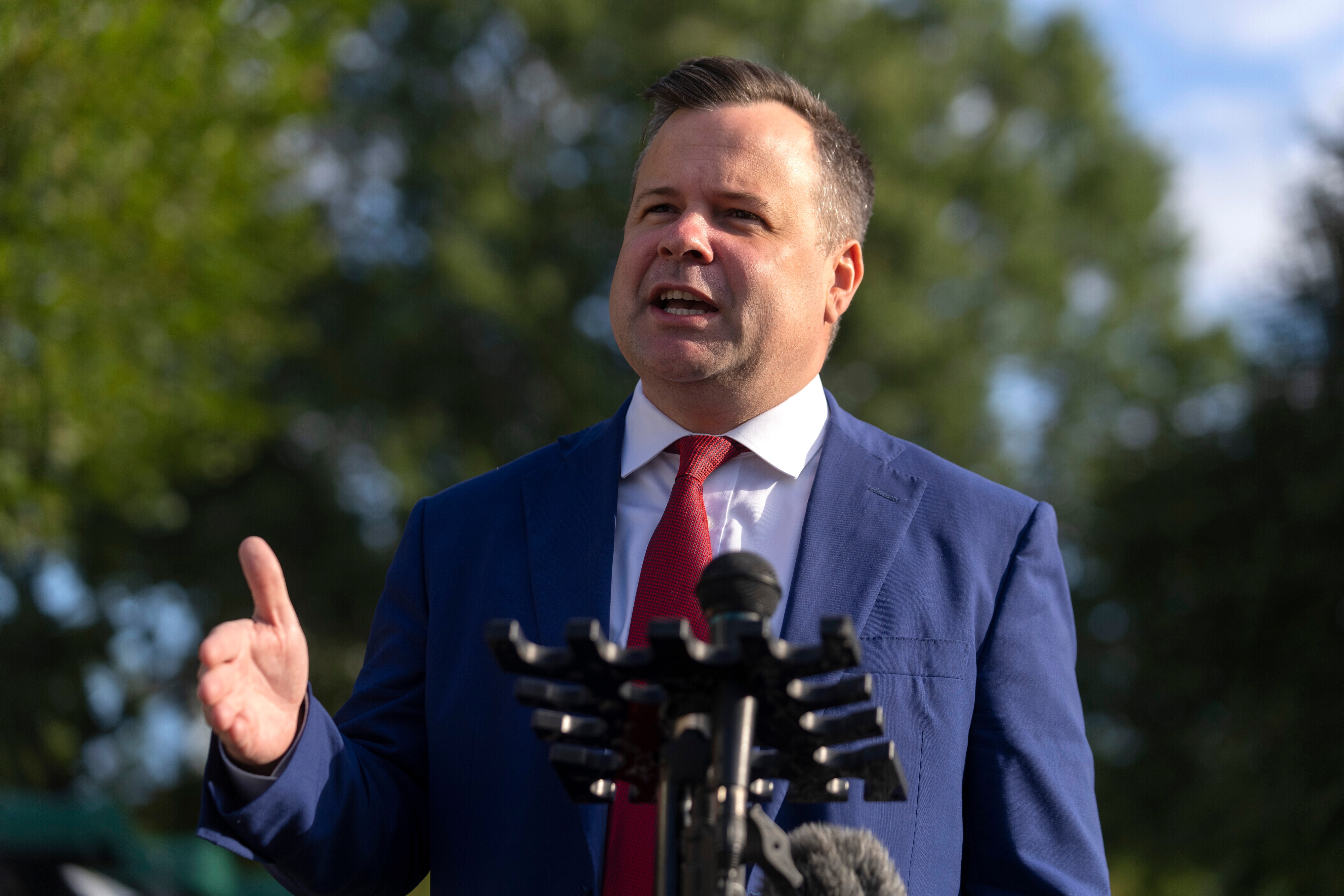
Bill Pulte is primarily known as an heir to the PulteGroup, a major home-building company founded by his grandfather, William J. Pulte. His background is rooted in business and real estate, rather than the traditional intelligence or national security sectors. Pulte has also been involved in philanthropic efforts, notably through the PulteGroup Charitable Foundation, and has recently gained attention for his public statements and social media presence, often engaging with political discourse.
His business acumen, particularly in large-scale operations and management within the construction industry, is often cited by supporters as transferable skills. However, critics point to a distinct lack of direct experience in intelligence gathering, analysis, or the complex geopolitical landscape that the DNI must navigate. This divergence in perceived qualifications is at the heart of the ongoing debate surrounding his appointment.
Pulte's Business and Public Profile
Beyond his family's legacy, Pulte has cultivated his own public persona, frequently sharing his views on business, economics, and politics online. This has made him a recognizable figure to some, but also a subject of scrutiny for those questioning his suitability for a role demanding deep expertise in classified information and national security threats.
2. The Role of the Director of National Intelligence (DNI)
The Director of National Intelligence is a critical position within the U.S. government, established in the wake of the September 11, 2001 attacks. The DNI serves as the principal advisor to the President on intelligence matters, overseeing the Intelligence Community (IC), which comprises thirteen different agencies and organizations. These include entities like the CIA, NSA, FBI's intelligence divisions, and others responsible for gathering, analyzing, and disseminating intelligence.
The DNI's primary responsibilities include ensuring that intelligence is collected, analyzed, and disseminated effectively and efficiently across the government. This involves setting priorities, managing resources, and fostering collaboration among the various intelligence agencies to prevent strategic surprise and provide policymakers with the best possible information for decision-making. The role demands a profound understanding of global threats, technological advancements in intelligence collection, and the intricate legal and ethical frameworks governing intelligence activities.
Key Responsibilities and Challenges
The DNI must also act as a bridge between the intelligence agencies and the executive branch, ensuring that the IC's capabilities are aligned with national security objectives. This includes managing budgets, overseeing personnel, and advocating for the resources needed to counter evolving threats, from terrorism and cyber warfare to economic espionage and foreign influence operations.
3. Why the Surprise Appointment?

The appointment of Bill Pulte as Acting DNI has caught many observers by surprise, particularly given his lack of a conventional background in intelligence or national security. Former President Trump has historically favored individuals with strong loyalty and a willingness to challenge established norms. Pulte's public alignment with Trump and his willingness to engage in political commentary may have positioned him favorably in the former president's eyes.
Supporters of the appointment often highlight Pulte's business leadership experience, suggesting that his ability to manage large organizations and drive results could be beneficial. They might argue that a fresh perspective from outside the traditional intelligence bureaucracy is precisely what is needed to streamline operations and enhance effectiveness. This perspective often emphasizes a belief that traditional intelligence professionals can sometimes become entrenched in their methods and resistant to change.
Controversy and Scrutiny
Conversely, critics express significant concerns about the potential impact of an appointee with no demonstrable experience in the highly specialized field of intelligence. Questions have been raised about whether Pulte possesses the necessary understanding of intelligence methodologies, foreign policy nuances, and the sensitive nature of classified information required to lead the IC. The lack of background in this domain is seen by many as a potential liability, raising fears about politicization and compromised national security.
4. Navigating the Intelligence Landscape
The Director of National Intelligence operates within a complex ecosystem of agencies, each with its own culture, capabilities, and priorities. Effective leadership in this role requires not only strategic vision but also the ability to build consensus, foster inter-agency cooperation, and navigate the political currents that invariably influence the intelligence community. The DNI must be adept at understanding and mitigating diverse threats, from state-sponsored cyberattacks and espionage to transnational criminal organizations and the proliferation of weapons of mass destruction.
Furthermore, the DNI is responsible for ensuring that intelligence activities are conducted legally and ethically, adhering to constitutional protections and oversight from Congress. This involves balancing the need for effective intelligence gathering with the protection of civil liberties and privacy. The challenges include managing vast amounts of data, leveraging cutting-edge technology, and ensuring that analysts have the freedom to provide objective assessments without undue political influence.
The Importance of Experience and Trust
The intelligence community relies heavily on trust and expertise. Agency leaders and analysts need to be confident that their director understands their work, respects their professionalism, and will advocate for their needs. A perceived lack of understanding or experience can undermine morale and erode the confidence necessary for effective operations. The ability to gain the trust of the seasoned professionals within the IC will be a significant early test for any new DNI.
5. Looking Ahead: The Pulte Tenure
The tenure of Bill Pulte as Acting Director of National Intelligence, regardless of its duration, is likely to be closely watched. His appointment signals a potential shift in how intelligence leadership is perceived and selected, with a greater emphasis perhaps placed on business management and perceived loyalty over traditional expertise. The effectiveness of his leadership will ultimately be judged by his ability to manage the vast resources of the IC, foster collaboration, and provide accurate, timely intelligence to policymakers.
The broader implications for the U.S. intelligence community are significant. Will Pulte be able to bridge the gap between his business background and the intricate demands of national security intelligence? Can he earn the respect of career intelligence professionals and effectively lead them in confronting complex global challenges? The answers to these questions will shape the narrative of his appointment and its impact on America's intelligence capabilities in the years to come.
The Public's Perspective
As the public and policymakers assess this appointment, it will be important to look beyond the initial headlines and consider the substantive challenges facing the ODNI. The ability of any leader to navigate these challenges, regardless of their prior experience, will be crucial for maintaining U.S. national security in an increasingly unpredictable world.
🔥 Share your thoughts on this appointment in the comments below.
Subscribe to Azeem USA for daily breakdowns.
Conclusion
The appointment of Bill Pulte as Acting Director of National Intelligence is a noteworthy development that brings a unique background to a critical national security role. His tenure will undoubtedly be a period of intense scrutiny and adaptation.
As the intelligence community navigates evolving global threats, the leadership at the helm of the ODNI plays a crucial part. The focus now shifts to how Pulte will approach the immense responsibilities of his position and what impact his leadership will have on the future of U.S. intelligence operations.
❓ Frequently Asked Questions
Who is Bill Pulte?
Bill Pulte is an heir to the PulteGroup home-building company and has been involved in business and philanthropy. He has recently gained attention for his public political commentary.
What is the role of the Director of National Intelligence (DNI)?
The DNI leads the U.S. Intelligence Community, advises the President on intelligence matters, and oversees the coordination and integration of all intelligence agencies.
Why is Bill Pulte's appointment considered surprising?
The surprise stems from Pulte's lack of a traditional background in intelligence, national security, or government service, contrasting with the typical qualifications of past DNIs.
What are the primary concerns raised about this appointment?
Concerns include Pulte's perceived lack of experience in intelligence gathering, analysis, and the complexities of national security, leading to questions about his ability to effectively lead the Intelligence Community.
What are the potential benefits supporters see in this appointment?
Supporters often point to Pulte's experience in large-scale business management and leadership, suggesting he can bring a fresh, results-oriented perspective to the ODNI.
Who established the Office of the Director of National Intelligence (ODNI)?
The ODNI was established by the Intelligence Reform and Terrorism Prevention Act of 2004, in response to the recommendations following the September 11, 2001 attacks.


Comments
Post a Comment