13 Dead in Qatar Gas Explosion: What You Need to Know
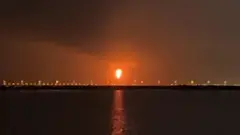
A devastating incident has sent shockwaves through the global energy community. At least 13 individuals have lost their lives, with dozens more sustaining injuries, following a significant gas explosion at Qatar's main liquefied natural gas (LNG) processing site.
This tragedy, occurring in the critical industrial hub of Ras Laffan, raises urgent questions about industrial safety, the inherent risks associated with LNG operations, and the preparedness of major energy producers. Azeem USA delves into the details of this horrific event and its broader implications.
📑 Table of Contents
1. The Tragic Incident at Ras Laffan
Reports indicate that the explosion occurred at Qatar's primary liquified natural gas (LNG) processing facility, located in the Ras Laffan Industrial City. This area is a cornerstone of Qatar's immense natural gas production and export capabilities, making any disruption here a matter of significant concern. The precise nature of the 'technical accident' that led to the blast is still under investigation, but the immediate outcome was catastrophic, resulting in the loss of 13 lives and numerous injuries.
Emergency services were swiftly deployed to the scene, working under challenging conditions to manage the aftermath and provide aid to the injured. The scale of the casualties underscores the severity of the explosion and the potential volatility of the materials involved. The incident serves as a grim reminder of the inherent dangers present in large-scale industrial operations, particularly those dealing with highly flammable substances like LNG.
Initial Reports and Casualties
Early accounts from the site confirmed the tragic death toll and the significant number of wounded. The focus immediately shifted to rescue operations and ensuring the safety of other personnel in the vicinity. The proximity of such an incident to critical infrastructure highlights the complex safety protocols that must be rigorously maintained.
2. Understanding Liquefied Natural Gas (LNG) and Its Risks
Liquefied Natural Gas (LNG) is natural gas that has been cooled down to liquid form for transport and storage. This process involves chilling the gas to approximately -162 degrees Celsius (-260 degrees Fahrenheit), which reduces its volume significantly, making it more economical to ship. While LNG is a cleaner-burning fossil fuel compared to coal or oil and plays a vital role in global energy supply, its handling and processing are inherently hazardous.
The primary risks associated with LNG include extreme flammability, the potential for cryogenic burns from contact with the extremely cold liquid, and the possibility of rapid expansion if the liquid is exposed to warmer temperatures. Explosions can occur if flammable concentrations of gas are ignited. Safety measures in LNG facilities are therefore extraordinarily stringent, involving advanced containment systems, leak detection, fire suppression, and rigorous operational procedures to prevent any deviation from normal parameters.
The Safety Imperative in LNG Operations
The liquefaction and regasification processes, as well as the storage and transportation of LNG, all require meticulous attention to safety. Failures in any part of this chain, from equipment malfunction to human error, can have severe consequences. The Ras Laffan incident tragically illustrates the potential for such failures, even within facilities designed to manage high-risk materials.
3. Immediate Aftermath and Response Efforts
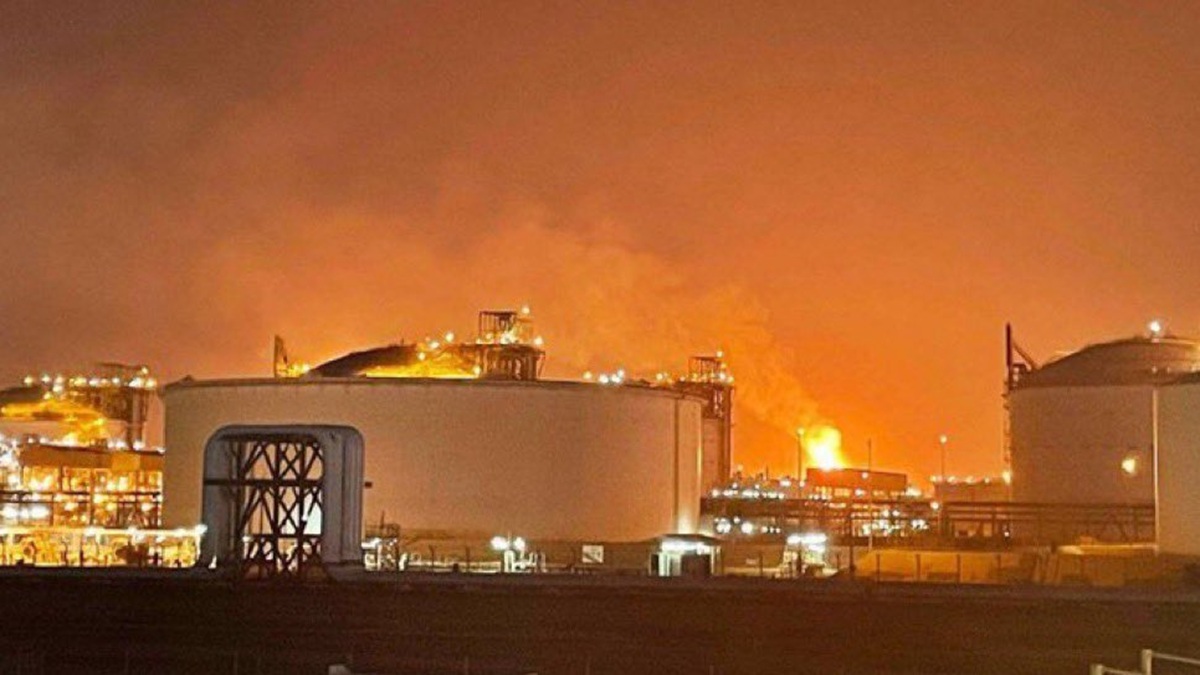
Following the explosion, the priority for Qatari authorities and the operating companies was immediate crisis management. This involved securing the affected area to prevent further incidents, extinguishing any remaining fires, and providing comprehensive medical care to those injured. Hospitals in the region were placed on high alert to receive casualties, many of whom sustained severe injuries requiring intensive treatment.
International cooperation and support were also likely sought or offered, as such major industrial accidents often necessitate specialized expertise. The swift and organized response is crucial not only for saving lives and mitigating immediate dangers but also for beginning the process of understanding what went wrong and preventing future occurrences. The psychological impact on the workforce and the wider community also becomes a significant factor in the recovery phase.
Evacuations and Containment
Information regarding potential evacuations from surrounding areas or specific containment measures to prevent the spread of hazardous materials would be critical in the initial hours and days post-incident. The goal is always to ensure the safety of personnel and the surrounding environment while stabilizing the situation at the plant.
4. Investigating the Cause: Technical Accident or Negligence?
The official designation of the event as a 'technical accident' suggests an investigation will focus on equipment failure, process anomalies, or system malfunctions. However, such investigations rarely conclude without examining whether human factors or lapses in safety protocols contributed to the event. Understanding the root cause is paramount for implementing effective corrective actions.
Investigators will likely scrutinize maintenance records, operational logs, safety audits, and the training of personnel. The complexity of LNG processing means that multiple factors can converge to create a dangerous situation. A thorough and transparent investigation is essential not only for accountability but also to restore confidence in the safety standards of Qatar's vital energy infrastructure. The findings will be crucial for revising and strengthening safety regulations across the industry.
Learning from Failure
Every industrial accident, however tragic, offers lessons. The goal of the investigation must be to extract these lessons and translate them into tangible improvements in safety procedures, technology, and oversight. This proactive approach is the only way to honor the victims and prevent similar tragedies from occurring elsewhere.
5. Implications for Qatar's Energy Sector and Global Markets
Qatar is one of the world's largest exporters of LNG, playing a pivotal role in meeting global energy demand, particularly in Asia and Europe. Any disruption to its production or export capacity, even a temporary one, can have ripple effects on international energy prices and supply stability. The Ras Laffan incident, while primarily a human tragedy, inevitably raises concerns about the reliability of supply from this key producer.
Furthermore, the incident could prompt a global re-evaluation of safety standards and investment in risk mitigation within the LNG sector. Companies worldwide will likely review their own protocols, and regulators may tighten oversight. The long-term impact on Qatar's reputation as a secure and reliable energy partner will depend on the thoroughness of the investigation and the effectiveness of the subsequent safety enhancements implemented.
Economic and Geopolitical Considerations
The economic consequences could include potential delays in export schedules, increased insurance premiums for energy infrastructure, and heightened scrutiny from international buyers. Geopolitically, the incident underscores the delicate balance of global energy security and the vulnerabilities inherent in the infrastructure that supports it.
🔥 Stay informed about critical global events and safety measures with Azeem USA.
Conclusion
The devastating gas explosion in Qatar's Ras Laffan industrial zone is a stark reminder of the profound risks associated with the global energy industry. The loss of 13 lives and the injuries sustained by many more represent a significant human tragedy that will undoubtedly leave a lasting impact on the victims' families and the nation.
As investigations commence to uncover the precise cause of this 'technical accident,' the world watches, hoping for transparency and a renewed commitment to safety. This incident must serve as a catalyst for enhanced safety measures and rigorous oversight across the entire LNG sector, ensuring that the pursuit of energy security does not come at the unacceptable cost of human lives. The focus now must be on recovery, thorough investigation, and implementing robust preventative strategies for the future.
❓ FAQ
Where did the Qatar gas explosion occur?
The explosion occurred at Qatar's main liquified natural gas (LNG) processing site in the Ras Laffan Industrial City.
What was the cause of the explosion?
Initial reports describe it as a 'technical accident,' but a full investigation is underway to determine the exact cause.
How many people were killed or injured?
At least 13 people were killed, and dozens more were injured in the incident.
What are the risks associated with LNG?
LNG is highly flammable and cryogenic. Risks include explosions, cryogenic burns, and rapid expansion if containment is breached.
What are the potential implications of this incident?
The incident could impact global LNG supply and prices, and may lead to stricter safety regulations and reviews within the energy sector.


Comments
Post a Comment