Breaking: Trump Considers Joining Saudi Strikes After Riyadh Airport Hit 🚨 Breaking News Analysis 📸 Image Credit: yahoo.com By Azeem-USA · Sun Oct 11 2026 English (en-US) Riyadh's King Khalid International Airport was struck for a second consecutive day on Sunday, with a projectile hitting a passenger terminal. This latest attack follows a deadly missile strike on Saturday that killed 12 people and wounded hundreds, marking a significant escalation in the Yemen conflict. The renewed violence coincides with reports that former President Donald Trump is weighing the possibility of joining Saudi Arabia's military campaign, a move that could dramatically alter regional dynamics. This analysis will delve into the immediate aftermath of the airport attacks, explore the implications of Trump's potential involvement, provide context on the protracted Yemen war, examine the broader regional ramifications, and assess the likely next steps in t...

🚨 Hantavirus Outbreak 2026: What You MUST Know Before It Spreads
By Azeem-USA | Published on Azeem USA

Imagine embarking on a luxury cruise across the Atlantic Ocean, only to have the voyage turn into a medical nightmare. Right now, international health authorities are scrambling to contain a deadly hantavirus outbreak that has already claimed three lives on the MV Hondius cruise ship. But it’s not just happening at sea—cases are surging across the Americas, driven by climate events, forest fires, and displaced rodent populations.
The global hantavirus outbreak of 2026 has brought this terrifying zoonotic pathogen back into the spotlight. From high-fatality zones in Chile and Argentina to recent detections across the United States, understanding how this virus spreads is more critical than ever. In this post, we are breaking down everything you need to know about the current transmission dynamics, symptoms, and the crucial prevention steps you MUST take to protect your family.
Table of Contents
The MV Hondius Cruise Ship Outbreak Explained
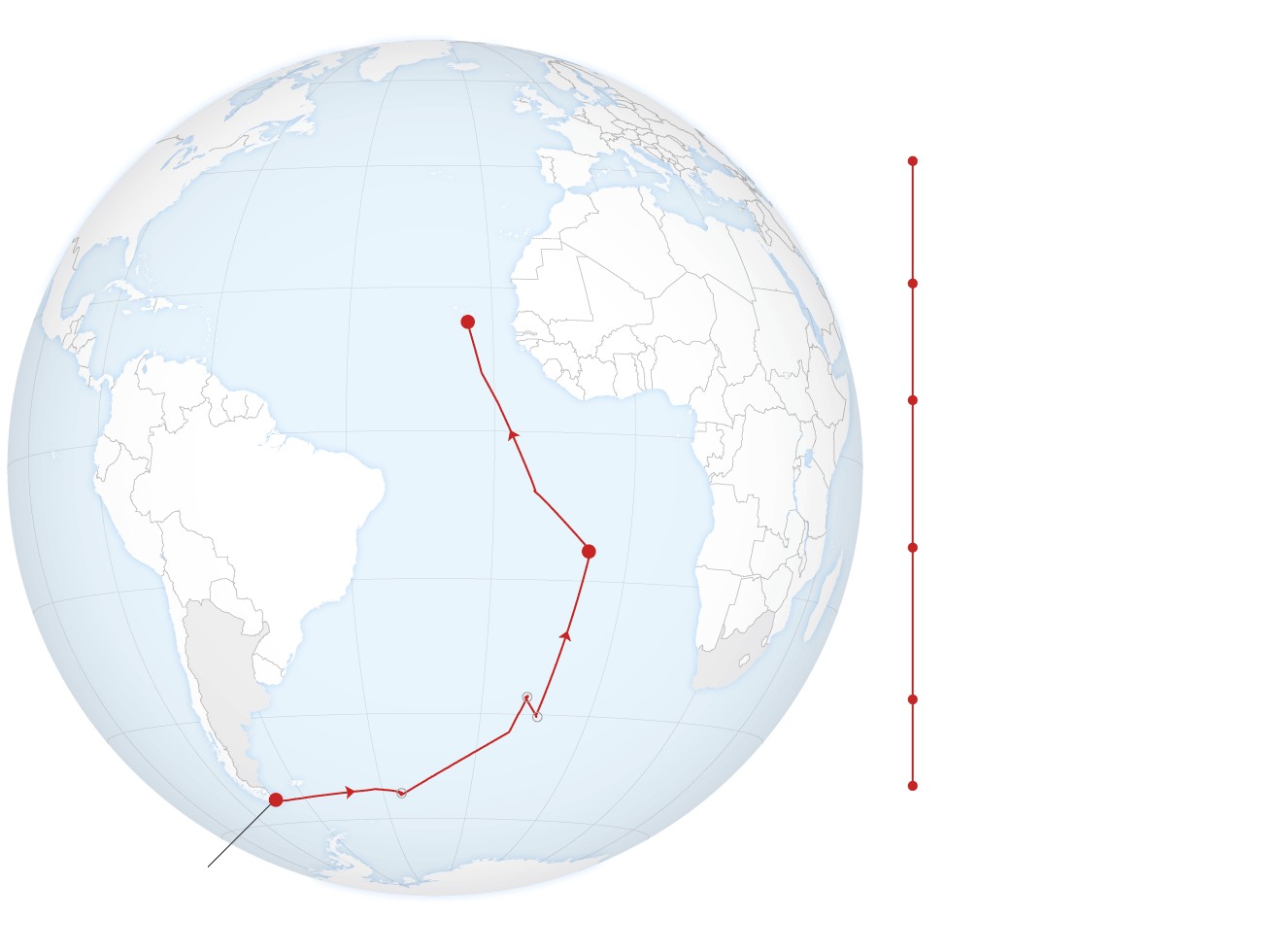
The world was shocked when the MV Hondius, a specialist polar cruise ship carrying around 150 passengers, became the center of a maritime medical crisis. The vessel departed from Ushuaia, Argentina, and approximately three weeks into its voyage across the Atlantic towards Cape Verde, passengers began falling severely ill. The World Health Organization (WHO) confirmed that the outbreak has resulted in three fatalities, including an elderly couple, while another 69-year-old British national had to be evacuated to South Africa and placed in intensive care.

What makes this specific cruise ship hantavirus outbreak so alarming to virologists is the potential mode of transmission. Typically, hantaviruses are contracted through environmental exposure to infected rodent droppings and do not spread from person to person. However, the ship departed from a region in South America where the Andes virus is endemic—the only hantavirus known to be capable of human-to-human transmission. The WHO and South African health officials have launched a detailed epidemiological investigation and viral sequencing to determine if this tragic cluster of infections is the result of secondary person-to-person spread in a closed environment.
The Global Surge: Argentina and Chile on Alert
While the maritime incident has grabbed global headlines, the situation on the ground in South America is equally dire. In Chile, the Ministry of Health reported a startling surge early in 2026, recording 14 confirmed hantavirus cases and six deaths by mid-February. This translates to a massive case fatality rate of 43%, substantially higher than the country's historical average. Experts believe this spike is directly linked to massive environmental disruptions; over 3,800 recent forest fires have destroyed the natural habitats of the long-tailed pygmy rice rat, forcing infected rodents to migrate into human-occupied rural areas and fire cleanup zones.
Neighboring Argentina is experiencing a similarly concerning shift in viral dynamics. While the virus historically concentrated in the Northwest and Southern regions, 2025 and early 2026 have seen a massive geographic shift toward the densely populated Central Region, particularly the Buenos Aires Province. Argentina recorded 77 confirmed cases and 23 deaths through late 2025, resulting in a lethality rate of nearly 30%. This geographic expansion into periurban areas presents a new set of challenges for healthcare systems that are less accustomed to diagnosing early stages of the disease, likely contributing to the elevated mortality rates observed.
United States Hantavirus Cases in 2026
The recent hantavirus outbreak isn't limited to South America. The United States has also been tracking cases, primarily in the western regions where the virus remains an endemic threat. Early in 2026, New Mexico—a state with a long history of hantavirus cases—reported its first human infection of the year in a man from Santa Fe County. This early detection aligns with the expected spring and summer seasonality, as residents begin spring cleaning and interact with enclosed spaces that rodents may have inhabited during the winter.

California has also seen significant public health alerts. San Diego County reported the country's first hantavirus-positive rodent detection of 2026, serving as a stark reminder that the pathogen is actively circulating. This comes on the heels of a highly publicized cluster of fatal workplace exposures in Mono County, California, last year, where three individuals, including a 26-year-old hotel employee, died from the virus. These events underline that occupational and recreational exposures in areas with high deer mouse populations require strict vigilance.
Hantavirus Outbreak Symptoms Explained
Hantavirus infections in the Americas generally lead to Hantavirus Pulmonary Syndrome (HPS). The disease attacks in stages, starting with a prodromal phase that lasts 3 to 5 days. During this initial window, patients typically experience non-specific, flu-like symptoms including fever, severe muscle aches, headaches, and gastrointestinal distress such as nausea and vomiting. Because these symptoms mirror many other common illnesses, early clinical recognition can be incredibly difficult, often leading to delayed medical intervention.
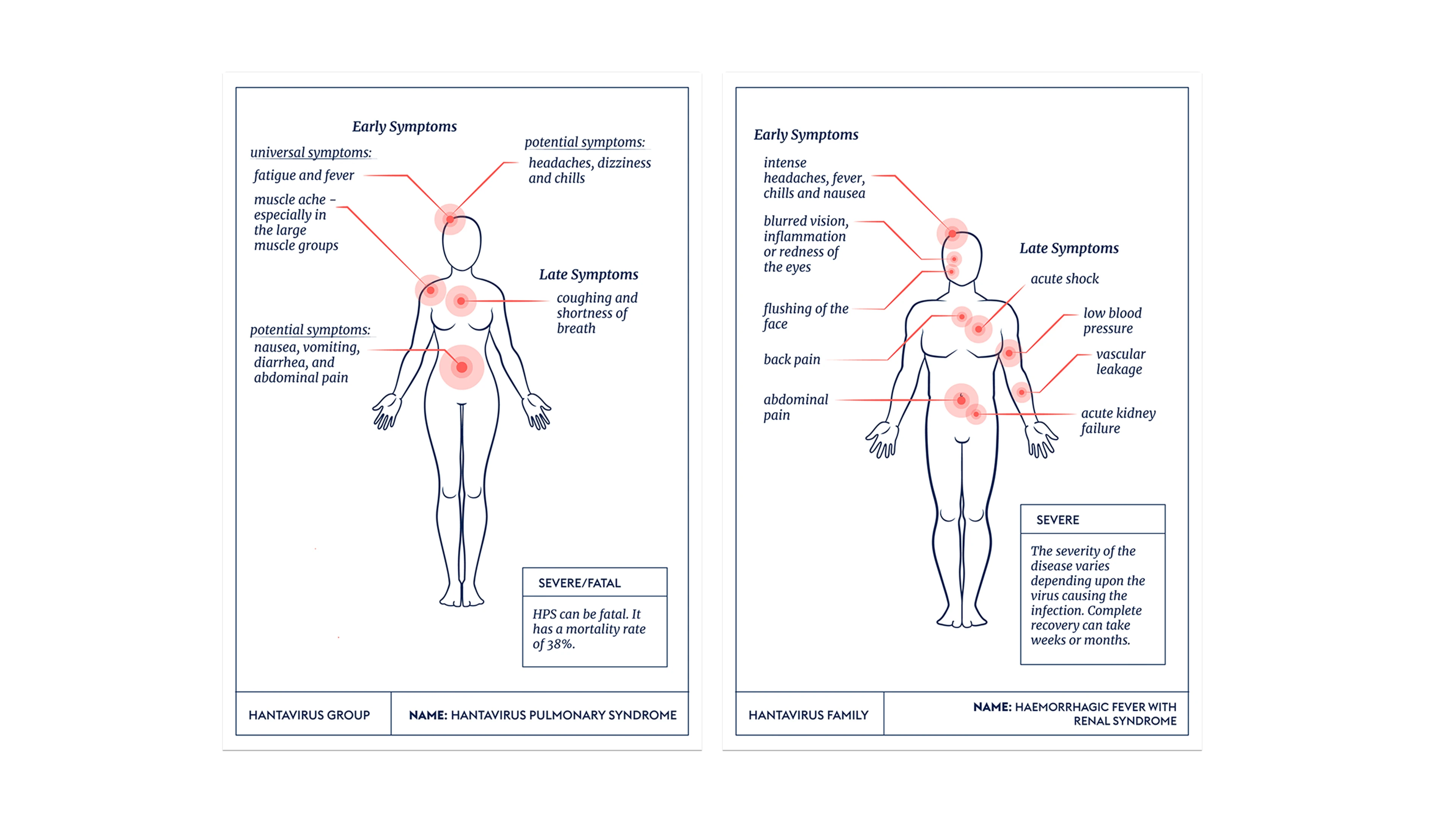
However, the disease's progression is terrifyingly rapid. Within days, patients enter the cardiopulmonary phase as the virus targets the microvascular endothelium—the lining of the blood vessels—causing them to become highly permeable and leak. Patients quickly develop acute respiratory distress syndrome (ARDS) as their lungs fill with fluid, leading to shock and cardiovascular collapse. With case fatality rates generally hovering around 35%, and occasionally spiking much higher depending on the viral strain, immediate transfer to intensive care units for mechanical ventilation or Extracorporeal Membrane Oxygenation (ECMO) is critical for survival.
Critical Hantavirus Outbreak Prevention Tips
Because there is currently no FDA-approved vaccine or specific antiviral cure for HPS, aggressive prevention strategies are your absolute best defense. Hantavirus is primarily contracted by inhaling aerosolized virus particles shed in the urine, feces, and saliva of infected rodents. If you are cleaning out a dusty garage, shed, or cabin that has been sealed up, never dry-sweep or vacuum rodent droppings. Doing so kicks the deadly particles directly into the air.
Instead, health experts mandate strict cleaning protocols. You should ventilate enclosed spaces for at least 30 minutes before entering. Always wear protective gear, including rubber gloves and an N95 respirator mask. Spray any rodent debris heavily with a 10% bleach solution, let it soak for several minutes to inactivate the virus, and carefully wipe it up with paper towels. Furthermore, proactively rodent-proofing your home by sealing cracks larger than a dime and storing food in airtight containers will significantly reduce the risk of a fatal encounter.
Frequently Asked Questions (FAQ)
Can hantavirus spread from person to person?
In most cases, including those involving the Sin Nombre virus in North America, hantavirus is only contracted through contact with infected rodent excretions. However, the Andes virus strain, found mainly in South America (Argentina and Chile), is unique in its documented ability to spread from person to person through close contact.
What is the fatality rate of the 2026 hantavirus outbreak?
The fatality rate varies significantly by location and the specific viral strain. In early 2026, Chile reported an alarming case fatality rate of 43%. In Argentina, lethality reached nearly 30% by the end of 2025. Historically, the US mortality rate for Hantavirus Pulmonary Syndrome is around 35%.
Is there a cure for Hantavirus Pulmonary Syndrome (HPS)?
Currently, there is no specific antiviral cure and no FDA-approved vaccine for HPS. Patient survival relies entirely on early clinical recognition and intensive supportive care, which often involves intubation, mechanical ventilation, or ECMO (Extracorporeal Membrane Oxygenation) therapy.
Comments
Post a Comment