A Knight of the Seven Kingdoms: The New Face of Westeros (HBO Guide)
Comprehensive Strategic Guide: A Knight of the Seven Kingdoms
The Pivot to Intimate Epicism
The premiere of A Knight of the Seven Kingdoms marks a fundamental structural evolution within the A Song of Ice and Fire ecosystem. While House of the Dragon often demands a "vegetable eating" level of commitment—navigating the dense, dynastic complexities of Targaryen exceptionalism—this new series pivots to the "bozo" charm of Ser Duncan the Tall. By trading global existential dread for a localized, character-driven narrative, HBO has successfully established an "intimate epicism" that prioritizes the heart over the hoard.
This tonal shift is a masterclass in mitigating franchise fatigue. In a 2026 media landscape saturated with high-stakes spectacle, the grounded story of a hedge knight recorded a staggering 6.7 million viewers during its premiere weekend, outperforming contemporary competitors like The Pitt by an average of 1 million viewers per episode. This guide provides a strategic deep dive into the Ashford Meadow post-mortem, the brutal physical costs of Season 1’s climax, and the expansive 12-story roadmap that secures the show's future through 2027 and beyond.
Strategic Roadmap
- I. The Ashford Meadow Post-Mortem
- II. Judicial Combat: Evaluating the "Trial of Seven"
- III. Subverting Status: The Dynamic Duo of Dunk and Egg
- IV. Industrial Efficiency & Production Realities
- V. The 12-Season Vision: George R.R. Martin’s Roadmap
- VI. The Path to Dorne: 2027 Season 2 Outlook
- VII. Conclusion: Saving the Game of Thrones Universe
The Ashford Meadow Post-Mortem
The Ashford Meadow tournament provided the perfect structural anchor for a concise, six-episode inaugural season. Unlike the sprawling, multi-continental narratives that defined the flagship series, the localized focus on a single event allowed for a faithful, high-fidelity adaptation of The Hedge Knight. This efficiency ensured that every minute of the 30-to-42-minute episodes was maximized for character growth, eschewing the divergent subplots that often plague high-fantasy transitions from page to screen.
Judicial Combat: Evaluating the "Trial of Seven"
In Episode 5, "In the Name of the Mother," the series reached its moral and physical nadir with the "Trial of Seven." This form of judicial combat served as a visceral reminder of the brutal physical cost inherent in Westerosi justice. The choreography utilized "squelchy closeup" violence to emphasize the messy, desperate reality of Dunk’s struggle, often captured from his harrowing, ground-level point of view. This was not the sanitized, heroic combat of a standard knightly tale; it was a desperate scrap for survival that demanded a heavy moral toll.
The climax—the tragic death of Prince Baelor Targaryen—resonated precisely because the series took the time to humanize the nobility. Baelor’s end was not just a plot point, but a condemnation of the rigid systems he sought to uphold. Dunk’s reaction, mourning yet another lost friend, elevates the show from a simple adventure to a poignant study of loss and duty in a world where "honor" is frequently a death sentence.
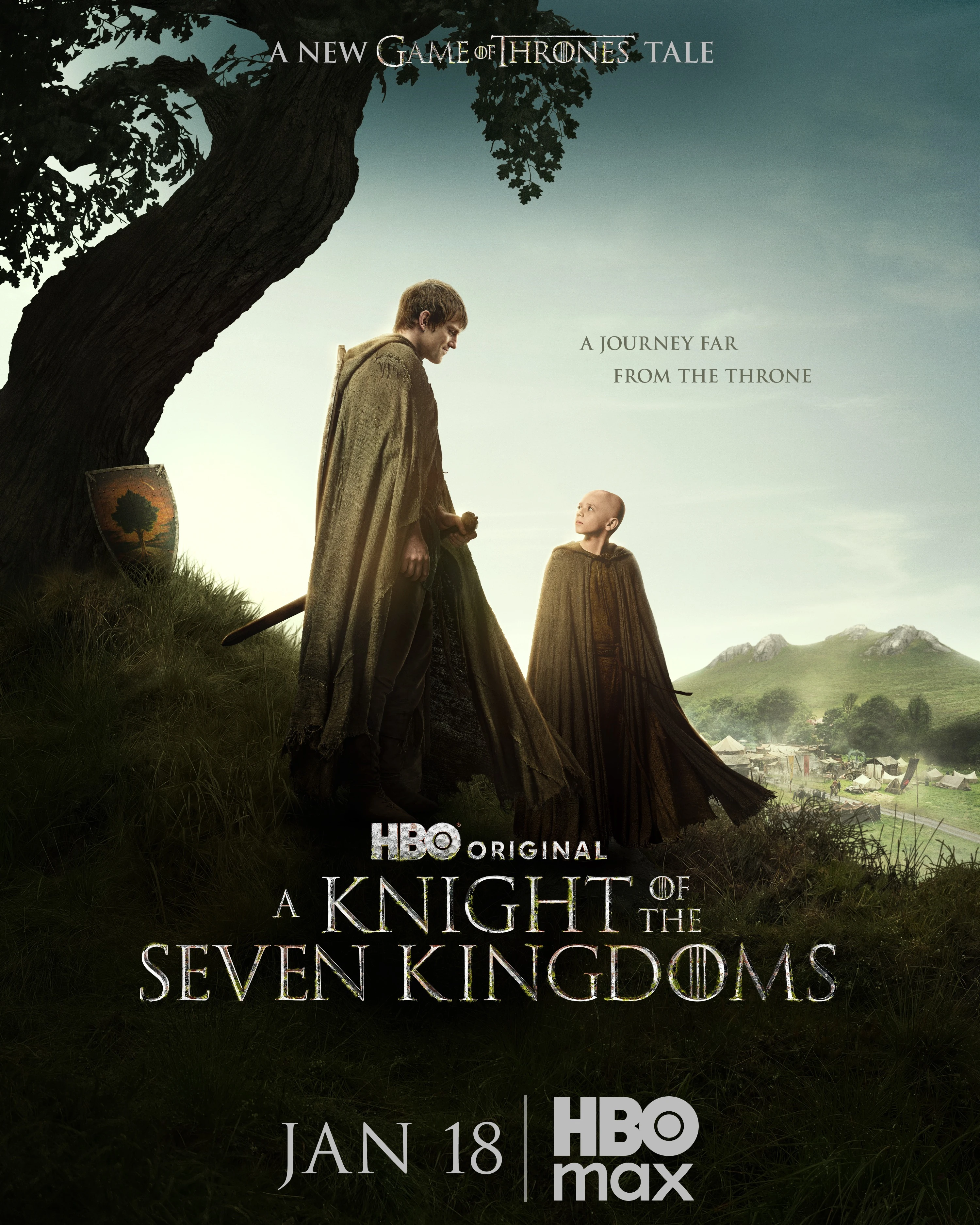
Subverting Status: The Dynamic Duo of Dunk and Egg
The heart of the series lies in the chemistry between Peter Claffey (Dunk) and Dexter Sol Ansell (Egg). Claffey portrays Dunk as a lovable underdog whose lack of noble cynicism makes him an accessible proxy for the viewer. However, the "So What?" of their relationship lies in the subversion of status. Through the Episode 5 flashback to Dunk’s Fleabottom origins—where he witnessed the death of his friend Rafe at the hands of the City Watchman Alester—we see the foundation of his empathy for the smallfolk.
This commoner's perspective is the true education of Egg. Dunk teaches the hidden prince that honor is a choice, not a birthright inherited via Targaryen exceptionalism. This arc is critical: Egg is destined to become King Aegon V, the "Unlikely" ruler who would famously champion the smallfolk. By experiencing the world through the eyes of a "bozo" hedge knight, Egg gains a pragmatic perspective on ruling that no Iron Throne predecessor ever possessed.
Industrial Efficiency & Production Realities
The shift toward shorter runtimes and 6-episode seasons is an industrial response to a changing viewership landscape. By maintaining a propulsive plot and avoiding narrative "filler," A Knight of the Seven Kingdoms has managed to capture a massive audience while keeping production costs manageable. This structural efficiency is what allowed Season 1 to conclude on a high note, with "The Morrow" serving as a reflective, dark-humored coda to the violence of the tournament.
The 12-Season Vision: George R.R. Martin’s Roadmap
Showrunner Ira Parker has revealed that George R.R. Martin shared 12 outlined stories that explore the duo's lives well beyond the published novellas. This provides the creative team with a "greater roadmap" than the original Game of Thrones creators ever had. Parker has even joked about a potential "12-season" vision: four seasons following Egg as a boy, four as a prince, and four as a king. These outlines, some only a paragraph long, establish the canonical "major beats," ensuring the series avoids the narrative detours that hindered the franchise’s past.
The Path to Dorne: 2027 Season 2 Outlook
Season 2, confirmed for a 2027 return, will adapt The Sworn Sword. The finale of Season 1 hinted at a southern journey toward Dorne, but the immediate challenge lies in the Reach. Production is already grappling with the logistical hurdles of filming a devastating drought in Northern Ireland. Showrunner Ira Parker noted the difficulty of finding "sunny locations with no water" near the traditional Belfast hubs, suggesting that Season 2 may require a significant move to sunnier, more arid locations to maintain its commitment to grounded realism.
Conclusion: Saving the Game of Thrones Universe
A Knight of the Seven Kingdoms has effectively secured the "preferred future" for HBO’s flagship franchise. By proving that Westeros does not require dragons or global wars to maintain cultural dominance, the series has saved the universe from the weight of its own spectacle. Its success lies in its simplicity, its heart, and its unwavering commitment to the human stories that populate the periphery of the Iron Throne.
Author: Azeem-USA
Frequently Asked Questions
Is there a Season 2?
Yes. Season 2 has been greenlit and is slated for a 2027 premiere. It will adapt the novella "The Sworn Sword," taking Dunk and Egg into a landscape plagued by drought and local noble conflict.
Are there dragons in this series?
No. The series is set during a "middle history" where dragons have passed from living memory. The focus remains on knights, squires, and the political tensions of the Targaryen dynasty.
How many episodes are in Season 1?
Season 1 consists of 6 episodes. The finale, titled "The Morrow," aired on February 22, 2026.


Comments
Post a Comment